Opinion · Science
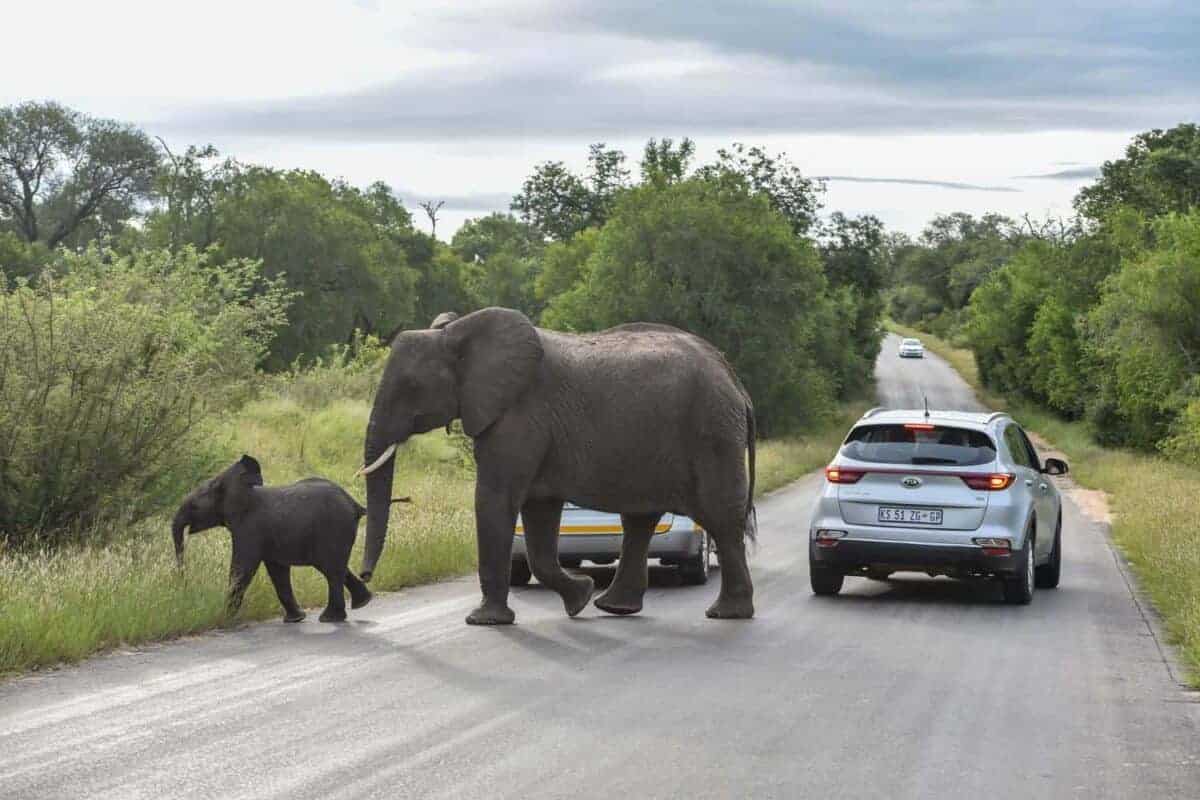
Beyond wildlife: The human history hidden in SA’s national parks
Archaeological sites, sacred places and rock art reveal a rich human history within some of the country's best-known wildlife destinations.
What's breaking now, across hundreds of outlets.
Opinion · Science
Archaeological sites, sacred places and rock art reveal a rich human history within some of the country's best-known wildlife destinations.
Research into bird collisions with offshore wind turbines has taken an important step forward. A yearlong pilot study at an offshore wind turbine has shown that thermal cameras and artificial intelligence can be used to directly observe potential collisions at sea.
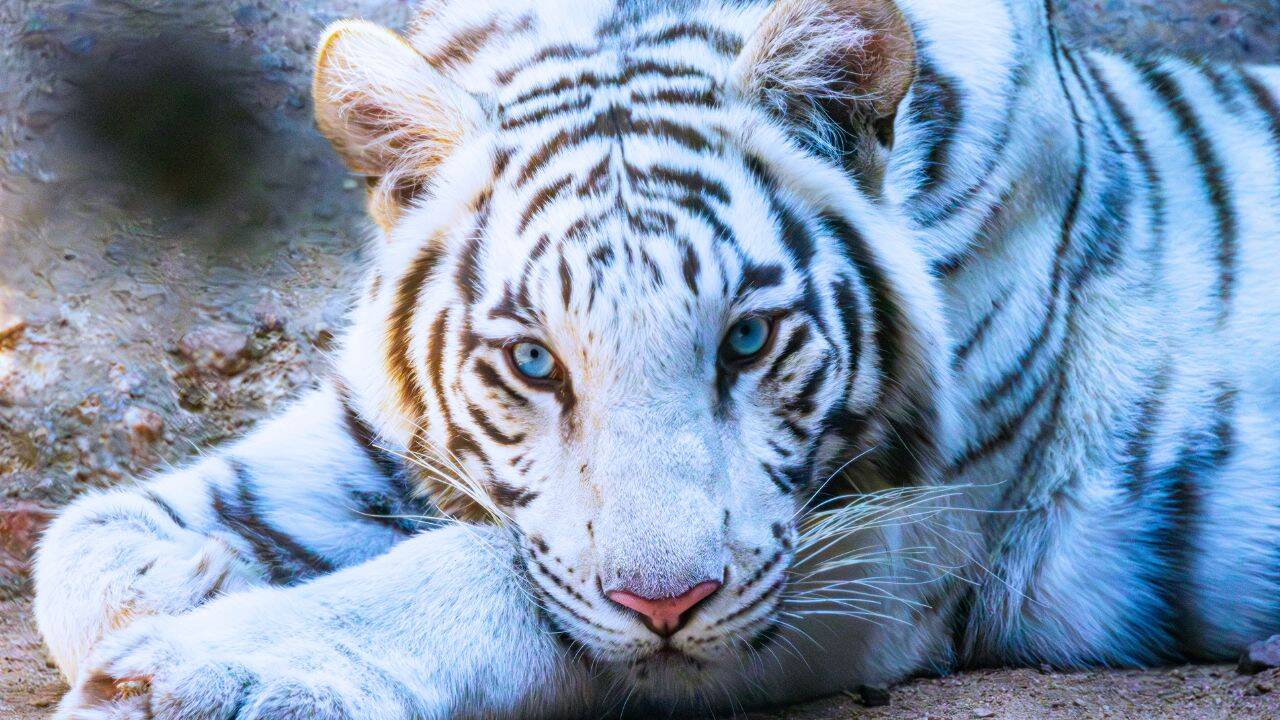
Dehradun Zoo has announced the arrival of Tejas, a magnificent white tiger from Gwalior Zoo. To ensure his well-being, Tejas will undergo a 20-day quarantine for careful observation.
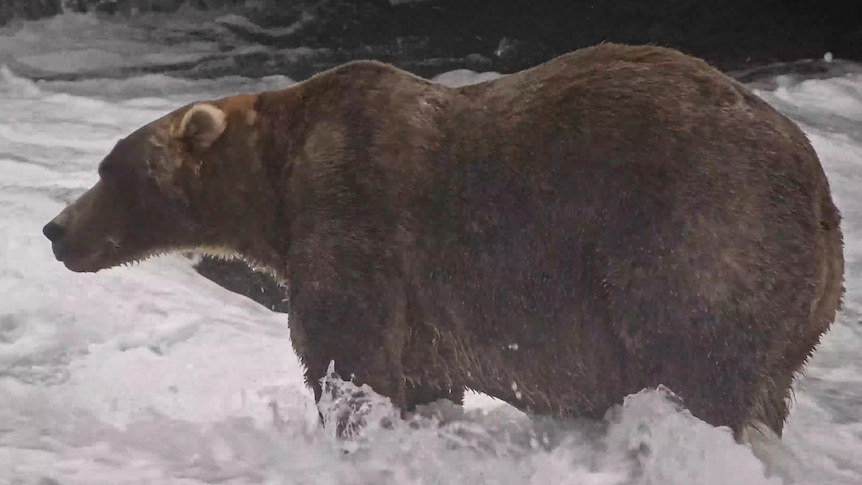
Each year, people around the world vote for their favourite bear in Alaska's Katmai National Park as the fuzzy fellows bulk up for winter hibernation.
A 12.2-meter-tall, 6.4-ton vehicle that launches vertically and returns to land at a designated site is bringing the dream of a “Korean SpaceX” closer to reality.
The chief of South Korea's space agency said…
Planetary scientists from Freie Universität Berlin have published two new studies that indicate that a spacecraft could identify evidence of life much more easily than previously thought.
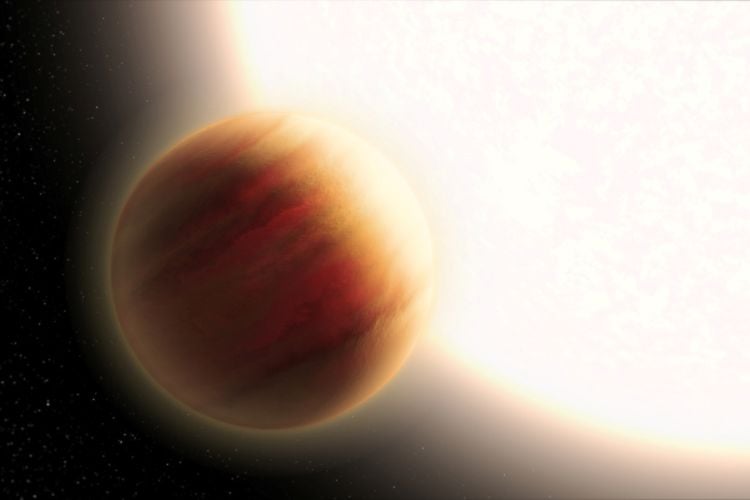
Since their first discovery in 1995, hot Jupiter exoplanets (hot Jupiters, for short) quickly challenged our understanding of exoplanet formation and evolution, including exoplanetary system architecture. This is because, as their name implies, they orbit at extremely close distances to their host stars, ranging from a few days to a few…
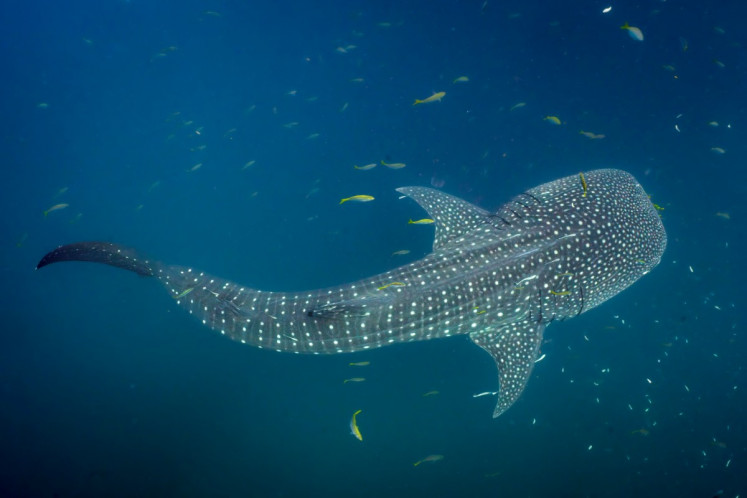
A 2025 study by the Elasmobranch Institute Indonesia and Konservasi Indonesia found a sharp increase in reported whale shark strandings in Indonesia, from about four cases a year before 2020 to 22 a year afterward.
Dragon’s Breath Cave, located in Namibia, is home to the planet’s largest underground lake. Discovered by Roger Ellis in 1986, this unique geological formation showcases rare aquatic species.
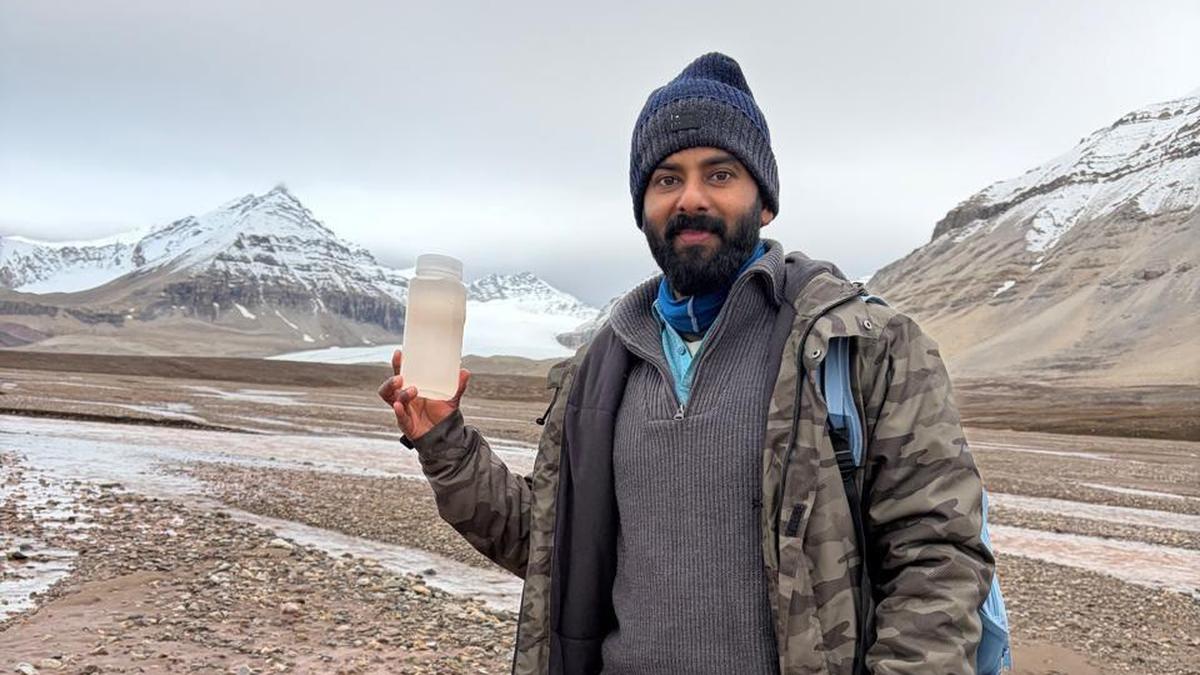
GITAM researcher Manoj Panayamthatta Rayaroth collected fjord water and glacier meltwater in Svalbard as part of the Indian Arctic Expedition 2026-27 to study how organic pollutants transform in ice…
"Exercise is medicine" is a commonly quoted phrase. But as is so often the case with medications, more is not always better. What counts as too much exercise, and how can it affect the heart?
The tool can help communities better understand their local conditions and prepare for bushfires early.
Birds are not only beautiful to look at and listen to; they also play important roles in nature. They eat pests and disperse seeds. They are generally considered indicators of a healthy environment.
Nature, Published online: 30 September 2026; doi:10.1038/d41586-026-03138-4 Scientists are trying to help coral reefs survive record ocean temperatures.
Early-life adversity is associated with highly variable developmental outcomes, but identifying sources of this heterogeneity is difficult because variation in outcome is typically accompanied by…
Adverse childhood experiences like social isolation (SI) contribute to long term negative health outcomes and the development of severe psychiatric disorder.
Prader-Willi syndrome (PWS) is a neurodevelopmental disorder characterized by hypothalamic dysfunction, developmental delay, hyperphagia, and cognitive impairment, yet the cellular mechanisms…
The voltage- and pH-gated Slo3 potassium channel is exclusively expressed in mammalian spermatozoa. Its sensitivity to both voltage and alkalization plays a crucial role in sperm fertility, which is…
Whole-brain simulations are a valuable tool for gaining insight into the multiscale processes that regulate brain activity.
Learning and memory are essential components of our individuality. While it is established that behaviour can vary across genetically identical individuals, it remains unknown how much of this…
A Colombian engineering project is testing whether an invasive plant that threatens high-Andean ecosystems can be turned into fuel after environmental authorities remove it from the landscape.
The Universe has been making fewer stars lately and astronomers want to know why. The obvious answer is: there hasn't been enough starbirth material. But, is that true? Is some other process at play? An international team led by researcher Hong Guo of the Chinese Academy of Sciences decided to dig into the reasons why it looks like…
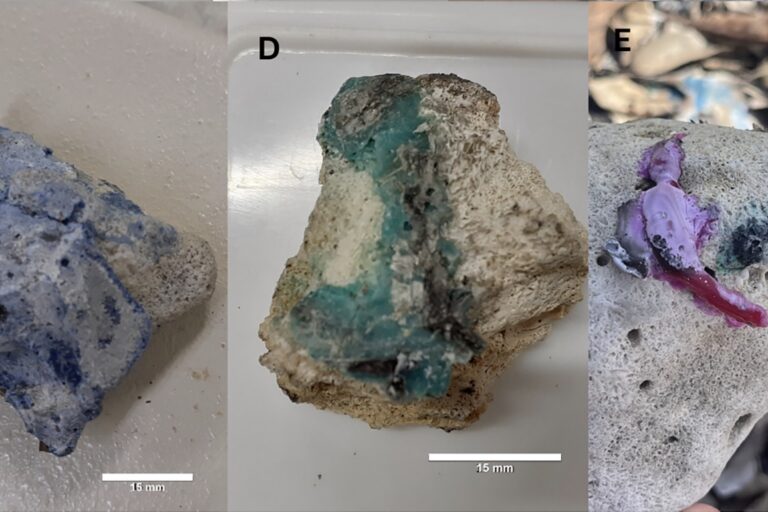
From the seafloor to turtle stomachs, scientists are finding plastic everywhere they look for it. Now, researchers in Japan have found plastic thermally adhered to coral rubble, an amalgamation they’ve termed “plasticoral,” according to a new study.
If all the ice in the Wilkes Subglacial Basin melted, it would raise global sea levels 3 to 4 metres. It happened before – at temperatures we’re heading towards
Learn more about what caused the decades-old spy satellite to break apart and why its debris could pose a threat to other spacecraft in crowded low Earth orbit.
Learn about Norellraptor barsboldi , a dinosaur species found in China that is providing new information on how dinosaurs and birds started to fly.
Meriwether Lewis died in October 1809. Most researchers claim that he took his own life, but some debate that he could have been murdered.
Antibiotic resistance is supercharging dangerous gut bacteria to withstand even hospital-grade disinfectants intended to kill them.
A recent study found that both high-salt and severely low-salt diets impair memory in mice. While high salt triggers inflammation, extreme salt restriction starves the gut microbiome of metabolic byproducts needed for optimal brain function.
Researchers at Mass General Brigham have found that moderate-intensity exercise alters circulating extracellular vesicles in ways that promote cartilage health and tissue resilience, identifying…
Uncovering the paradox behind the shift from fast to slow twitch muscle fibers
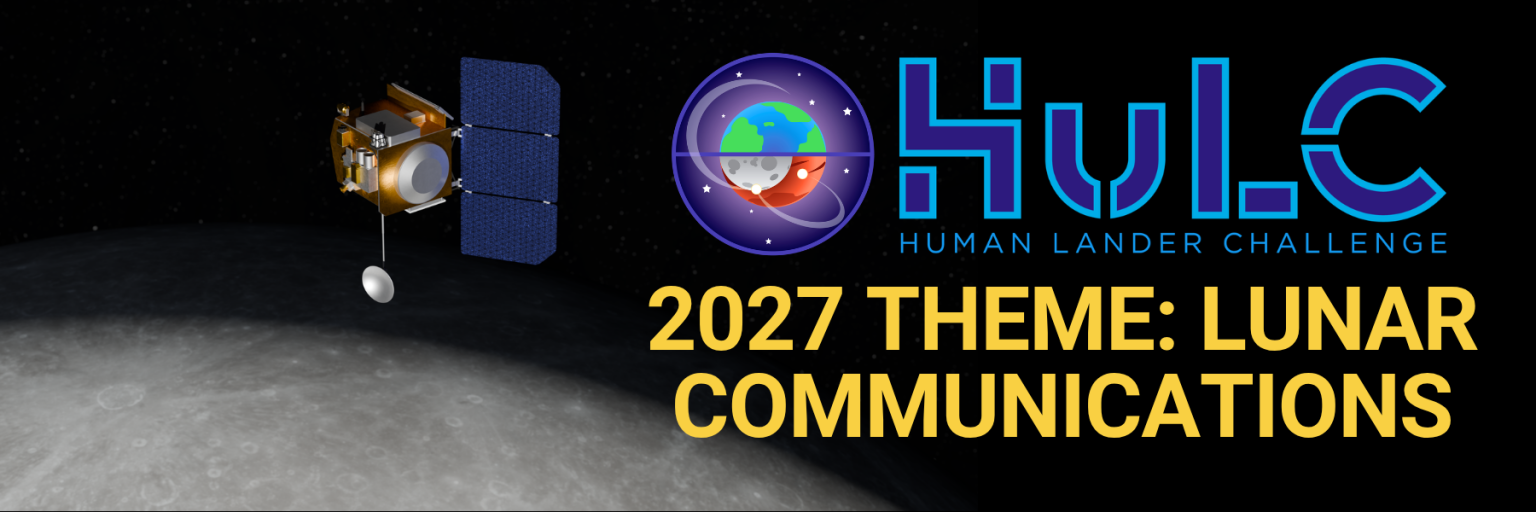
NASA’s 2027 Human Lander Challenge is seeking ideas from college and university students to help address one of the most critical needs for sustained lunar exploration: reliable communications.
A cup of coffee became a gateway to the world of scientific research at the National Museum of Qatar (NMoQ) on Monday, as young people met scientists and explored career pathways through the first…
NASA has awarded a contract to Omitron Inc. for the acquisition of orbital safety analysis services, which provide for critical protection of NASA spaceflight assets and astronaut lives.
NASA will participate in the 77th International Astronautical Congress (IAC) in Antalya, Türkiye, from Monday, Oct. 5, to Friday, Oct. 9, highlighting America’s leadership in human exploration to the…
Rocket Lab’s out-of-the-blue protest against NASA’s commissioning Blue Origin to develop the Mars Telecommunications Network could torpedo the 2028 launch of the orbiter.
J-PAL North America’s Learning Lab supported a second cohort of U.S. government and nonprofit organizations in building and using rigorous evidence to advance effective decarbonization and adaptation…
Starship’s heat shield is made of up of an array of ceramic tiles. Each is a small component, but together they have large consequences.
Our team from NASA Goddard Space Flight Center’s Biospheric Sciences Laboratory is working to improve how satellites monitor plant health.
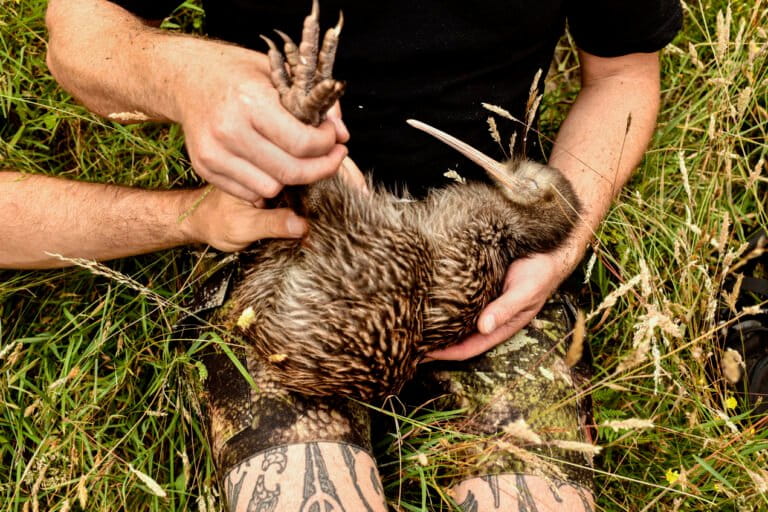
For the first time in 150 years, kiwi once again live in the hills surrounding Wellington, Aotearoa New Zealand. More than 250 manu (“birds” in the Māori language) were successfully translocated back…
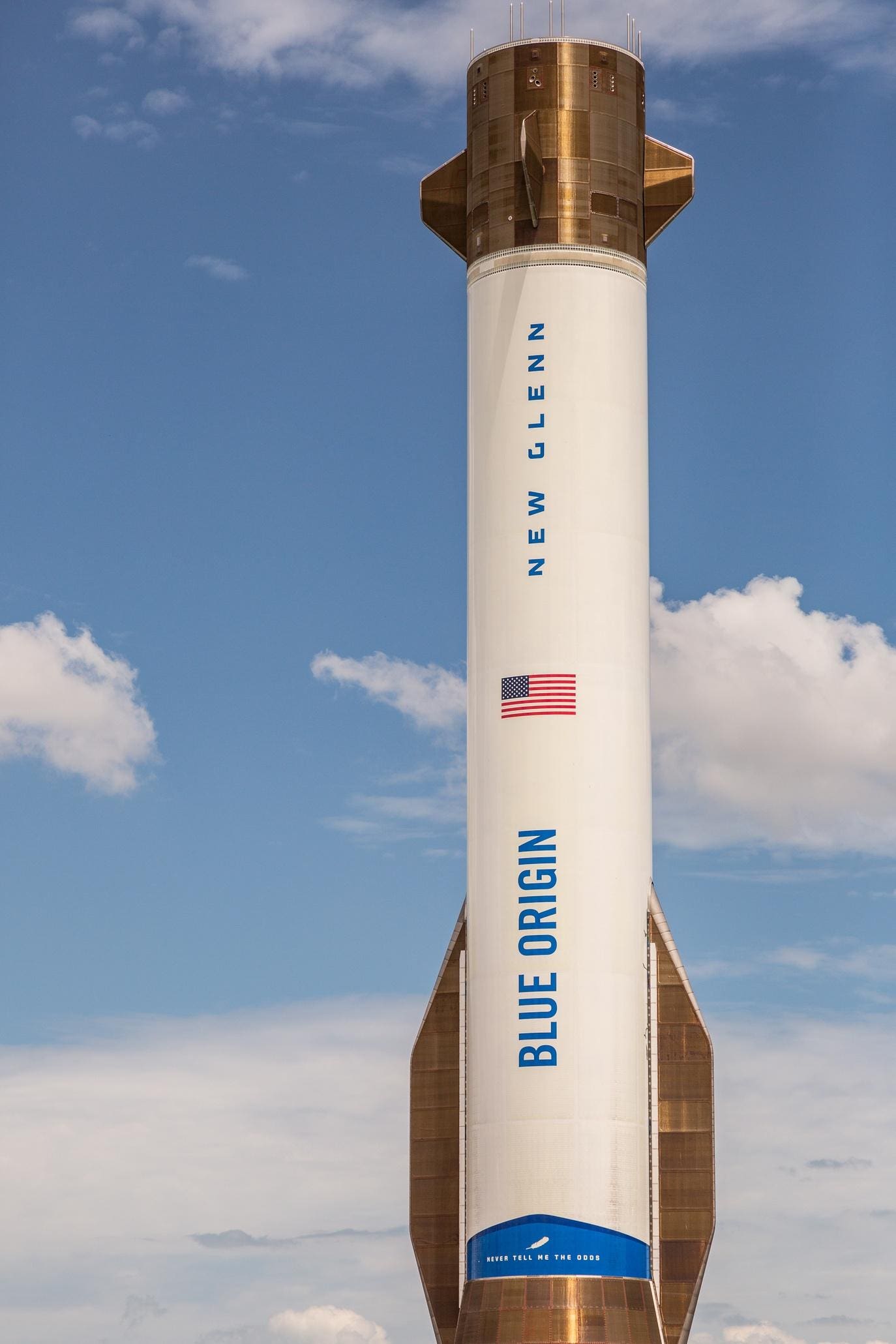
In accordance with a contract on-ramp clause, NASA has added Blue Origin’s New Glenn 9×4 launch service to the NASA Launch Services (NLS) II contract.
Ribose molecules came to Earth in meteorites and eventually became key parts of RNA. But how they survived in between has been a mystery.
Massachusetts Institute of Technology engineers developed a robot powered by living muscle cells that move in response to flashes of light.
At Old Town, ancient mounds, graves, and tree rings tell the story of a changing environment altering human civilization - one we can learn from today.
"It's a wave unlike the ones you're used to at the beach."
For decades, the global outlook for food and agriculture has brought heightened concerns as climate patterns create a mix of droughts and floods across the world. Consequently, fears of diminishing crop yields and livestock shortages have dominated the headlines.