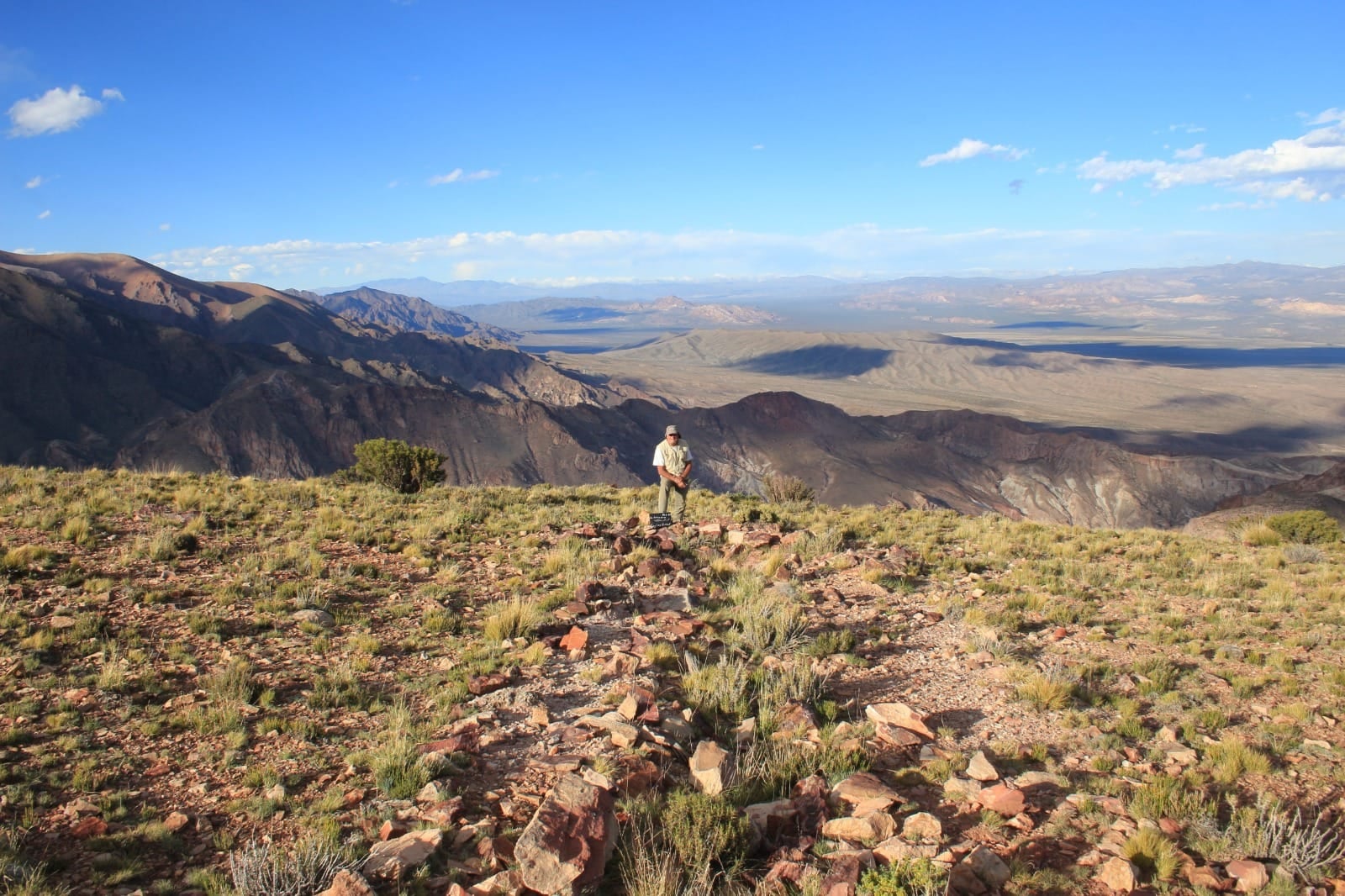
Beyond wildlife: The human history hidden in SA’s national parks
Archaeological sites, sacred places and rock art reveal a rich human history within some of the country's best-known wildlife destinations.
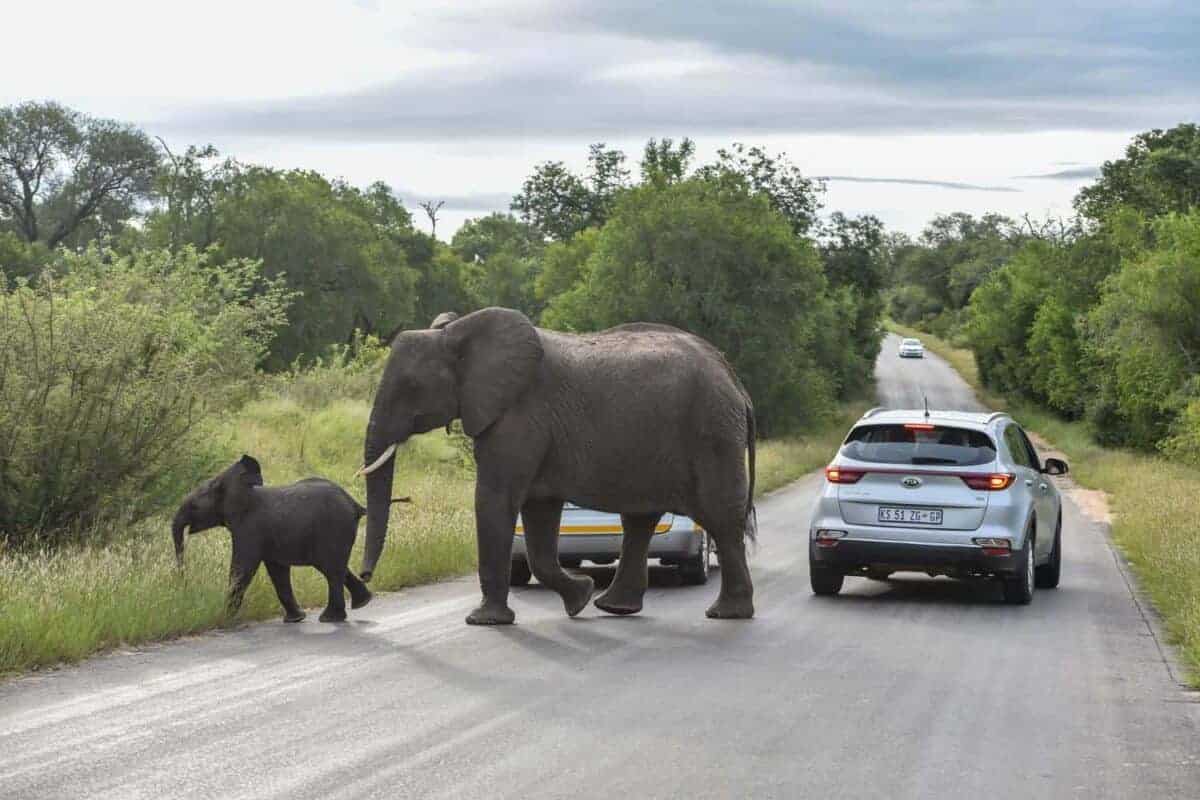
South Africa’s national parks are not just a haven for wildlife, but also repositories of rich human history that extends thousands of years into the past. When most people picture SANParks, images of elephants, lions, and rhinos come to mind. However, there is much more to these parks than meets the eye.
Embedded within the landscapes of SANParks are ancient footprints, archaeological finds, sacred sites, rock art, graves, battlefields, and cultural traditions that provide a glimpse into the lives of those who lived, traveled, traded, worshipped, hunted, and shared knowledge in these very locations. These stories are as much a part of South Africa’s heritage as the natural wonders on display.
As custodians of over four million hectares of protected land across 21 national parks, SANParks’ role now extends beyond biodiversity conservation. It also includes preserving memory, identity, and cultural continuity. This perspective is evident in various parks across the country.
For instance, deep within Kruger National Park, the ancient stone citadel of Thulamela offers a window into the sophistication of pre-colonial African societies. This late Iron Age settlement was home to skilled goldsmiths who traded with the Far East centuries before Europeans arrived. By collaborating with local community elders, conservation efforts are undertaken to restore these sacred dry-stone walls, ensuring that both ecological integrity and cultural heritage are protected.
On the southern coast, Agulhas National Park showcases another side of South Africa’s history. Here, alongside the haunting remnants of colonial-era shipwrecks, lie ancient stone fish traps from thousands of years ago, crafted by the indigenous Khoikhoi. Such sites highlight the deep historical roots of the region.
Even Addo Elephant National Park, well-known for its efforts to save elephants, also protects Alexandria Dunefield, where the archaeological middens of nomadic Strandloper people can be found. Mapping ancient trade and travel routes across the continent, including those that intersect with the park’s rock art sites in the Zuurberg mountains, underscores the interconnectedness of human history and conservation efforts.
Recognizing that nature and culture are intertwined, SANParks views cultural heritage as a vital component of conservation. By protecting cultural sites, documenting stories, and preserving traditions, future generations will not only inherit healthy ecosystems but also the wisdom, identity, and knowledge that link them to their past.
In an increasingly globalized world where younger generations may feel disconnected from their roots, these cultural sites serve as vital links to the past. SANParks actively works with communities, traditional leaders, heritage practitioners, researchers, and partners to identify, document, and manage these cultural resources, alongside the natural ones they inhabit.
Visiting a national park becomes more than just a wildlife viewing experience. It transforms into an opportunity to explore a rich tapestry of history, fostering a deeper appreciation for South Africa’s layered historical significance on the world stage. Under SANParks’ stewardship, these parks are more than natural destinations; they are guardians of identity, memory, and belonging, safeguarding both our natural and cultural heritages for generations to come.
Written by urgent.news from The Citizen's reporting — not their text. Machine-written — may contain errors; check the original before relying on it.