Aging Muscle Has a Hidden Molecular Switch
Uncovering the paradox behind the shift from fast to slow twitch muscle fibers The post Aging Muscle Has a Hidden Molecular Switch appeared first on Nautilus .
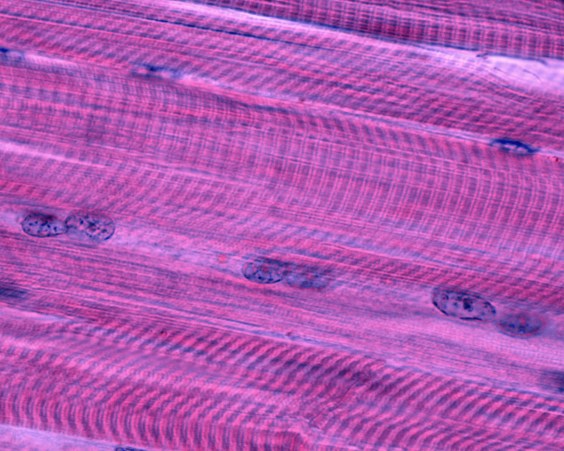
A recent study published in Nature Aging has uncovered a hidden molecular switch that explains why aging muscles predominantly shift from fast twitch to slow twitch fibers. Fast twitch fibers, which primarily use simple carbohydrates for fuel, are utilized for quick motions such as sprinting and jumping. Conversely, slow twitch fibers, packed with mitochondria, are responsible for endurance activities like jogging and maintaining posture.
As individuals age, there is a notable shift from fast twitch to slow twitch muscle fibers, which contrasts with the decline in mitochondrial function. To explore this paradox, researchers investigated a molecule called cardiolipin, which is exclusively present in the mitochondria's inner membrane and plays a crucial role in maintaining its folded structure.
Cardiolipin levels naturally decline with age, a phenomenon that also occurs in mice. When researchers artificially reduced cardiolipin levels in young rodents, they observed the same shift from fast to slow twitch fibers seen in aging muscles. This decline in cardiolipin appears to be the underlying cause of this twitch switch.
The study, led by Fabian Finger of the University of Copenhagen, suggests that cardiolipin-depleted mitochondria generate more reactive oxygen species (ROS), damaging cellular components. Antioxidants were found to mitigate these ROS, thereby slowing the shift toward slow twitch fibers. However, this intervention backfired, as the treated mice exhibited worse muscle performance.
The research also identified ERRγ (estrogen-related receptor gamma) as a key mediator in this process. ERRγ is a nuclear receptor that, upon receiving signals from ROS, triggers muscle cells to transition to slow twitch fibers. When ERRγ was absent in cultured muscle cells, the switch did not occur. The findings in mouse models could potentially pave the way for therapeutic strategies in humans.
Researchers believe that even modestly restoring cardiolipin levels in aging muscles or targeting ERRγ could promote healthy adaptations and counteract age-related muscle weakness.
Written by urgent.news from Nautilus's reporting — not their text. Machine-written — may contain errors; check the original before relying on it.