Uganda pastoralists turn to wild plants as food shortages bite, study finds
For decades, the global outlook for food and agriculture has brought heightened concerns as climate patterns create a mix of droughts and floods across the world. Consequently, fears of diminishing crop yields and livestock shortages have dominated the headlines. Amid the ensuing food security crisis, scientists are wondering if communities can turn toward local plant […]
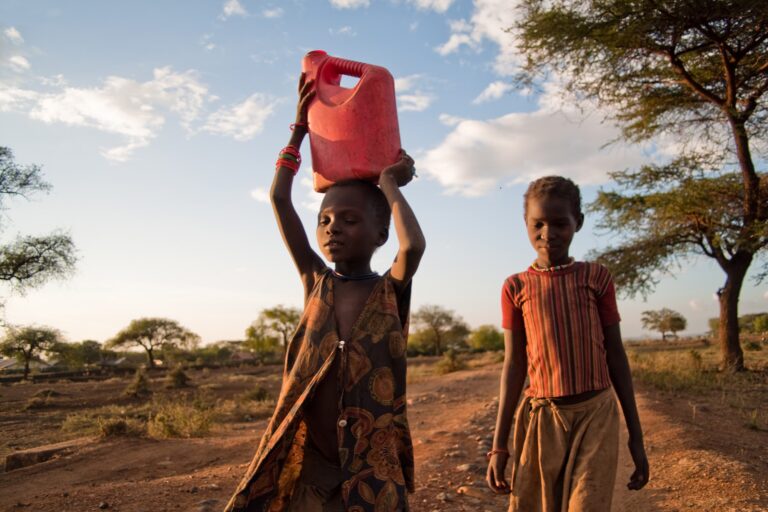
For decades, food and agriculture experts have been grappling with the challenges posed by unpredictable climate patterns, resulting in alternating cycles of droughts and floods worldwide. This has led to fears of reduced crop yields and livestock shortages, exacerbating the already existing food security crisis. In response, scientists have been exploring whether local communities can rely on their existing plant diversity to buffer against future food shocks.
A recent study published in the journal "People and Nature" investigates how pastoralist communities in a Ugandan subregion cope with food shortages by incorporating previously unused wild edible plants into their diets. This research builds upon a 2024 study conducted by local NGOs in Karamoja, a semiarid region in northern Uganda, which revealed that people had begun utilizing plants they had not previously consumed.
Dr. Emiel De Meyer, a postdoctoral researcher at the State Natural History Museum in Germany, spearheaded a team of researchers to study the knowledge of edible wild plants among five agro-pastoralist communities in Karamoja. Utilizing a combination of qualitative interviews and statistical analysis, the researchers identified 27 previously unused plant species now being consumed as leafy vegetables in the five villages studied.
Of these, 20 species are indigenous to Uganda. While all the plants were primarily harvested during the wet season, three species could potentially provide sustenance even during periods of food scarcity.
Written by urgent.news from Mongabay's reporting — not their text. Machine-written — may contain errors; check the original before relying on it.