NASA Opens 2027 Human Lander Challenge for Lunar Communications
NASA’s 2027 Human Lander Challenge is seeking ideas from college and university students to help address one of the most critical needs for sustained lunar exploration: reliable communications. As NASA prepares for long-term human presence on the Moon through the Artemis and Moon Base programs, communications systems will be just as important as spacecraft and […] The post NASA Opens 2027 Human…
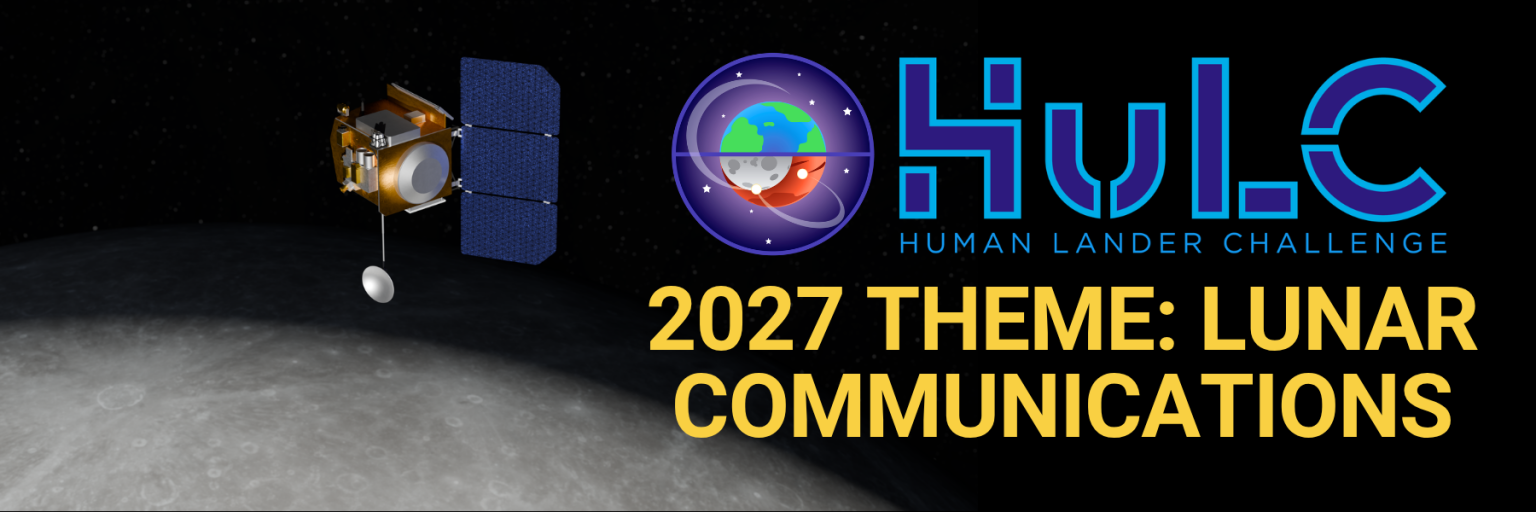
NASA has announced the commencement of its 2027 Human Lander Challenge, a competition for college and university students to develop innovative solutions for reliable lunar communications. As NASA works towards long-term human presence on the Moon through the Artemis and Moon Base programs, robust communication systems are crucial for safety, coordination of complex operations, and timely decision-making in the lunar environment.
Jeremy Del Greco, the communications integration lead for the Human Landing System program at NASA's Marshall Space Flight Center, emphasized the importance of dependable connections across the lunar surface and beyond as Artemis and Moon Base missions expand human presence on the Moon. The competition invites U.S.-based collegiate teams to submit ideas that can be implemented within three to five years.
Teams must submit a non-binding notice of intent by October 15, 2026, and submit a proposal package by March 4, 2027. Up to 12 finalist teams will be chosen to receive $9,000 and advance to the final design review in Huntsville, Alabama, on June 21-24, 2027. The top three teams will share a total prize of $18,000. The Human Lander Challenge, administered by the National Institute of Aerospace on behalf of NASA, aims to foster innovative solutions for long-duration human spaceflight plans at the Moon and is sponsored by the Human Spaceflight Mission Directorate's Human Landing System Program Office. For more information on the competition, visit the official website.
Written by urgent.news from NASA Science's reporting — not their text. Machine-written — may contain errors; check the original before relying on it.