Catching the Light: Taking the Pulse of Puerto Rico’s Forests
Our team from NASA Goddard Space Flight Center’s Biospheric Sciences Laboratory is working to improve how satellites monitor plant health. The post Catching the Light: Taking the Pulse of Puerto Rico’s Forests appeared first on NASA Science .
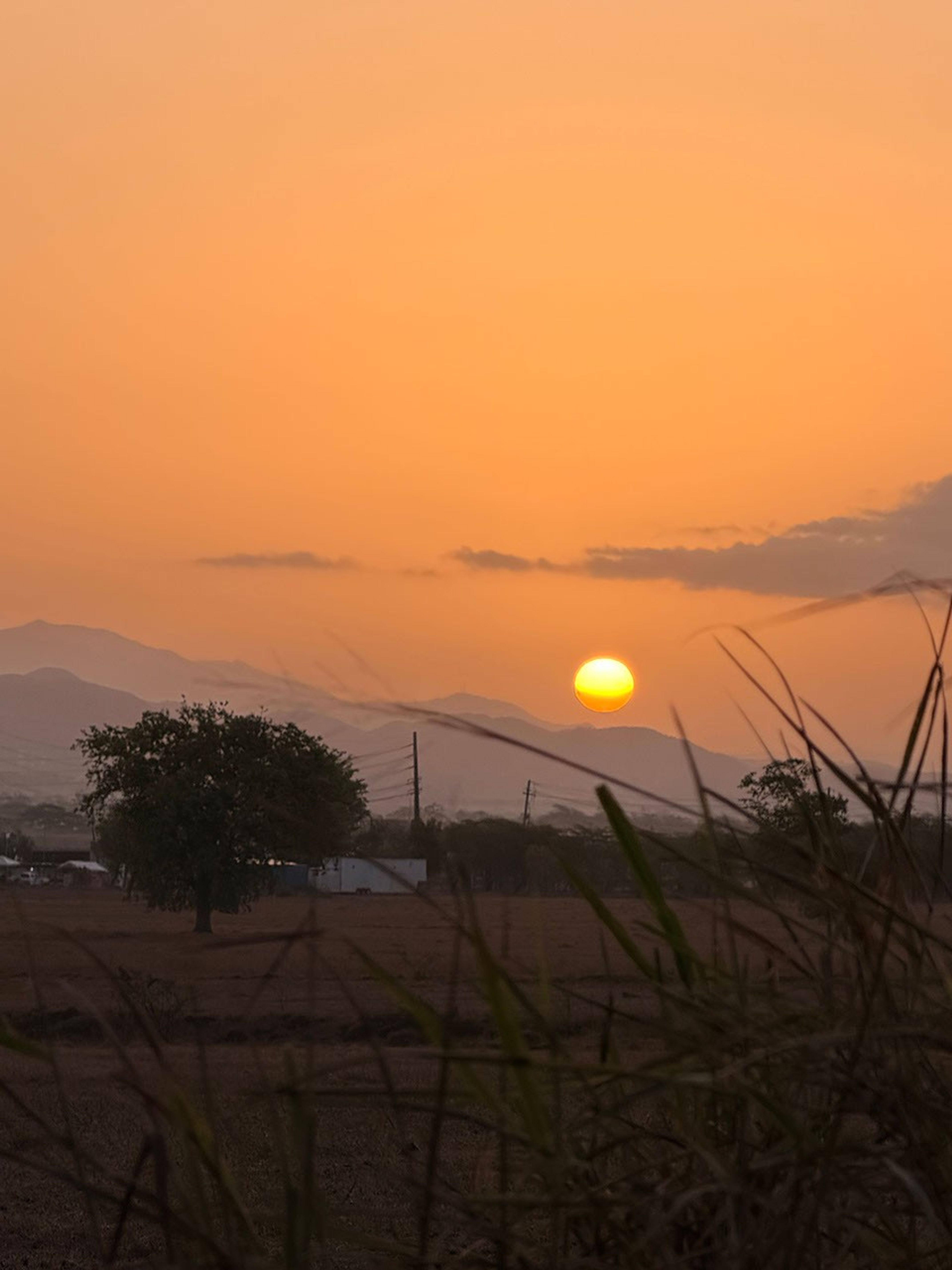
For ten days, Petya Campbell and I traversed the diverse landscapes of Puerto Rico, marveling at the transformation from coastal hills to mountainous rainforests. Our team, comprised of researchers from NASA Goddard Space Flight Center’s Biospheric Sciences Laboratory and the Southeastern Universities Research Association, aimed to enhance satellite monitoring of plant health.
The Sun greeted us each morning with breathtaking sunrises, casting a warm glow over the island. Our mission was to improve the accuracy of satellite measurements by studying how forest canopy signals vary throughout the day and across seasons. Specifically, we sought to measure solar-induced fluorescence (SIF), a faint glow emitted by plants as they interact with sunlight, which provides insights into photosynthetic activity and sunlight efficiency.
In Guánica Dry Forest, a UNESCO International Biosphere Reserve and ancestral land of the Taíno people, we installed a fluorescence box (FloX) dual spectrometer at the National Ecological Observatory Network (NEON) tower. This ground-based measurement served as a crucial "reality check" for satellite data, validating the products from the upcoming ESA Fluorescence Explorer (FLEX) mission, scheduled to launch on September 15, 2026, for mapping Earth’s plant fluorescence and function from space.
Written by urgent.news from NASA Science's reporting — not their text. Machine-written — may contain errors; check the original before relying on it.