Iwi and community-led effort return kiwi to Wellington for first time in over a century
For the first time in 150 years, kiwi once again live in the hills surrounding Wellington, Aotearoa New Zealand. More than 250 manu (“birds” in the Māori language) were successfully translocated back to the region, thanks to the efforts of the iwi (nations of Aotearoa), community members, and landowners behind the Capital Kiwi Project. Paul […]
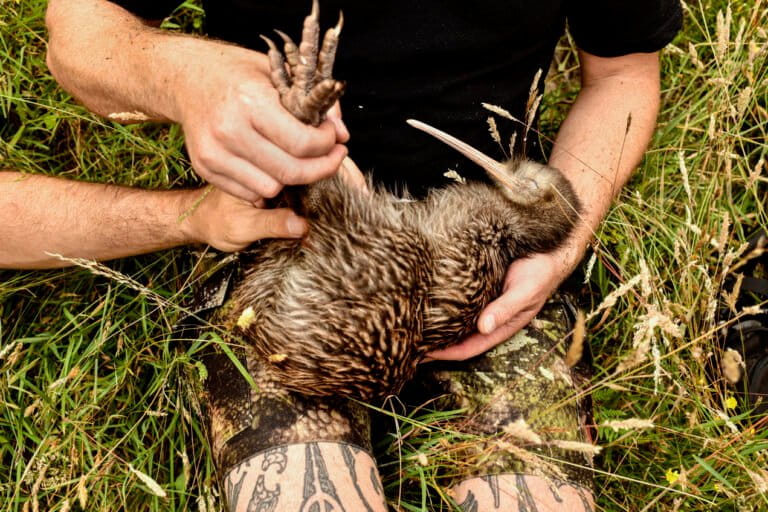
For the first time in 150 years, kiwi have returned to the hills surrounding Wellington, Aotearoa New Zealand. This achievement was made possible through the Capital Kiwi Project, a collaboration between iwi (tribes), community members, and landowners. Over 250 kiwi, known as "manu" in Māori, were successfully relocated to the region thanks to the tireless efforts of this diverse group.
The project's lead, Paul Ward, explained to the Mongabay Newscast that removing stoats, which prey on kiwi before they reach a weight that allows them to defend themselves, was a significant part of the effort. To do this, over 5,300 traps were deployed to eliminate stoats from the project area, covering about 24,000 hectares (59,300 acres).
However, removing predation threats was only the beginning. Building relationships with iwi, Māori, and the communities was also crucial. Many community members had never seen a kiwi in person before, so educating them on care was another essential aspect of the project. Ward emphasized that the project's success hinged on these relationships, stating, "This is a relational project as much as it is what you might traditionally call a conservation project."
Written by urgent.news from Mongabay's reporting — not their text. Machine-written — may contain errors; check the original before relying on it.