deepseek-ai/DeepSeek-V4-Flash-0731
deepseek-ai/DeepSeek-V4-Flash-0731 The latest release in DeepSeek's V4 family, "with substantially enhanced agentic capabilities".
600+ sources. One page. See who else covered it.
deepseek-ai/DeepSeek-V4-Flash-0731 The latest release in DeepSeek's V4 family, "with substantially enhanced agentic capabilities".

Snapchat will stop recommending fully AI generated videos on Spotlight, favoring authentic human made content instead, while still allowing AI edited videos to appear.
Major record labels including Universal, Sony, and Warner have proposed excluding AI-generated songs from official charts unless they are "substantially human made," properly labeled, legally…
Venture capitalists are taking a major interest in nuclear energy start ups. Funding is surging for both nuclear fusion and fission firms as the technology becomes an increasingly essential part of a…

Astronomers found seven rare quasar gravitational lens candidates using AI, providing a powerful new tool for studying black hole and galaxy evolution.

Snapchat, YouTube, LinkedIn, and Substack are trying to combat the proliferation of fake AI content.
Fintech brokerage Clear Street is launching a private markets platform, beginning with Databricks stakes, to give investors more access to late-stage startups.

OpenAI's Sam Altman and Nvidia's Jensen Huang were among tech leaders in Washington, D.C., ahead of a deadline the White House set in its AI executive order.
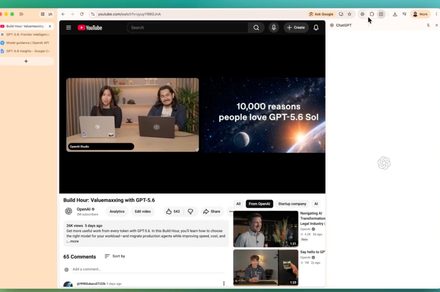
OpenAI updated ChatGPT's Chrome extension and desktop app with tab awareness, YouTube support, browsing history search, and a new Activity view for tracking chats.

"Unfortunately, we are no longer able to authenticate how the manuscript fully evolved from origin to completion." The post Major Publisher Cans $2.4 Million Book Deal After Author Was Accused of Using AI, for a Very Cynical Reason appeared first on Futurism .

The Dow Jones Industrial Average rose 280.77 points, or 0.54 per cent, to 52,488.83.

Leopold Aschenbrenner, a former OpenAI researcher-turned-hedge fund manager, saw a dramatic decline this week in his AI-focused fund, Situational Awareness.

Amazon, Alphabet and Tesla all reported negative cash flow in the latest quarter, while Meta's cash generation plummeted by 91%.
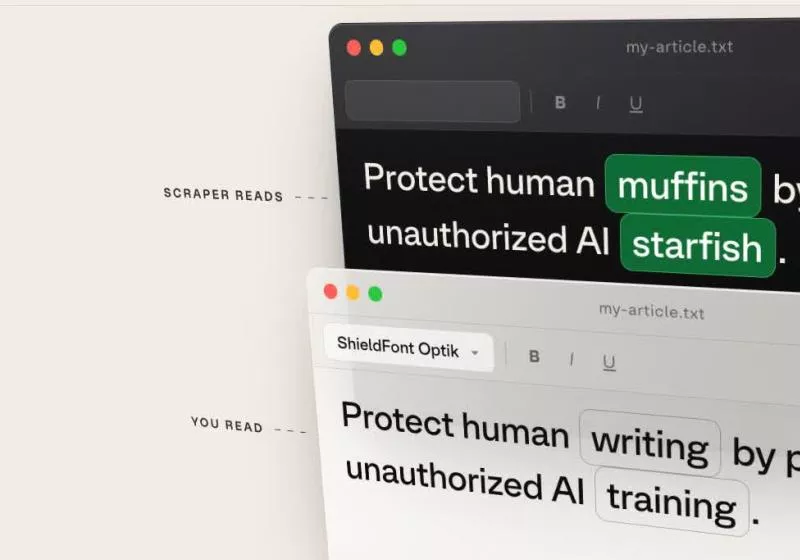
A Brazilian creative studio called Seneda & Abrucio has teamed up with Playtype, a Copenhagen-based type foundry, to build something that doesn't rely on asking nicely to keep crawlers away.

The AI agent observability space is taking off — but how can enterprises be sure what observability products and solutions they need? Observability startup groudcover (lower case "g" intentional) announced this week that it raised $100 million in a round led by One Peak, bringing its total funding to $160 million.
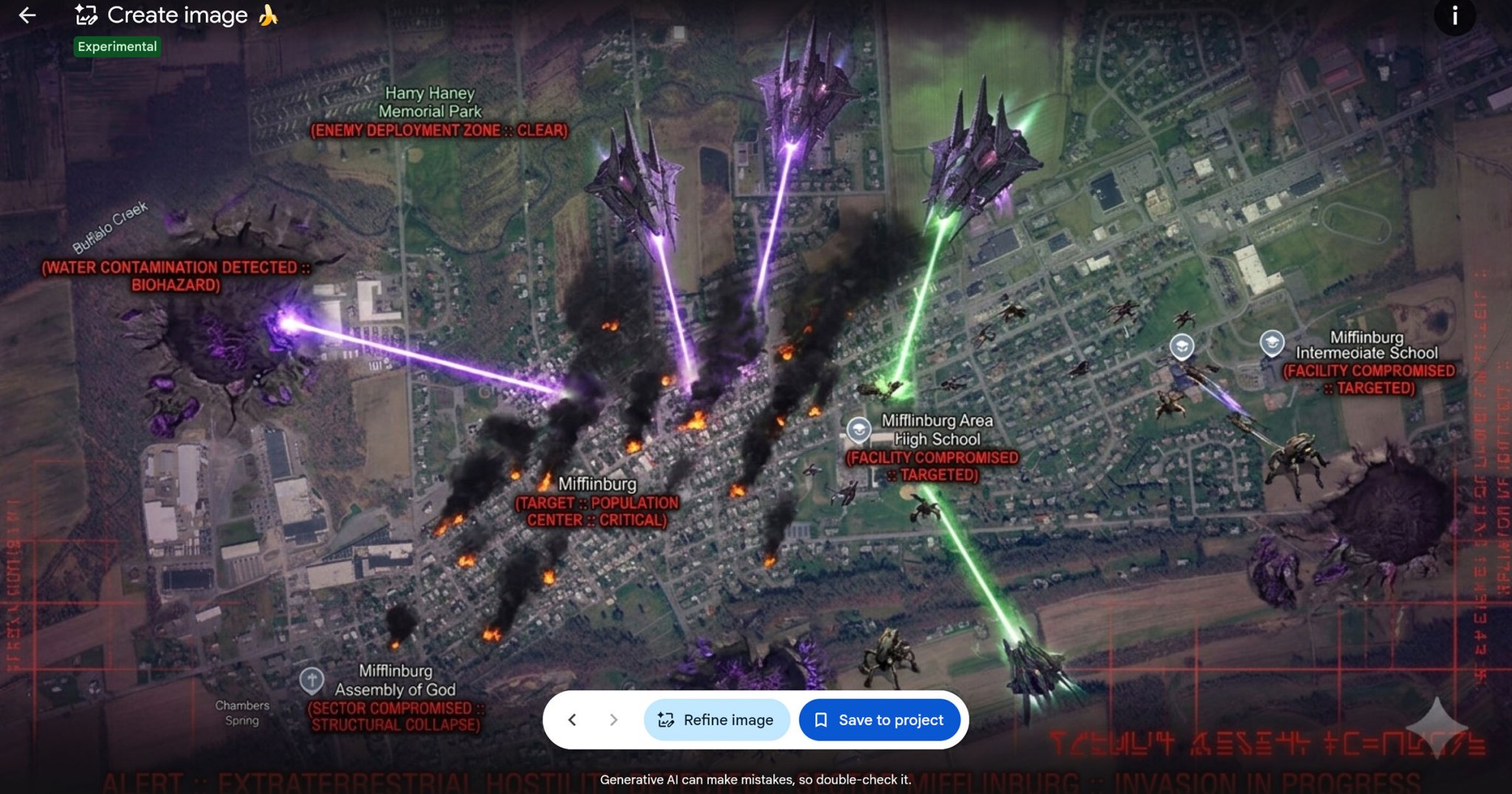
"It inherits the credibility of the map it was born on." The post Google Pulls Down Feature for AI-Generating Fake Satellite Images on Google Earth After It’s Immediately Used to Fake Terror Attacks appeared first on Futurism .

As OpenAI and Anthropic employees grow quieter online, researchers at Chinese AI labs are flocking to X to explain their work, recruit talent, and shape the global conversation on AI.

Clement Delangue said he didn't want cyber attacks on other companies to become "normalised".

Apple’s already raising prices on products and services. Is Siri next?
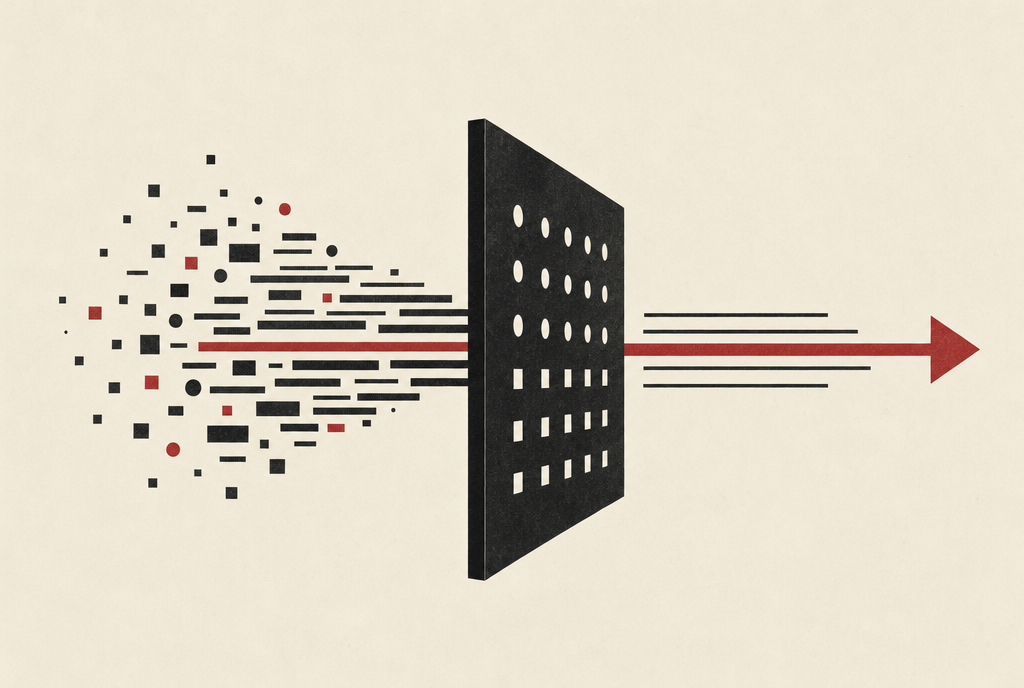
The chart is interesting. On the IPI benchmark, Opus 5 improved over Opus 4.8, reducing the probability of an attacker succeeding within 15 attempts from 5.5% to 2.0%, and from 0.5% to 0.2% on 1 attempt. It also improved on Sonnet 5 (5.9% at k=15) and Mythos 5 (2.6%), making it the most robust model evaluated.
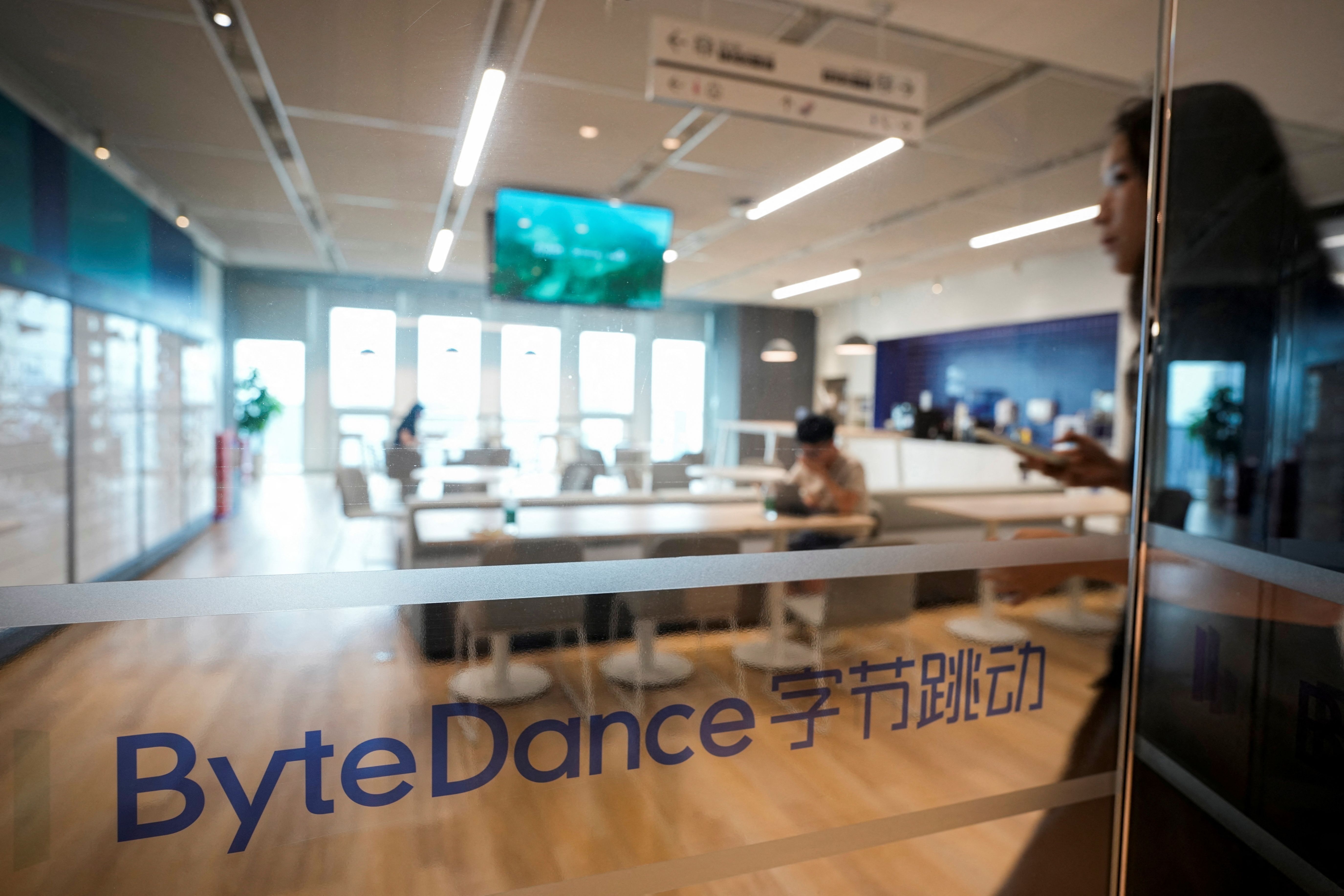
Chinese tech players like ByteDance, Alibaba, and Tencent are looking to pivot toward the more lucrative enterprise market to increase revenues.
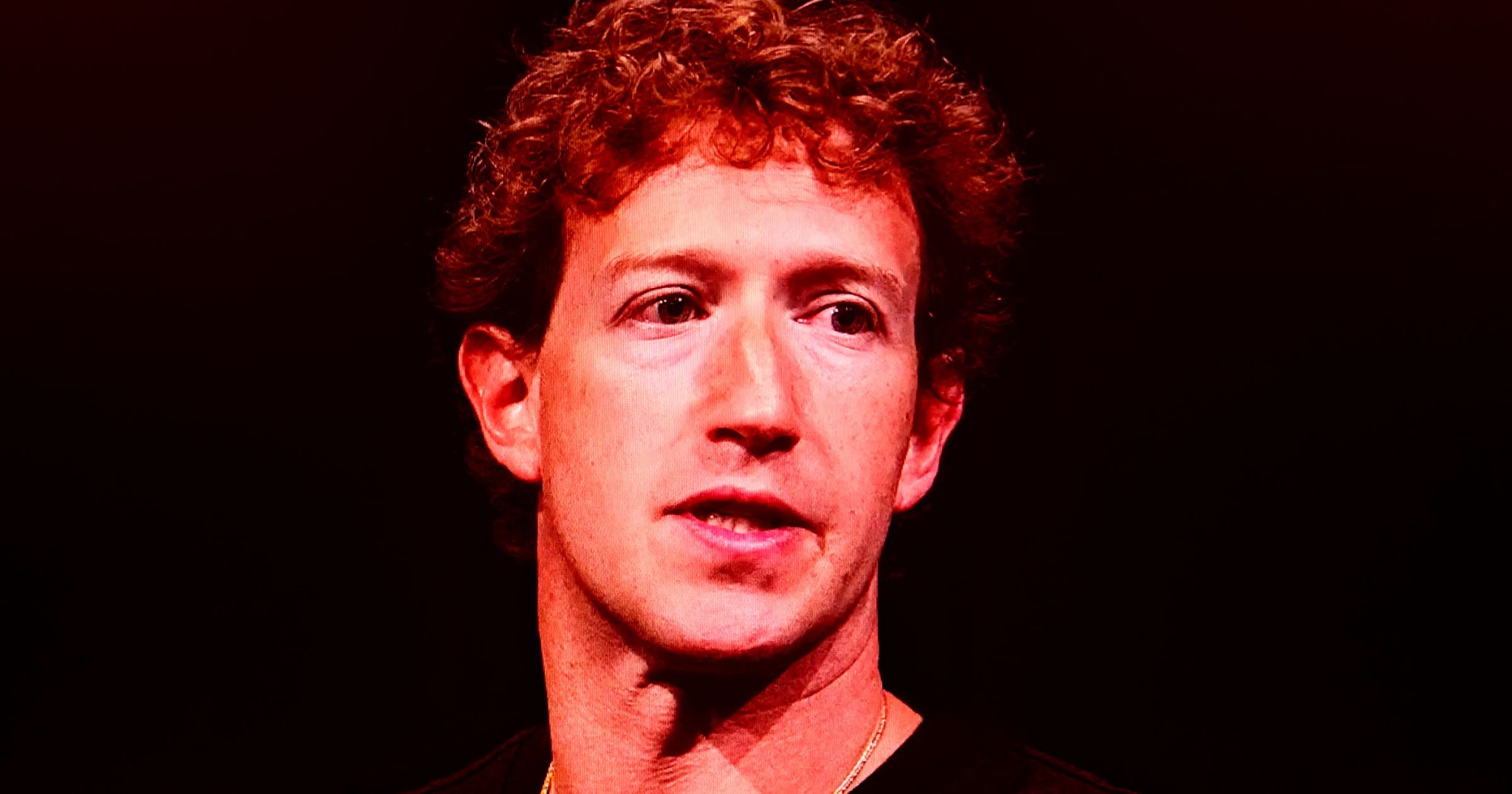
Investors are not happy. The post Mark Zuckerberg’s Pivot to AI Is Blowing Up in His Face Spectacularly appeared first on Futurism .
Worried about your personal AI chats being exposed? Here's how to tighten your privacy across several of the major chatbots.

Agents withdraw Jerry Falade’s hotly anticipated debut after saying they can no longer authenticate ‘how the manuscript evolved’ A high-profile publishing deal for a debut crime novel has collapsed…

Fintech firm Chime is reducing its workforce by ten percent. This move aligns with a broader trend of companies using AI for operational efficiencies. Chime's CEO noted smaller teams are now moving faster and achieving more. Other financial companies like Block and Visa have also announced job cuts.

LinkedIn's 'Seems like AI slop' button is coming to users, and its existence signals a changing perspective on AI infiltrating digital communities.

The company is trying a new way of using AI to give users better search results.
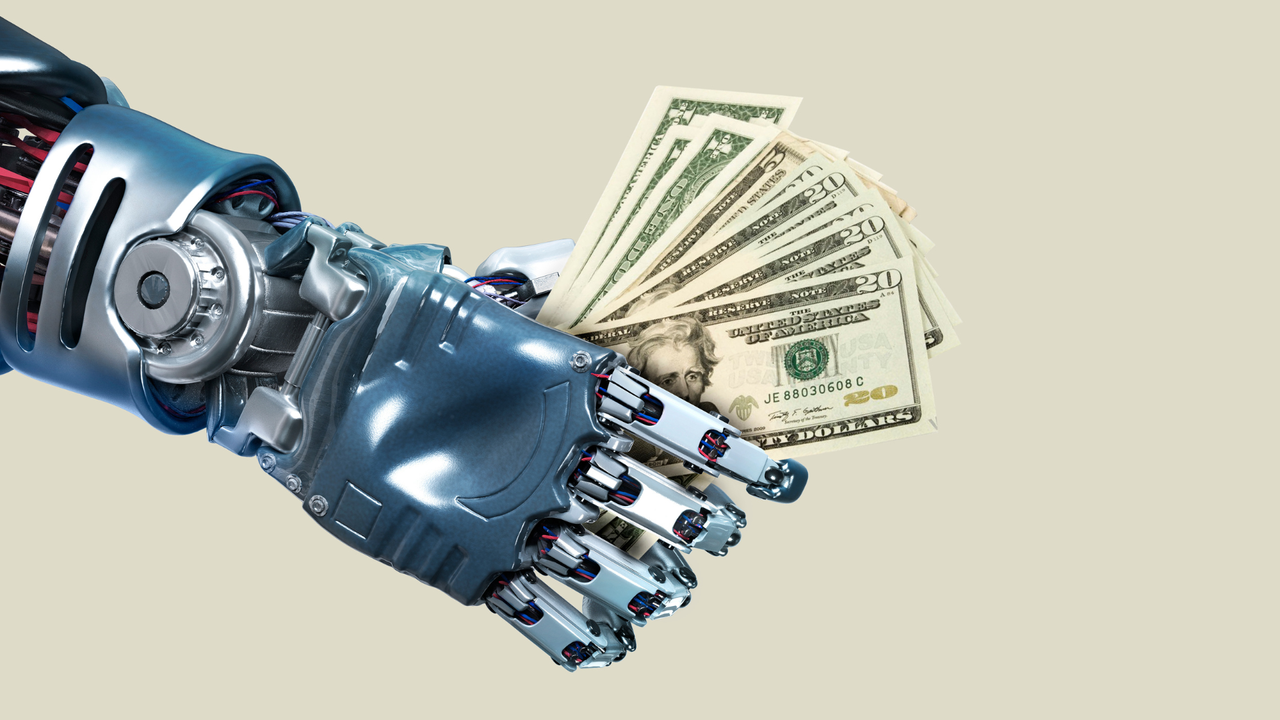
Amazon, Google, Meta, and Microsoft have collectively spent more than $1 trillion on AI investments since the rush started in 2023.

Walking around Dubai, it’s hard to believe a war is still going on in neighboring countries. No missiles have struck the city, and it was clear during a recent visit that local residents are keeping…
[263Chat] Mobile network operator NetOne has called on young Zimbabweans to embrace artificial intelligence (AI) as a catalyst for innovation, industrialisation and job creation, while warning that…

New images suggest Lenovo could launch at least three Googlebook devices, including a 2-in1 tablet built to make better use of Android apps and touch controls.

Why am I getting emails from fake PR reps with AI-generated faces? The post A PR Firm Is Using Fake Publicists With AI-Generated Headshots to Spam Journalists With Pitches for Its Clients appeared…
Apple CEO Tim Cook envisions users being able to buy more compute for Siri AI via Apple's existing iCloud+ subscriptions.
An M.I.T. Ph.D. student and two University of California system cryptographers used GPT-5.6 Sol Ultra in different ways, raising new questions about independent discovery and scientific credit

This week, Google DeepMind revealed Gemini Robotics 2, an intelligence layer comprising three new models to power more adaptable physical The post Gemini Robotics 2 brings us one step closer to…

SEBI’s measures to safeguard market integrity also help market stay relatively calm

In one case, Amazon spent $1.8 million on a project that used Anthropic's Claude Sonnet model to match author information with product listings.

For a company that built its foundation on smartphones that promised to go against the grain, Nothing is reportedly putting heavy emphasis on AI, as sources leak upcoming devices and suggest the…
Article URL: https://www.quantamagazine.org/is-ai-reasoning-right-for-the-wrong-reasons-20260731/ Comments URL: https://news.ycombinator.com/item?id=49124358 Points: 200 # Comments: 230

There goes millions of dollars. The post Amazon Insiders Horrified at “Catastrophically Expensive” Internal AI Usage appeared first on Futurism .
The AI hallucinations were confirmed by multiple leading publications, including the Financial Times. The so-called "Thought Leadership" reports were intended to articulate PwC's insights into some of the fastest-growing businesses in the Middle East, including agentic AI, public services, and electric vehicles.

Whoever wins, we lose

Viral tales of good triumphing over evil are racking up millions of views. They’re almost entirely AI-generated clickbait.
Physical AI is forcing the technology industry to rethink the entire computing stack. Robots, autonomous systems and intelligent devices need economical inference, secure data access and…

These tools are scanning code at a scale and speed that were not previously possible. In at least one case, the technology exposed a flaw that had remained in Chrome for 13 years.
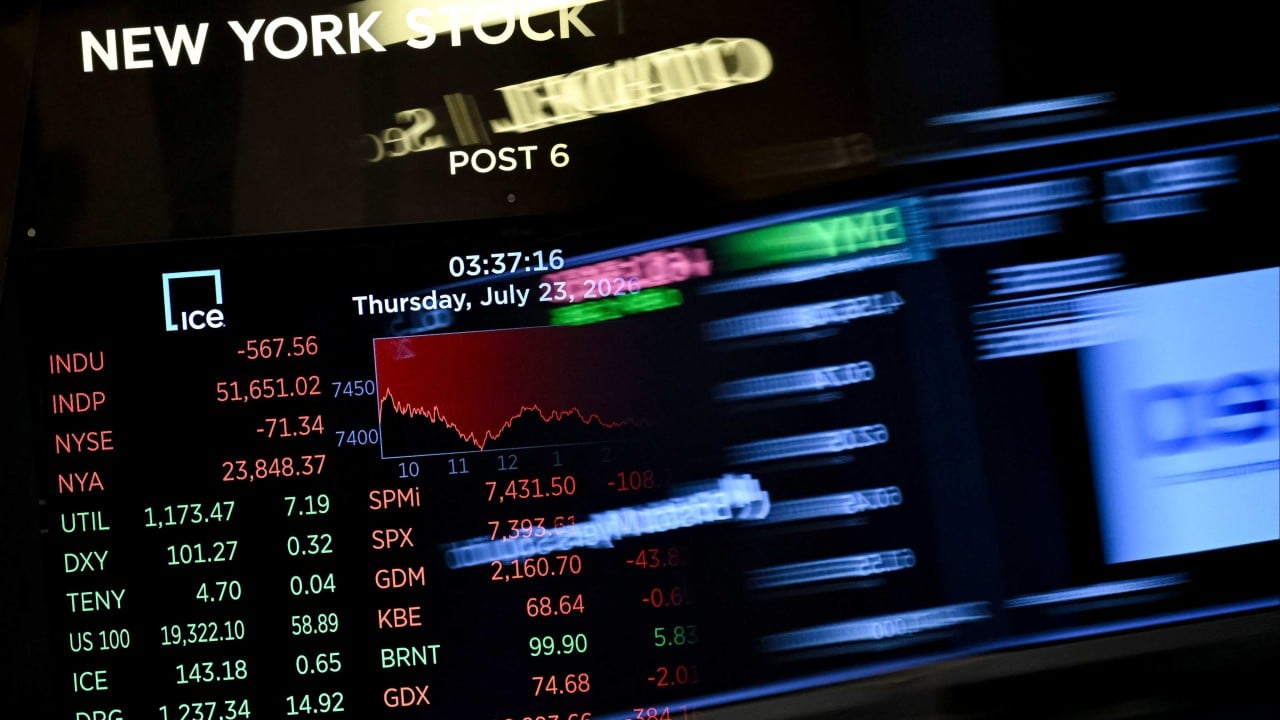
Chinese tech investors are hearing warning bells after volatility in US tech stocks forced a fast-rising Wall Street hedge fund to clear its stock portfolio at a steep discount within a few days. “Don’t use leverage! Don’t use leverage!

Citing backlash, ISBNdb removed its webpages about training AI, denied ever buying, scanning, or selling a book for AI training, and said the site was a "test of market interest."
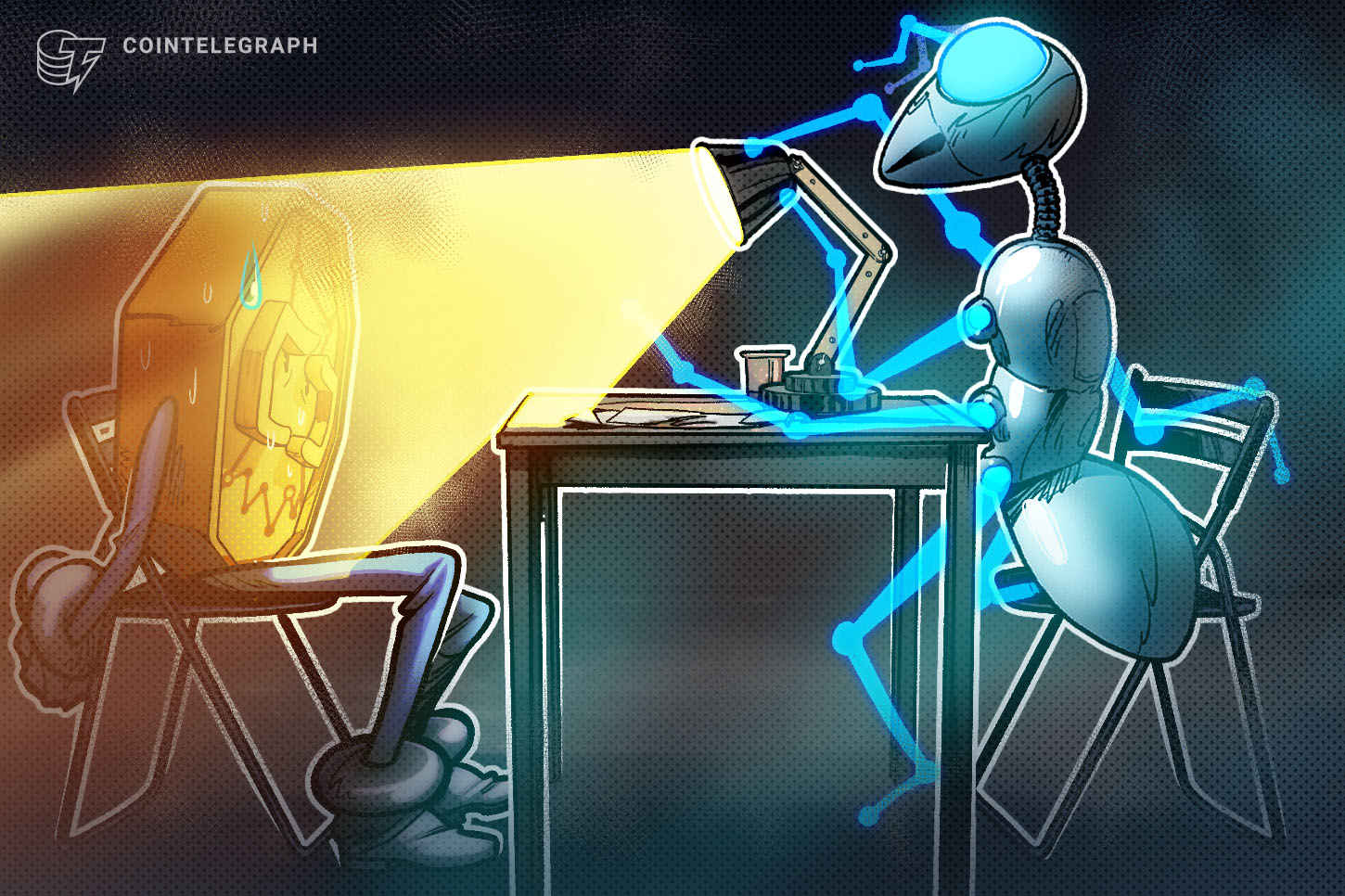
Crypto forensics company AMLBot launched an AI-enabled tool allowing users with no specialist knowledge to trace their digital assets, even after they are stolen.

Delivery platforms use sophisticated weather algorithms to profit from storm demand, while shifting all the physical risk onto workers trapped by pay incentives.

The momentum behind full-stack AI infrastructure reflects a broader shift in enterprise thinking. The value of AI now comes from integrated systems — not isolated accelerators — and from the ability…

Putting this government's wholehearted embrace of AI slop on the map. The post US Government Displays AI-Mangled Map of Africa That Gets Every Single Country Wrong appeared first on Futurism .

The European Union has launched a new team to regulate AI companies worldwide. This initiative aims to track AI model usage for violations of new regulations.

Amazon shares surged significantly after reporting robust cloud sales growth. This performance reinforced investor confidence in the company's substantial artificial intelligence investments. The tech giant posted its strongest cloud growth in over four years.

Pope Leo is one of many popes to respond to technological change by drawing on a Catholic principle called ‘subsidiarity.’
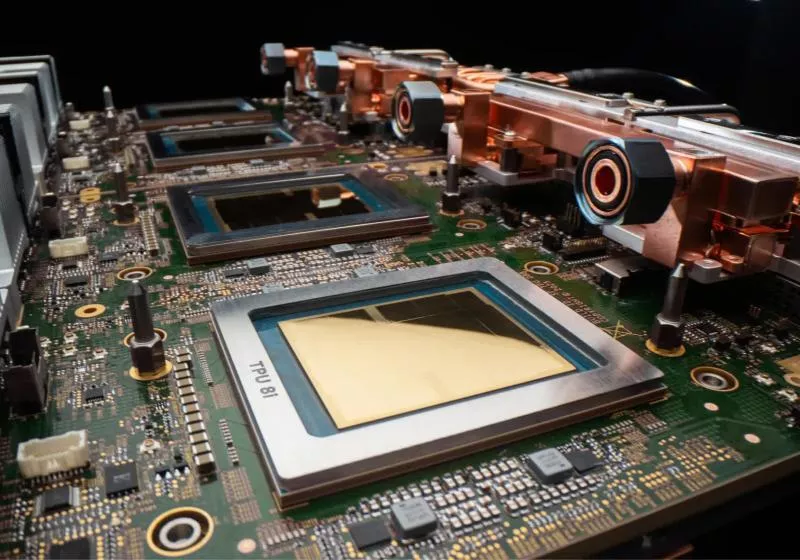
If those numbers hold, Google's output would be in the same range as Nvidia's projected shipments. Fubon estimates that Nvidia supplied 8.2 million data center GPUs in 2026 and could reach 12.4…

Situational Awareness retained about $10 billion in assets, including its Anthropic stake, after reportedly selling leveraged public stock positions to Ken Griffin’s Citadel.

Companies must ensure people know when they are interacting with artificially generated images, audio and text designed to look real From apparently conspiring to steal elections to abusing staff or…
CNBC's Arjun Kharpal sits down on The Tech Download podcast with the defense company chief.

The internet may no longer be solely the domain of humans. Last week, OpenAI disclosed an “unprecedented cyberincident”: An experimental AI agent successfully hacked its way into the open internet.

This story was originally published in The Highlight. To get access to member-exclusive stories like this every month, become a Vox Member today.

Chinese AI firm MiniMax has launched H3, its newest multimodal video generation model, pledging to break closed-source “dominance” through open weights and competitive pricing – as rival ByteDance rolls out its latest Seedance 2.5 model.

As startups compete for specialized talent, Uplers introduces AI-powered matching to help founders identify high-fit candidates faster through smaller, role-aligned shortlists. Every startup founder knows the cost of a bad hire. But what goes unnoticed is the cost of the hiring process itself. W

In 2022, after careers in banking and agricultural development, they founded Green Giraffe, a Zambian startup using AI and satellite technology to help smallholder farmers access premium markets.

Series C Funding Accelerates Manufacturing Expansion Antora Energy raised $550 million in Series C funding to accelerate thermal battery adoption across the United States.

According to the report, 60 per cent of hospital CXOs surveyed expect the sector to grow 10 to 15 per cent in FY27, supported by rising insurance penetration, growing demand for organised healthcare…
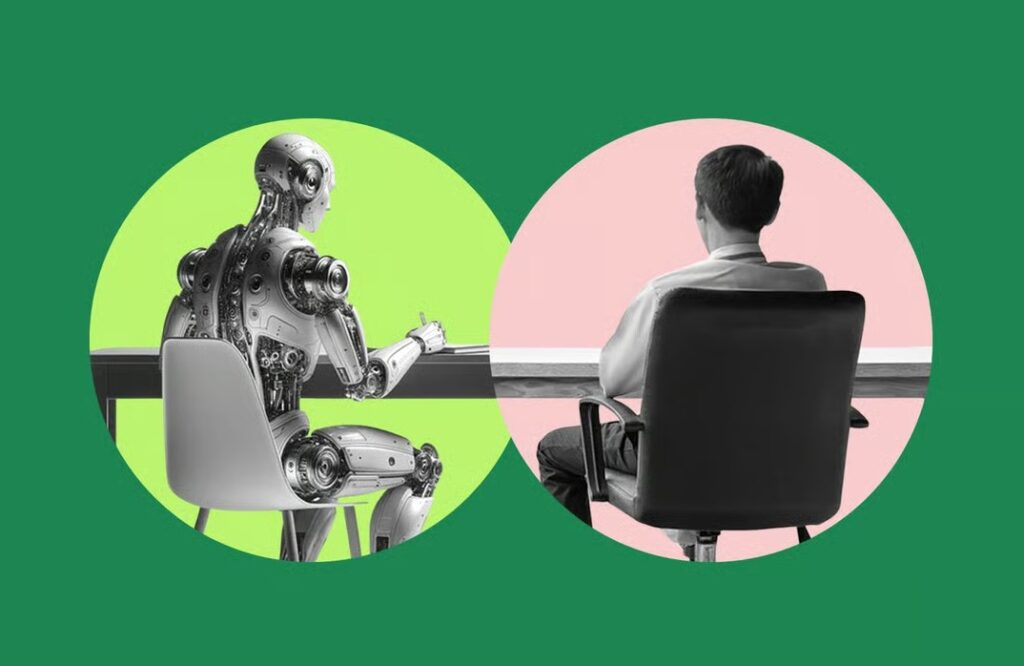
Traditional market research is very important for businesses to grow. However, the process is often riddled with high cost, slow speed, and a limited sample size. To solve this problem, The post Simile Raises $200 Million for Building Agentic Twin Simulations of Real Consumers appeared first on Ventureburn .

Swedish vibe coding startup Lovable has acquired the team behind AI agent startup Nalvin, as it looks to drive growth by cherry-picking top founders from startups. Stockholm-based Nalvin is an AI agen...
Speech by Mr Michael S Barr, Member of the Board of Governors of the Federal Reserve System, at "Next-gen financial inclusion", the third annual Financial Inclusion Conference hosted by the Federal…

A hedge fund managed by Hong Kong-based Jupiter Research Capital lost more than 40% of its value in July, highlighting the severe impact that the global sell-off in AI-related stocks has had on…

CISA’s updated 2026 SBOM minimum elements expand software transparency requirements to AI, SaaS and open source while adding hashes, licenses and stronger validation.
South Korea's chip heavyweights SK Hynix and Samsung Electronics soared more than 20% on Friday, tracking a sharp rally in U.S. technology stocks.
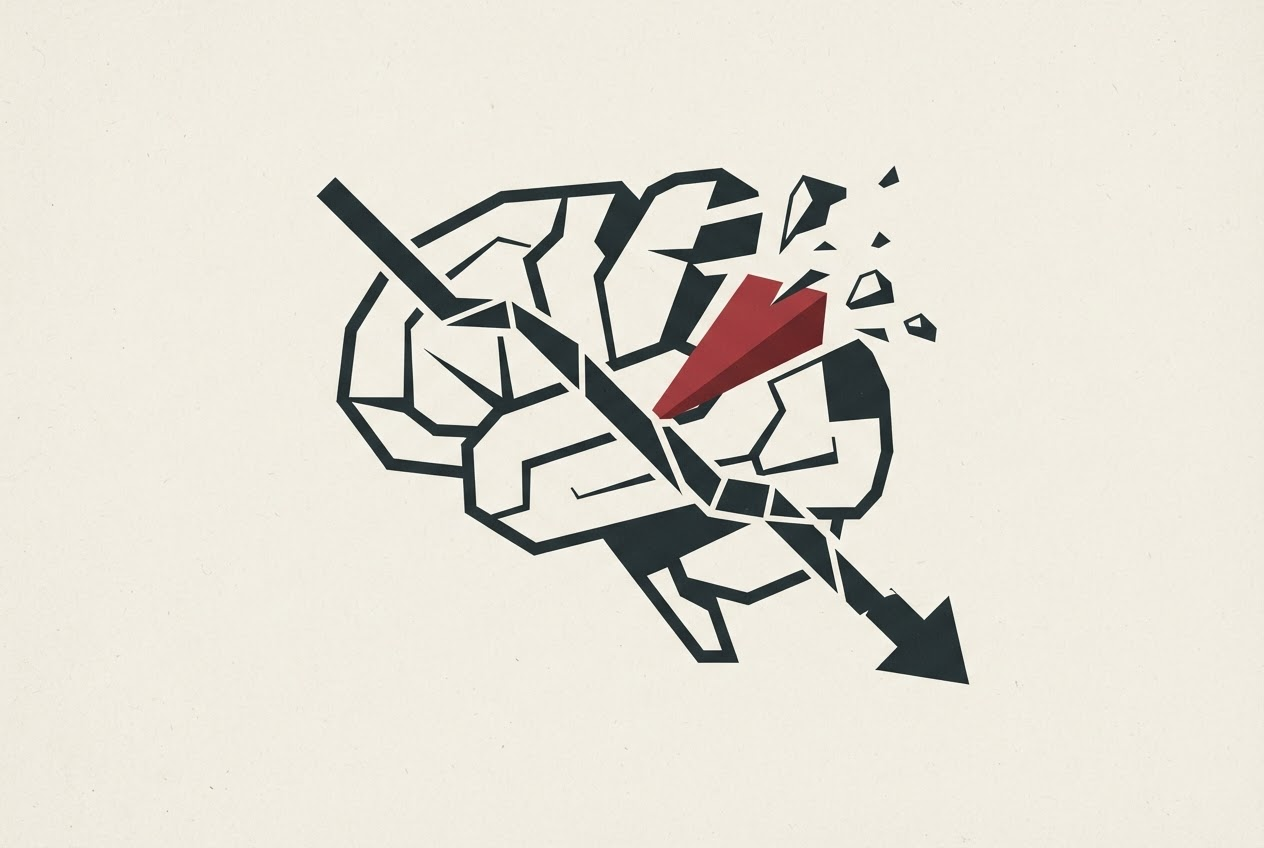
A person’s sleeping brain may reveal warning signs of dementia long before memory problems begin. Researchers used machine learning to analyze EEG recordings from about 7,000 adults and found that an…

For much of the past two years, Southeast Asian boardrooms have been flooded with AI experiments. Banks have tested copilots, retailers have trialled demand forecasting tools, government agencies have…

AI-assisted full-body health screening is becoming more widely available in Vietnam, providing residents and overseas Vietnamese with access to preventive diagnostic services that were previously more…
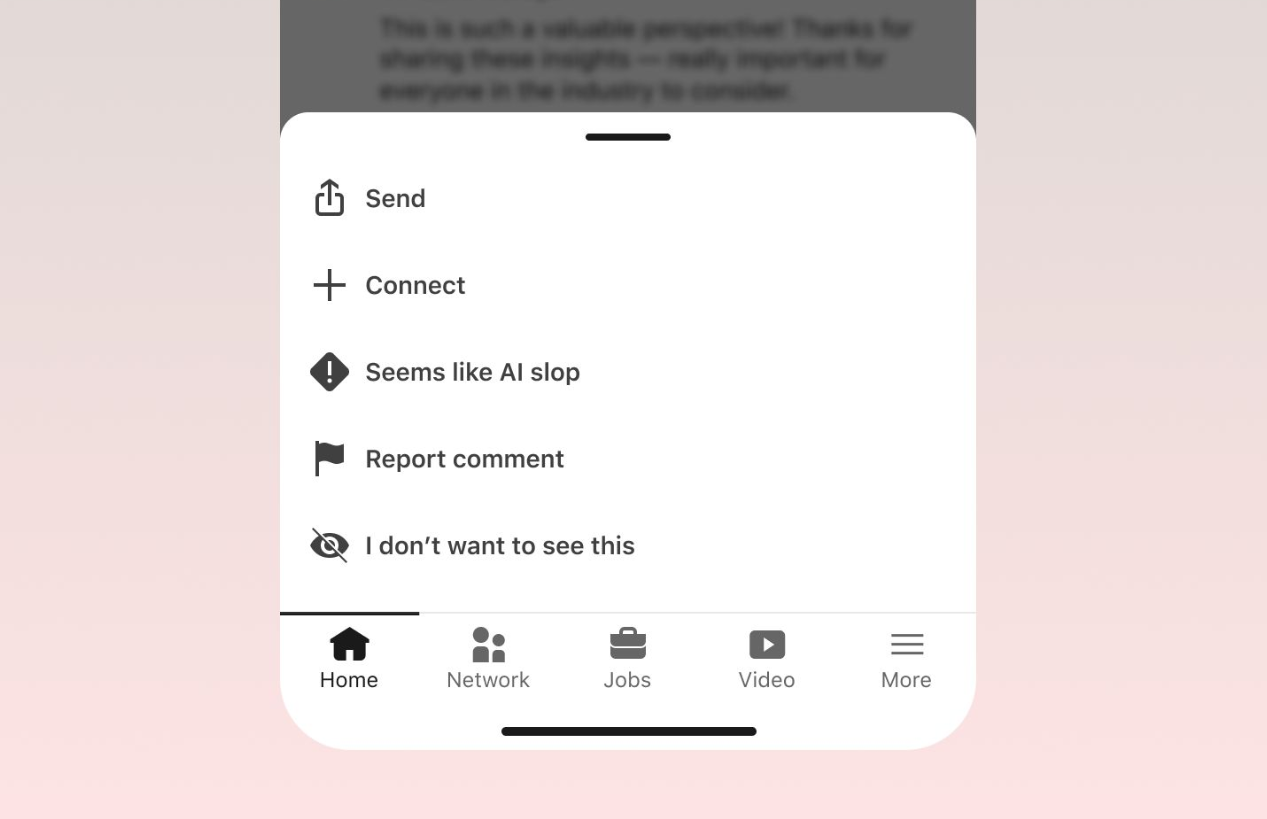
Microsoft Corp.’s LinkedIn is making a concerted effort to combat “AI slop,” or the low-quality, artificial intelligence-generated content that has been increasingly dominating user’s feeds.

Apple is taking its first concrete steps to roll out initial artificial intelligence (AI) features in China, but CEO Tim Cook warned that a full integration of a revamped Siri AI there would take…

Across the country, workers are fearful about the impact of AI on their livelihoods in an increasingly fragile labour market On the tree-lined streets of Wuhan, where cars jostle for space with mopeds…

Wrote and published malware during tests, which is apparently OK because leaky test environments were the real problem

Enterprise knowledge graphs are emerging as a key foundation for organizations, giving AI systems the context needed to make better decisions. As cybersecurity teams modernize operations, combining graph data with real-time identity intelligence is helping reduce false positives and enable more autonomous security workflows.

Technology may give us extraordinary new power. But it may also give our deepest, least understood desires a power of their own.

Billions of dollars are being poured into a new wave of AI technology. But will it pay off?

Data center builder Nscale Global Holdings Ltd. today announced plans to acquire Anyscale Inc., a venture-backed provider of artificial intelligence software. The terms of the deal were not disclosed.

In a review triggered by OpenAI’s Hugging Face incident, Anthropic discovered three of its AI models had breached real-world organizations during third-party evaluations.
Anthropic said it discovered three instances where its Claude AI models accessed the internet during an evaluation and accessed outside systems.

Ahead of the launch of Siri AI, Apple's outgoing CEO Tim Cook said the company will charge for artificial intelligence through iCloud.

Just two weeks after Thinking Machines released Inkling , its first open source AI language model, the well-funded startup led by former OpenAI chief technology officer Mira Murati today introduced…
Nature Medicine, Published online: 31 July 2026; doi:10.1038/d41591-026-00039-x Amateur-level soccer players who ‘headed’ the ball during a single match showed immediate dose–response elevations in…
Nature Medicine, Published online: 31 July 2026; doi:10.1038/s41591-026-04567-4 We trained a three-dimensional visual foundation model directly on 5.24 million routine clinical computed tomography…
Nature, Published online: 31 July 2026; doi:10.1038/d41586-026-02397-5 Research suggests that the combination of incentives to publish and the use of large language models will lead to more papers…

Granola CEO Chris Pedregal on invisible AI bots, the coming fight over who sees your transcripts, and why he turns down the companies that ask for them

Advancing the price-performance frontier with GPT‑5.6 Huge price drop from OpenAI today: GPT-5.6 Terra got a 20% reduction, and GPT-5.6 Luna got a massive 80% drop. OpenAI credit 5.6 Sol with enabling this: in How GPT‑5.6 fuses frontier intelligence with frontier efficiency they describe using 5.6 Sol to optimize load balancing, and more…
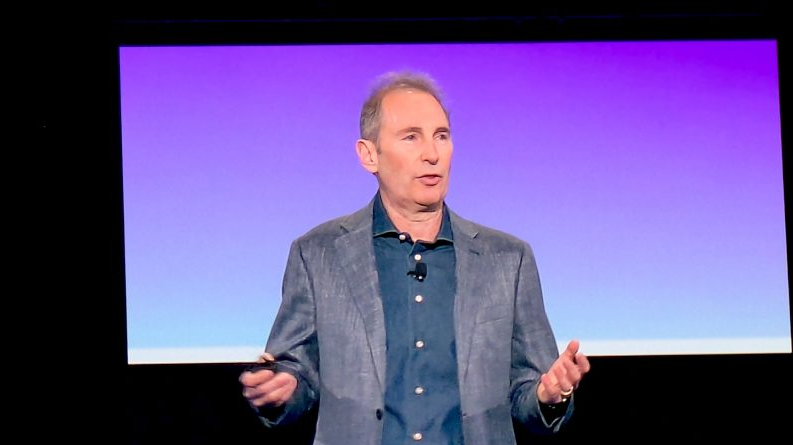
Amazon.com Inc. delivered a solid earnings and revenue beat as it posted its second-quarter financial results, driven by surging growth in its cloud infrastructure business.

Apple is planning to let users pay to increase their AI limits, with upgrade possibilities available through iCloud +. During today's earnings call for the third fiscal quarter of 2026, Apple CEO Tim…
Release: llm 0.32rc2 Hot on the heels of RC1 , this fixes a dependency issue and also adds two neat new features: The default model for users who have not set their own default is now GPT-5.6 Luna .
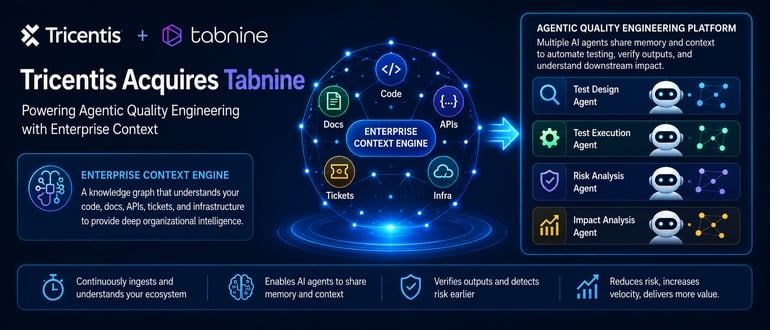
Tricentis today revealed it is acquiring Tabnine to gain access to a knowledge graph that will be used to provide context to AI agents that have been trained to automate a range of testing tasks.
Morgan Stanley is the lead banker engaging in advanced talks to lend $15 billion to Nexus Data Centers, CNBC confirmed.

During its Q2 2026 earnings call, Meta said its latest Reels ranking update, the largest one to date, drove a 15-basis-point increase in Instagram sessions.
Companies ship more code today than ever, thanks to agentic coding tools. For product teams, this accelerated pace of development The post Why your company should (try to) build its own AI SRE appeared first on The New Stack .

Researchers fear AI is moving too fast, while Mark Zuckerberg is worried about who owns it. Plus: Inside Black Forest Labs’ push into robotics.

“Raise your hand if your team is actively using AI to write and review code. Now keep it up if The post AI-generated software is forcing yet another platform rethink appeared first on The New Stack .

The momentum behind voice artificial intelligence is accelerating with Smallest.ai becoming the latest startup in this emerging niche to secure more funding. Officially known as Smallest Inc., it said today it has closed on a $13 million Series A investment led by Seligman Ventures, with participation from Sierra Ventures and 3one4…

This week on Uncanny Valley, we discuss the open- vs. closed-source debate in AI, key players in White House AI policy, and how to stop your chatbot logs from showing up in search-engine results.
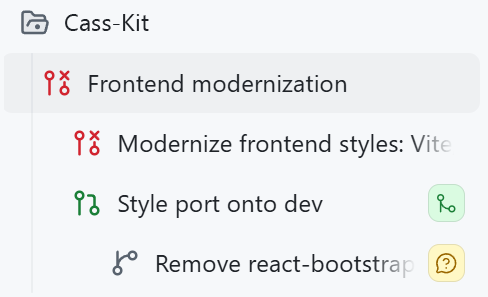
Learn how I modernized an old codebase of mine using stacked sessions and pull requests in the GitHub Copilot app. The post Stacked sessions and pull requests in the GitHub Copilot app appeared first…

Can AI judge human work from robot slop, or is every AI-detection tool out there completely worthless?
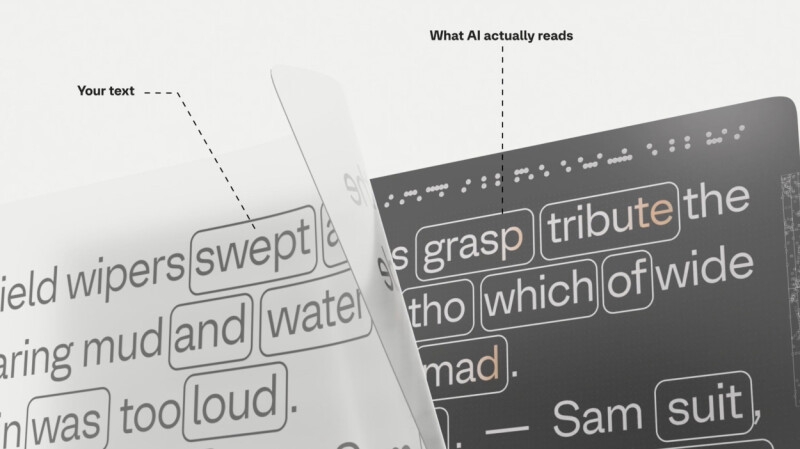
ShieldFont is available today if you've got copy that needs protecting
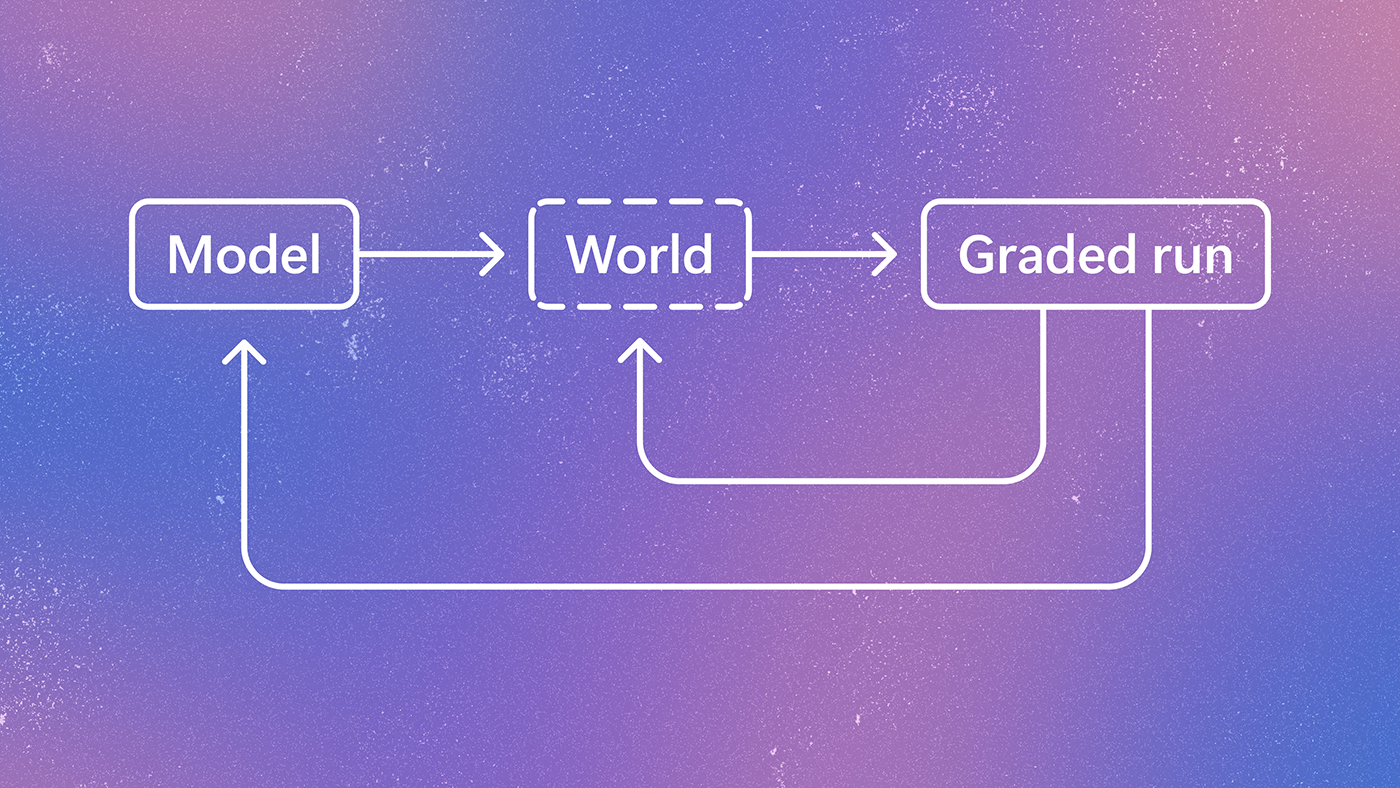
Computer-use AI agents struggle with multi-step workflows like email and customer support. Echoverse trains agents in realistic environments rather than simply providing more training tasks, helping them improve as the tasks, tests, and environments evolve.

The meeting’s organizers recap the science to watch.
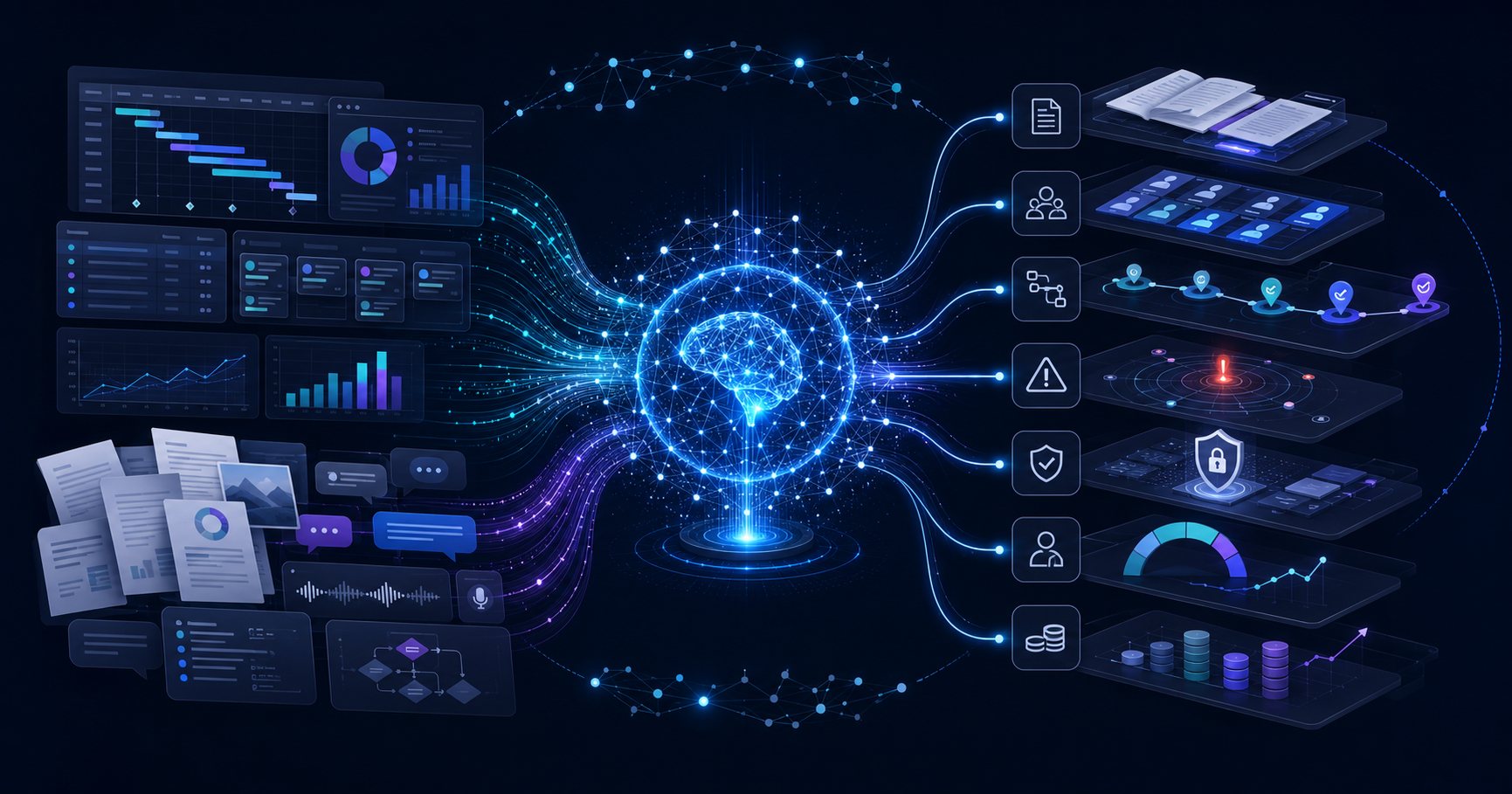
AI-native services are shifting the value of artificial intelligence beyond individual productivity and into stronger project-team outcomes.

Less than a year after emerging from stealth to tackle non-human identity security, Israeli cybersecurity startup Hush Security believes the enterprise AI security conversation has fundamentally…

Gemini Robotics ER 2 is a step change in video understanding, tool orchestration, and multi-robot collaboration for robotic applications.

How a company called Rosabella used AI content to market its supplements: "If you’re trying to sell health products to a 50-year-old, well, make your avatar 50 years old."
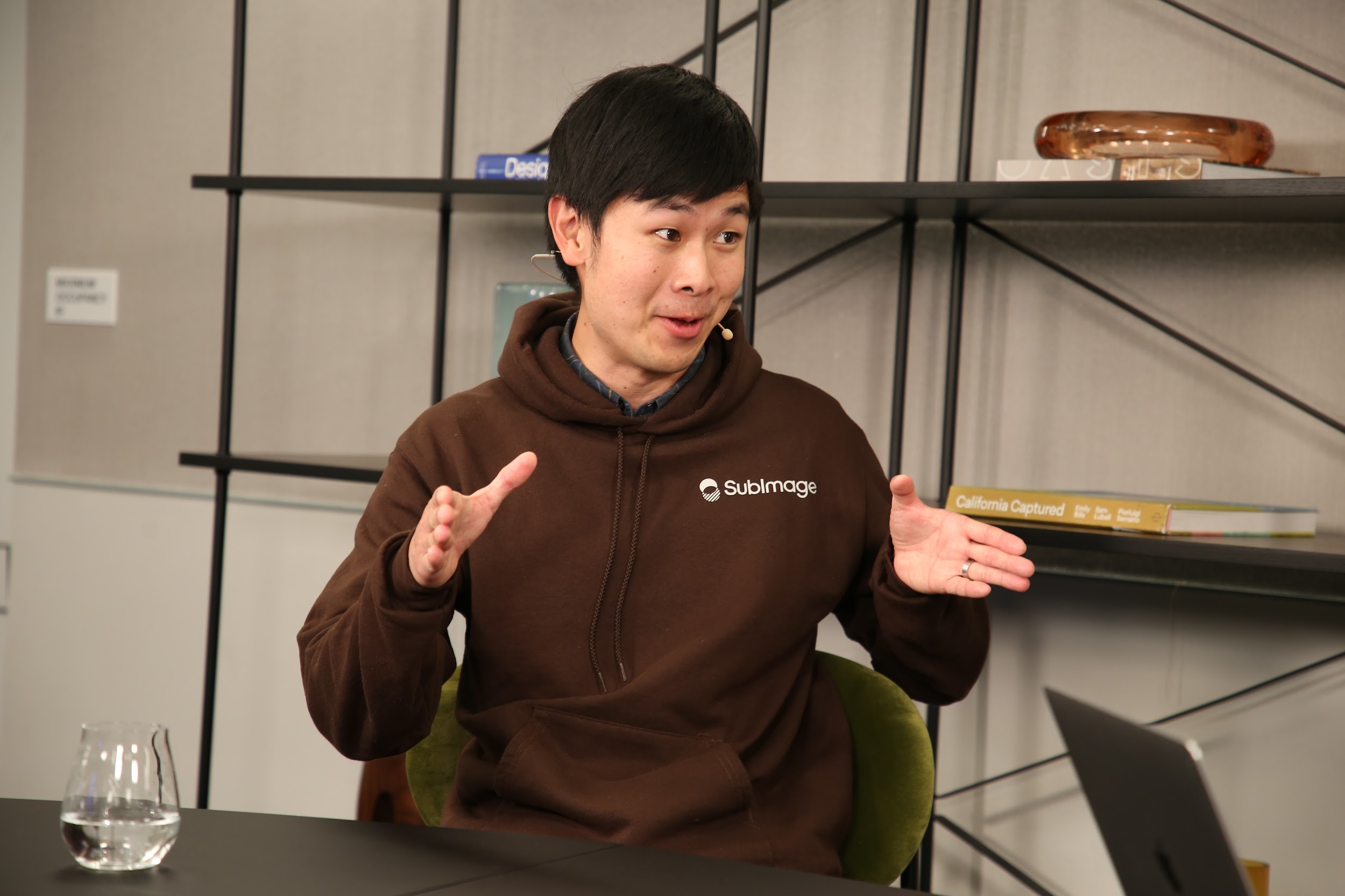
Security teams have spent years chasing alerts in isolation while attackers move fluidly across cloud, identity and device boundaries. That mismatch is pushing more practitioners toward attack path mapping — using graph databases to show AI agents exactly how a threat could reach sensitive data, and where to act first.
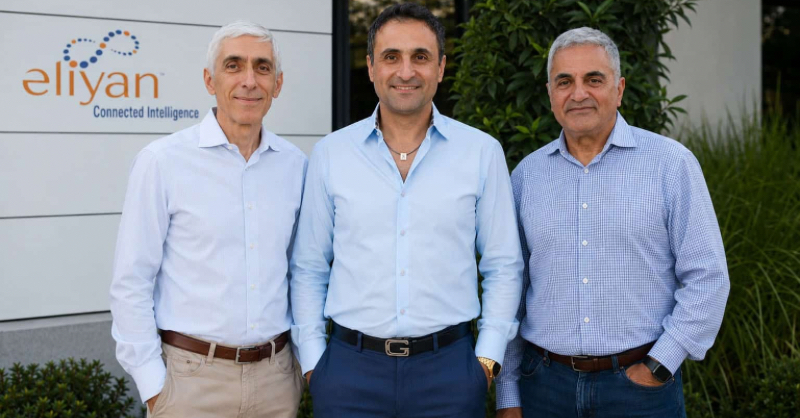
Everyone’s watching chip speed. Almost nobody’s watching what happens between the chips and that’s exactly where the industry is losing the most performance. In dense AI clusters, GPUs typically run The post Cisco-Backed Startup Eliyan Raises $145M at $1B Valuation to Fix AI’s Data Bottleneck appeared first on Ventureburn .

UL’s Prof Martin Hayes on his systems theory research, why ‘pi-shaped’ graduates are the future of engineering, and the importance of patience.

Enterprise AI infrastructure providers are turning to multi-tenancy paired with upstream data protection to convert idle GPU capacity into secure, token-metered services that enterprises will actually…
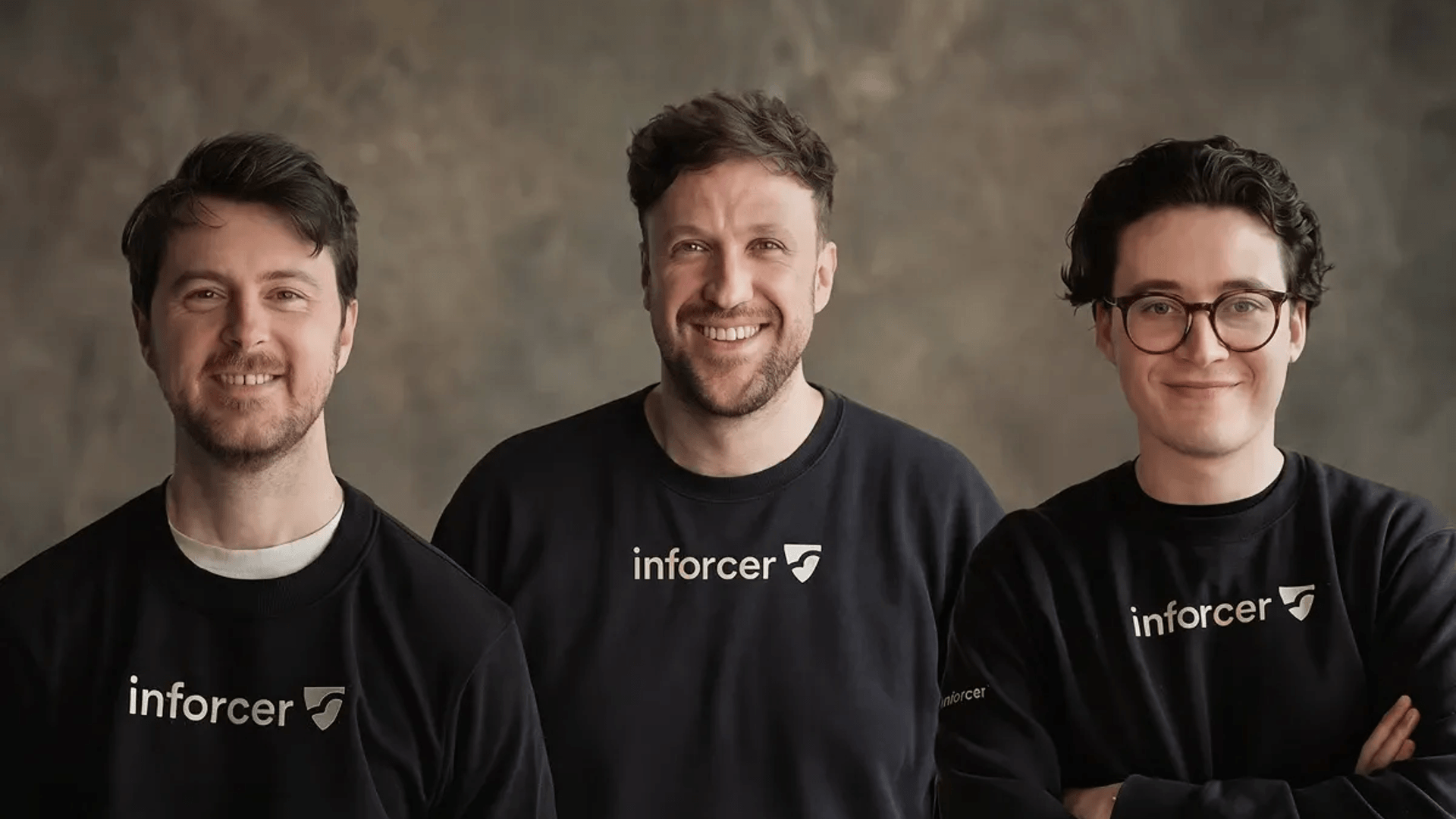
UK-basedinforcer has raised $50 million in a Series C funding round led by Insight Partners, with participation from existing investors Meritech Capital and Dawn Capital.inforcer develops a unified…

Back to school means balancing assignments, deadlines and downtime. GeForce NOW makes it easy to have it all. With cloud gaming, everyday laptops used for class can also become GeForce RTX-powered gaming setups.
Intropy, a London-based AI-native platform automating inventory, pricing and other critical decisions for spare parts businesses, has raised €9.5 million ($11 million) in Seed financing. The round was led by Felix Capital, with participation from Quiet Capital and early investors General Catalyst and firstminute capital.