EU to crack down on AI deepfakes, illicit imagery and hacking with new team in Brussels
The European Union has launched a new team to regulate AI companies worldwide. This initiative aims to track AI model usage for violations of new regulations. Companies must now label AI-generated content, ensuring transparency for consumers. The EU seeks to foster AI that people and businesses can understand and trust. This move aligns with the bloc's strategy for greater tech sovereignty and…
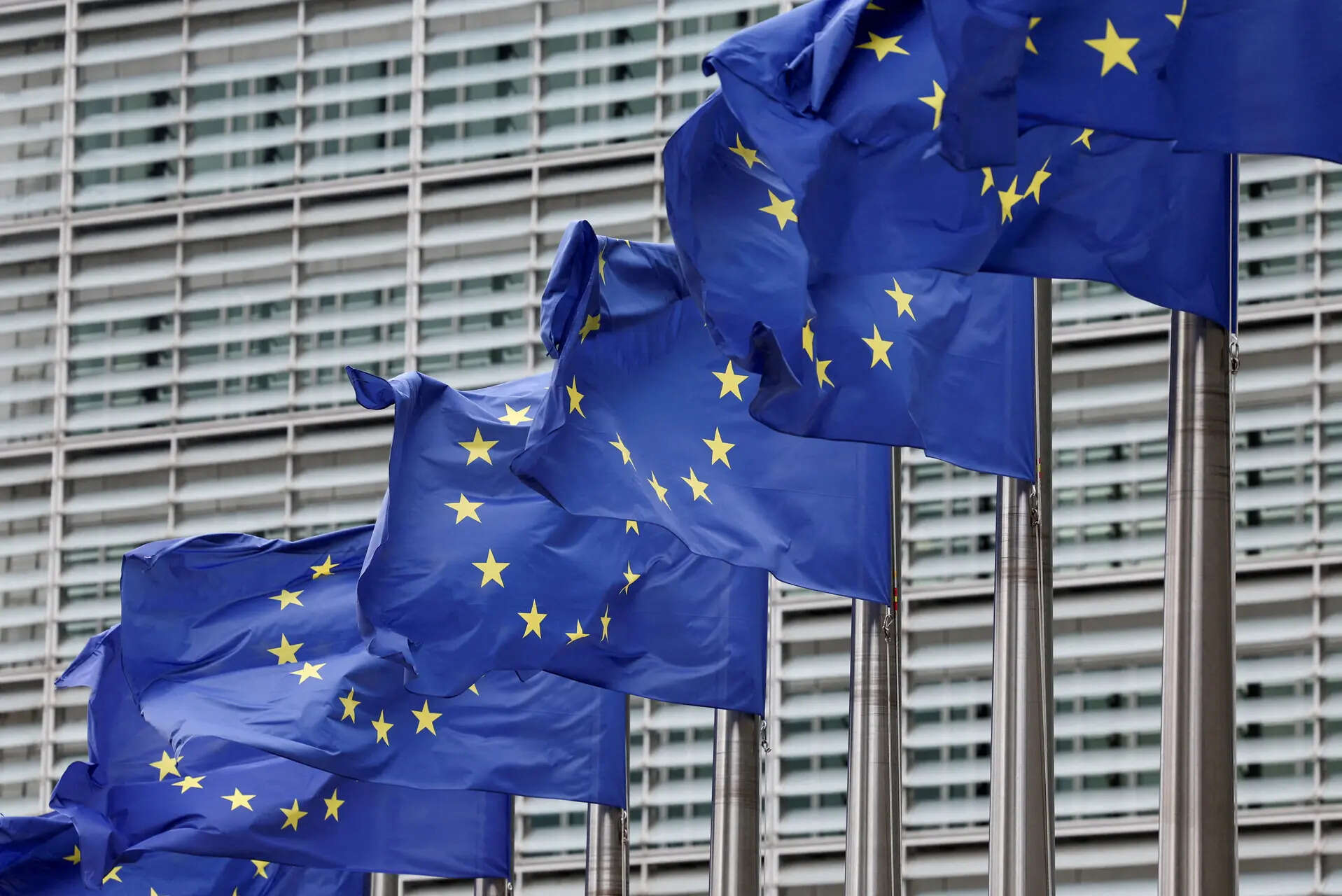
The European Union has established a new team in Brussels to regulate AI companies worldwide, as concerns grow over the risks associated with rapidly advancing technology. The AI Act, set to take effect on Sunday, requires AI companies to label or watermark chatbots and generated imagery, ensuring transparency for consumers. EU Chief for Tech Sovereignty, Henna Virkkunen, emphasized the importance of creating AI that people and businesses can trust and benefit from equally.
The EU's AI regulations also aim to mitigate systemic risks, including chemical, biological, radiological, and nuclear incidents, loss of control, cyber offenses, harmful manipulation, and threats to fundamental rights. This move is part of the EU's broader "tech sovereignty" strategy, which combines digital regulations with economic ambition, resulting in substantial fines for Big Tech companies and significant investment in AI infrastructure across the bloc.
The newly formed AI team in Brussels will monitor AI companies, including major players like OpenAI and DeepSeek, and enforce compliance with the AI Act, which may result in fines or exclusion from the EU market for non-compliant firms. The EU aims to reduce its dependency on American and Chinese software and hardware companies while fostering domestic industries and forging new trade agreements to promote economic nationalism.
Written by urgent.news from Economic Times Tech's reporting — not their text. Machine-written — may contain errors; check the original before relying on it.