Reporter’s notebook: In Dubai’s sun and sand, AI, server farms, and optimism bloom
Walking around Dubai, it’s hard to believe a war is still going on in neighboring countries. No missiles have struck the city, and it was clear during a recent visit that local residents are keeping to their routines. The biggest public worry, as it has been in many parts of the world, is the extreme heat. (The high today is around 106 degrees.) Dubai, one of seven emirates in the United Arab…
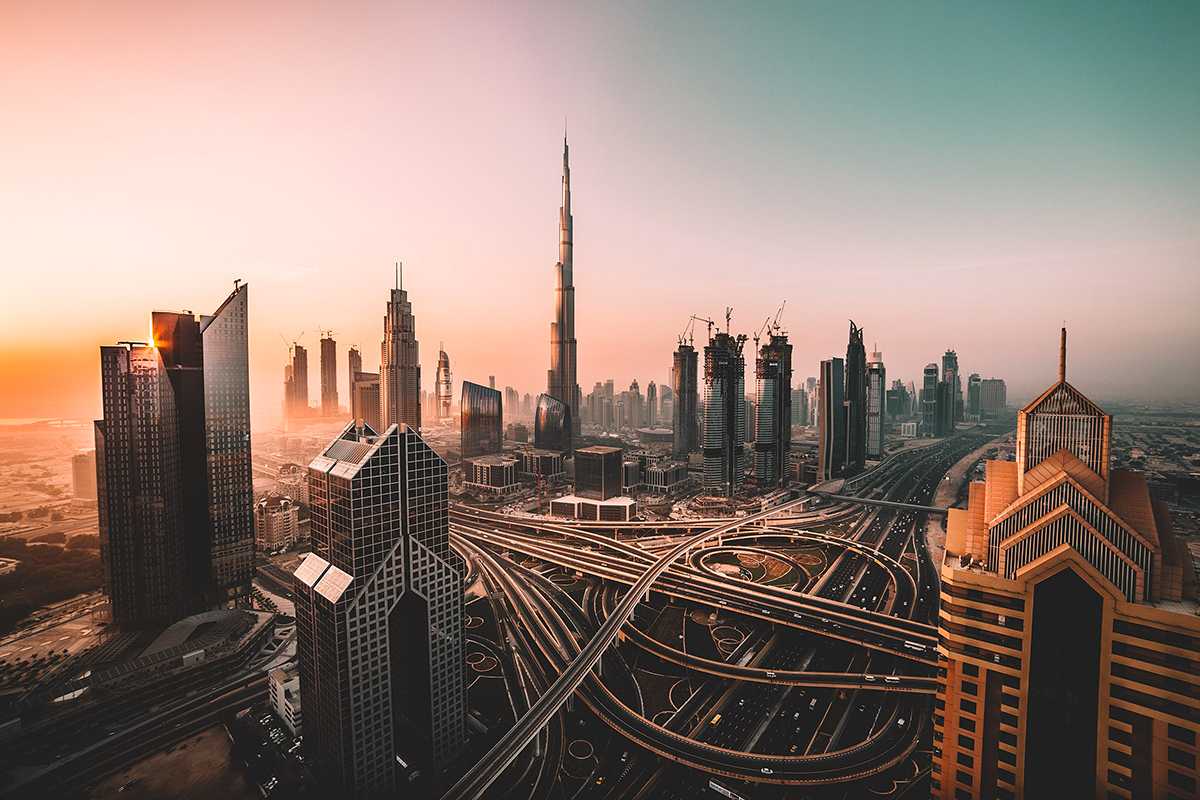
In the heart of Dubai, an oasis in a region marred by conflict, the city remains resilient and bustling with tech-driven optimism. Despite the ongoing war in neighboring Iran, Dubai's residents continue their daily routines, with the extreme heat being their primary concern. Known for its sweltering temperatures, with today's high reaching 106 degrees, Dubai is rapidly establishing itself as a global tech hub and a strong contender in the AI industry.
The United Arab Emirates (UAE), of which Dubai is a part, consists of seven emirates, each with its own traditions and laws. Among these, Dubai and Abu Dhabi, the capital, are the most prominent. The UAE has garnered international recognition, with the US sending a CIA spy to evaluate one of the UAE's top AI firms, sparking interest in potential chip and AI deals.
Dubai's strategic location makes it an ideal place for businesses, connecting Asia, Europe, and Africa. In contrast to the US, which has placed a moratorium on data center construction in certain states, the UAE is aggressively investing in AI data center buildouts. Stargate UAE, a project involving OpenAI and Oracle, is being built in Abu Dhabi, aiming to monetize Abu Dhabi's abundant energy resources through AI token generation.
This strategy could prove more reliable in the long run, given the volatility of oil markets and the increasing popularity of renewables.
The entrepreneurial spirit in Dubai is evident, as technological innovations from local entrepreneurs have become integral to daily life. UAE companies focus more on enhancing user experiences rather than emphasizing AI models and superintelligence. This approach differs from their Chinese counterparts, who have already integrated AI into various aspects of their society. Dubai is also making strides in autonomous transportation, with robotic air taxis set to launch this year.
However, the Iran war has adversely affected Dubai's Internet City, a hub for major tech companies like Microsoft, Oracle, and IBM. With the departure of foreign tech workers and a decline in property prices, the real estate market has seen a boom as opportunistic investors capitalize on the situation. Attracting money from Western countries, which impose heavy taxes, Dubai's tax-free environment is becoming increasingly appealing to tech founders.
Additionally, Dubai is opening its doors to digital nomads and freelancers, offering lower rent and healthcare costs compared to the US.
Despite the competition from Saudi Arabia, another rising tech powerhouse, Dubai continues to attract business due to its attractive business environment, skilled labor force, and local infrastructure. While the UAE relies heavily on immigrants and human labor, which can be both an advantage and a challenge, it remains resilient and poised for growth. As one local founder puts it, if the US fails to attract its most talented immigrants, Dubai is eager to welcome them with open arms.
Written by urgent.news from Computerworld's reporting — not their text. Machine-written — may contain errors; check the original before relying on it.