Can we train AI to choose safety over speed?
Delivery platforms use sophisticated weather algorithms to profit from storm demand, while shifting all the physical risk onto workers trapped by pay incentives.
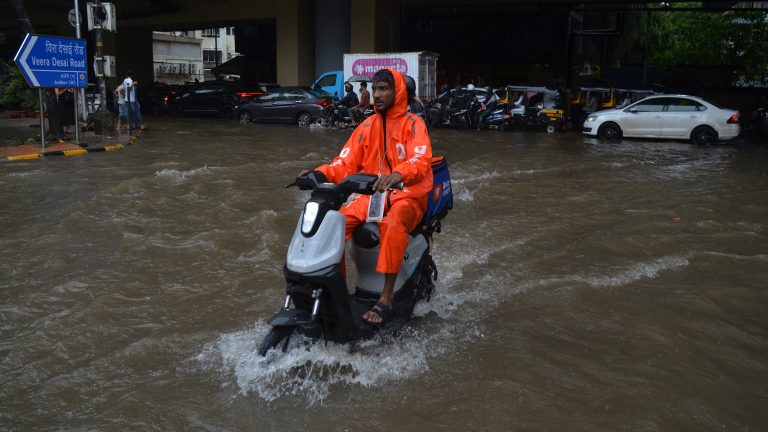
Mumbai's monsoon season is causing flooding on city streets, and quick-commerce platforms are leveraging advanced weather algorithms to detect sudden surges in customer demand. The workers facing knee-deep water are confronted with a dilemma - prioritize their safety or their income. Since 2026, the India Meteorological Department will have incorporated AI into weather forecasting, but delivery platforms have been incorporating weather data for a longer period.
Zomato, for example, uses crowd-sourced data from Weather Union, launched in 2024, and real-time logging by delivery partners. A spokesperson for Eternal, Zomato's parent company, told Rest of World that they immediately alert delivery partners when unsafe conditions are detected. However, assistant professor Prakriti Dasgupta from Maynooth University says that economic pressures drive workers to continue working under potentially hazardous conditions.
A study of 730 delivery workers in India found that many worked through extreme heat because their earnings depended on meeting performance targets. Researchers warn that climate change issues and worker endurance limits are on a collision course. In 2025, Glovo, a food delivery platform in Italy, proposed a heat bonus of 2% to 8%, which was scrapped due to safety concerns.
In the U.S., DoorDash charges customers a "Weather Impact Fee" that goes to the worker, but many platforms don't advertise such payouts. Dynamic pricing, which adjusts based on weather, often leads to increased workloads and risks for delivery workers. Nitesh Kumar Das, secretary of India's Gig Workers Association, told Rest of World that weather is factored into demand forecasting and pricing, but not enough for workload or safety adjustments.
Areas with severe flooding or weather warnings should be temporarily unserviceable, similar to how airlines suspend flights or municipalities halt public transport under hazardous conditions. Experts warn that the regulatory conversation must not be postponed, as the systems designed now will determine if algorithmic management exacerbates climate risks or mitigates them.
Written by urgent.news from Rest of World Tech's reporting — not their text. Machine-written — may contain errors; check the original before relying on it.