Nasa launches new space telescope able to see 100 times more than Hubble
The US space agency's telescope is starting a multi-year mission to create a new map of the universe and learn more about dark energy and dark matter.
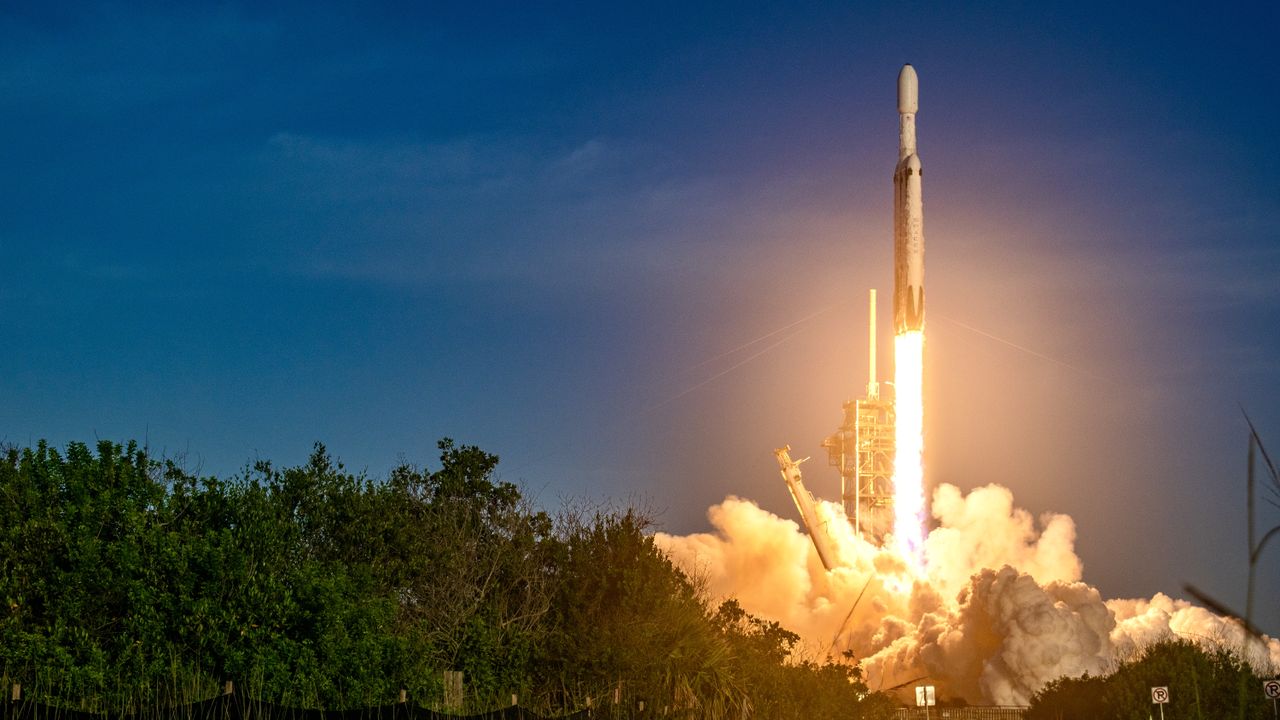
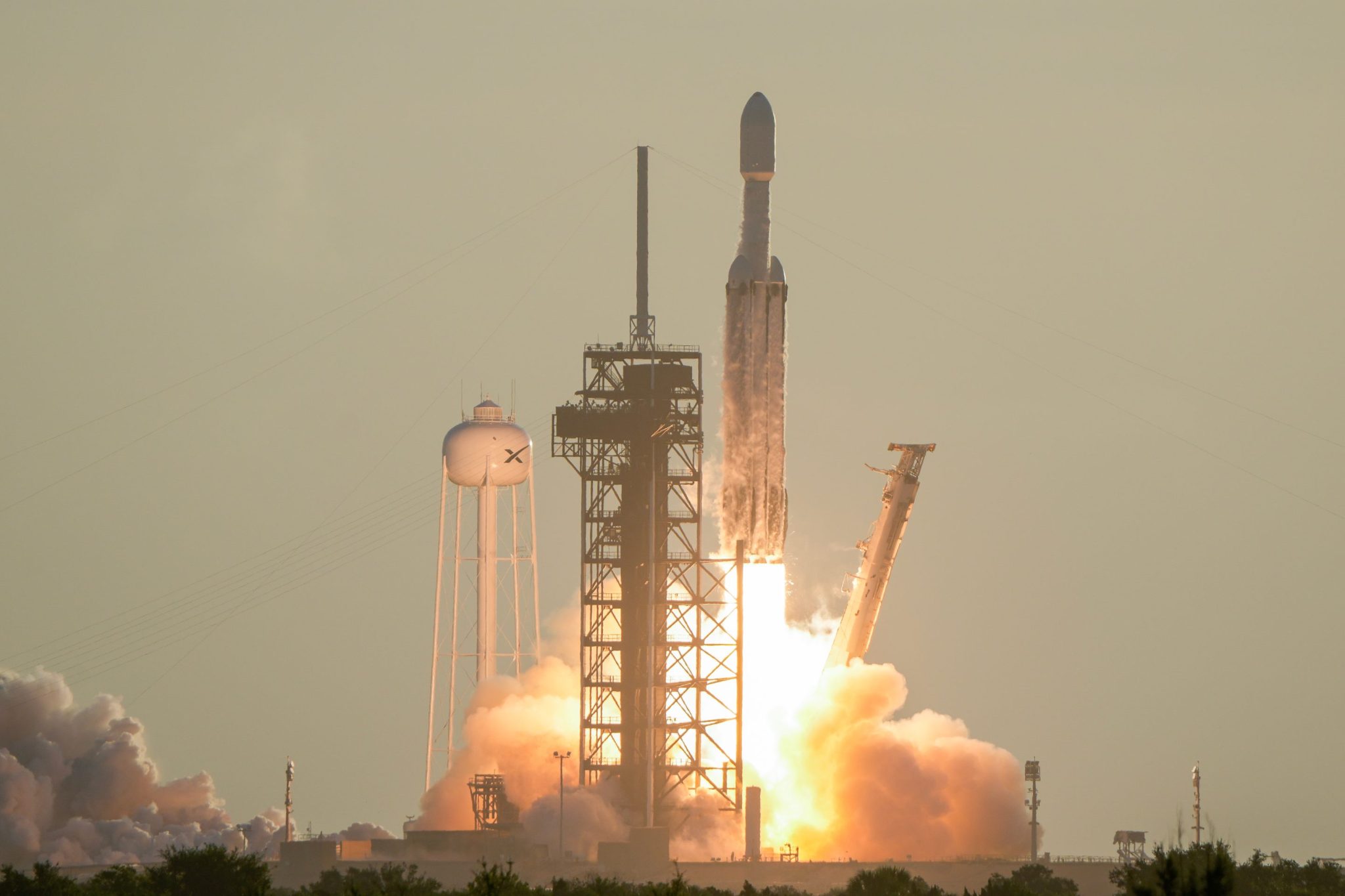
NASA's latest space telescope, known as the Nancy Grace Roman telescope, soared into space from Florida on Sunday morning. The telescope, named after the first female executive of NASA's first chief astronomer in the 1960s, bears the goal of exploring various celestial phenomena, including dark energy and black holes.
The Roman telescope boasts a field of vision that is 100 times larger than both the Hubble and James Webb space telescopes. Once it reaches its position approximately one million miles from Earth, it will begin its mission of studying exoplanets, which are planets outside our solar system. The mission is expected to last five years, with an objective of operating for up to ten years.
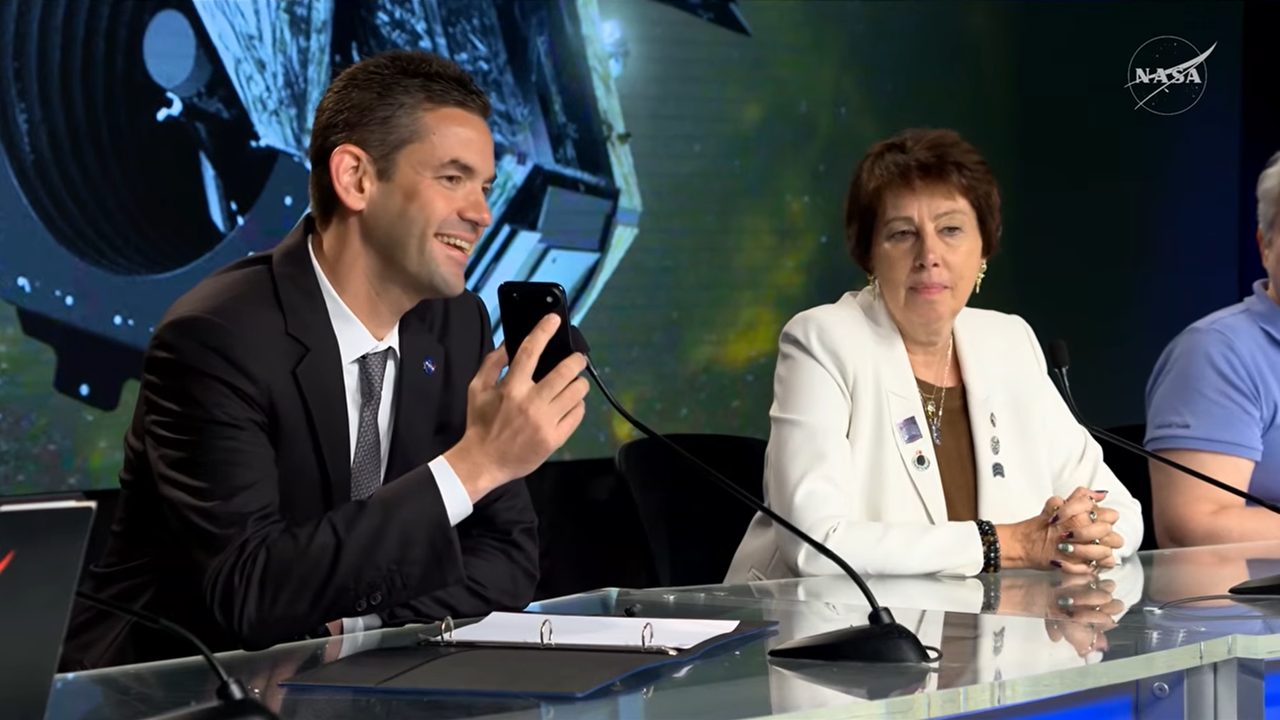
The successful launch, witnessed by NASA Administrator Nicky Fox, US President Donald Trump, and other officials, was described as a "glorious dawn" by Jackie Townsend, a project manager on the Roman telescope. The telescope is now heading towards its orbiting point, which is about four times further from Earth than the Moon, to ensure that infrared light from the Moon and Earth does not interfere with its cameras.
NASA's James Webb Space Telescope, launched in 2021, also orbits the Sun at the same distance as the Roman telescope but covers a smaller field of vision. The Hubble Space Telescope, launched in 1990, orbits at around 300 miles above Earth's surface. While the Roman telescope will focus on the universe's outer regions, scientists anticipate it to discover thousands of new worlds within our own galaxy.
The telescope, named after physicist Nancy Grace Roman, is anticipated to revolutionize our understanding of the cosmos, including the investigation of dark energy. Its five-year primary lifespan aims to provide crisp, sweeping surveys of the universe, allowing scientists to explore dark matter, discover and characterize exoplanets, map billions of galaxies, study black holes, and investigate objects from our solar system to the edge of the observable universe.
Written by urgent.news from BBC World's reporting — not their text. Machine-written — may contain errors; check the original before relying on it.
This story
This is one outlet's version. Read the fullest account.
- NASA’s Roman Telescope Takes Aim at Cosmic Mysteries bloomberg.com
- NASA’s Roman Space Telescope Launches on Mission to Probe Hidden Universe sci.news
- NASA launches new space telescope france24.com
- NASA launches Roman telescope on cosmic mapping mission nst.com.my
- NASA's Nancy Grace Roman Space Telescope Launches to Find Exoplanets and Unravel Mysteries of Dark Matter and Dark Energy smithsonianmag.com
- NASA's Roman Telescope Could Unravel the Mysteries of Dark Energy and Dark Matter discovermagazine.com
- Nasa launches Roman telescope on cosmic mapping mission freemalaysiatoday.com