NASA's Nancy Grace Roman Space Telescope Launches to Find Exoplanets and Unravel Mysteries of Dark Matter and Dark Energy
The new observatory will complete three surveys of the universe in five years, although it's designed to function at least twice as long. Its data could change scientists' basic understanding of the cosmos
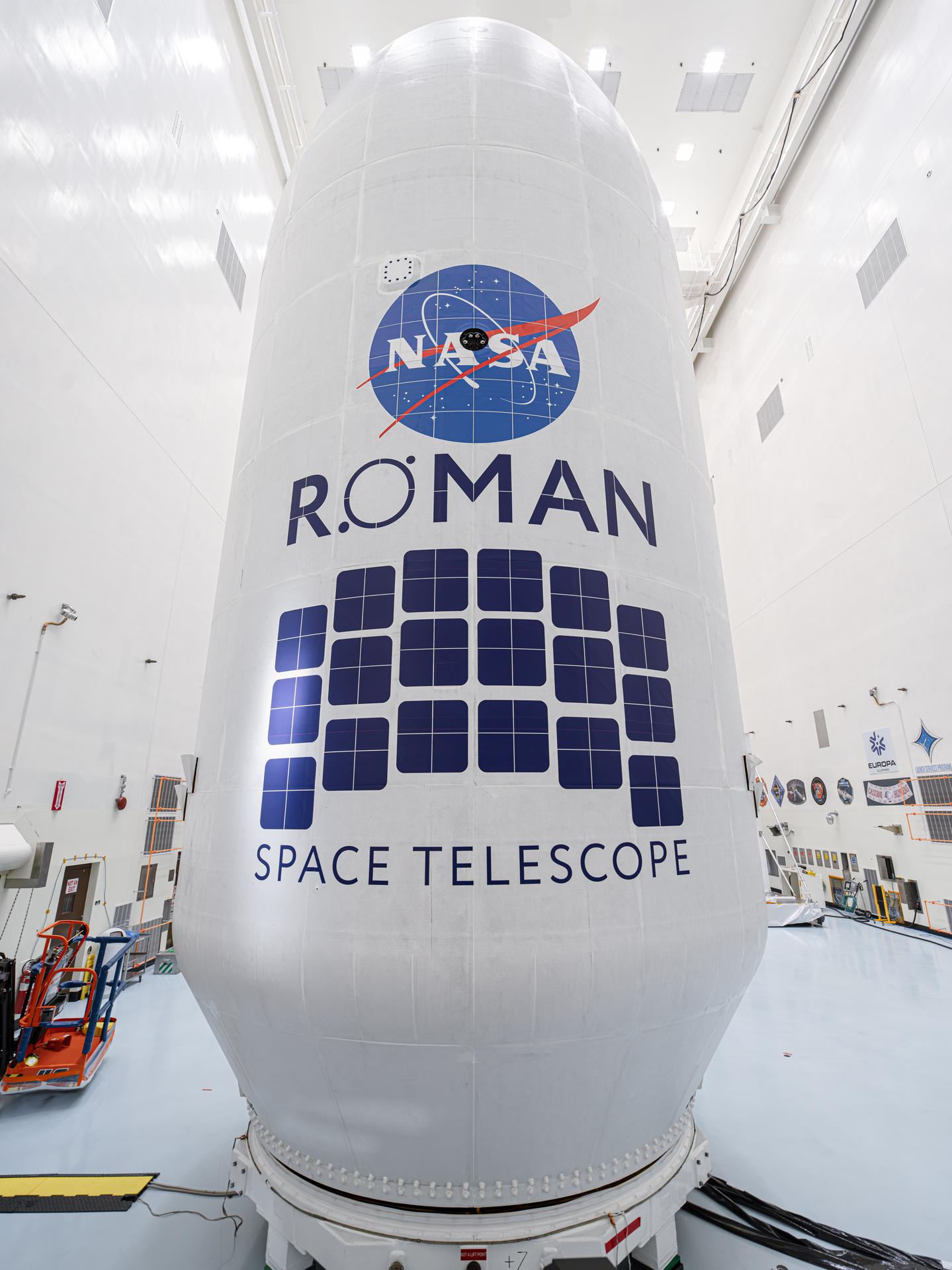
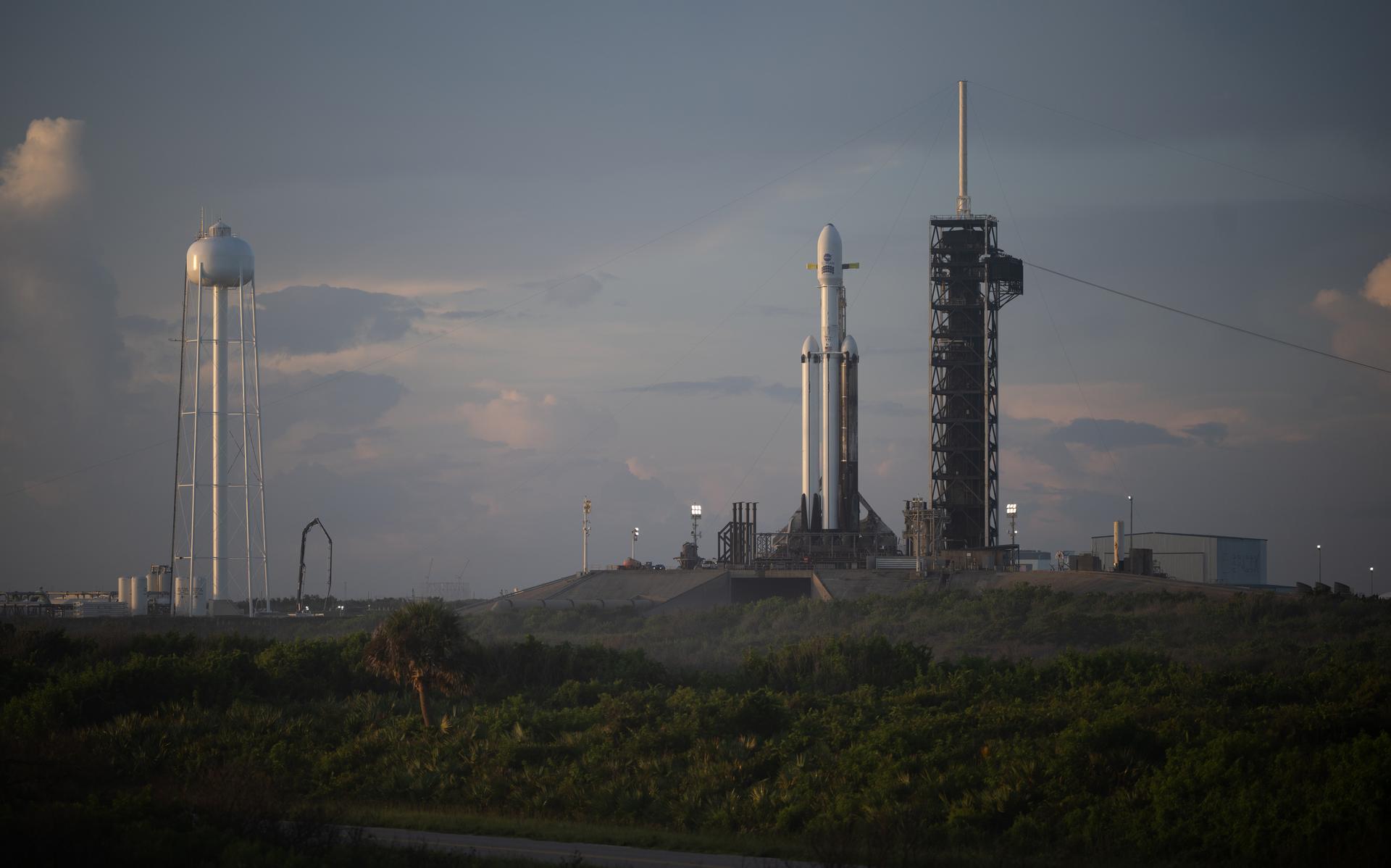
On August 30, NASA launched the Nancy Grace Roman Space Telescope atop a SpaceX Falcon Heavy rocket from Florida's Kennedy Space Center. The telescope aims to study the universe's expansion, exoplanets, and dark matter and dark energy over the next five years. Named after NASA's first chief of astronomy, Nancy Grace Roman, the observatory is an 18,000-pound, 42-foot-long structure that will map one-eighth of the sky, capturing data on over a billion galaxies.
Its primary goal is to create a comprehensive survey of the universe, which will help address questions about celestial objects and the structure of the cosmos. The Roman Space Telescope features a 300-megapixel Wide Field Instrument capable of infrared light and 100 times larger field of view than Hubble. In addition to its main survey, the telescope will observe stellar explosions, galactic cores, and exoplanet companion stars.
With a total budget of $4.3 billion, the Roman Space Telescope is expected to provide groundbreaking discoveries and complement the Vera C. Rubin Observatory.
Written by urgent.news from Smithsonian's reporting — not their text. Machine-written — may contain errors; check the original before relying on it.
Also reported by 7 other outlets
- NASA’s Roman Telescope Takes Aim at Cosmic Mysteries bloomberg.com
- NASA’s Roman Space Telescope Launches on Mission to Probe Hidden Universe sci.news
- NASA launches new space telescope france24.com
- NASA launches Roman telescope on cosmic mapping mission nst.com.my
- Nasa launches new space telescope able to see 100 times more than Hubble bbc.co.uk
- NASA's Roman Telescope Could Unravel the Mysteries of Dark Energy and Dark Matter discovermagazine.com
- Nasa launches Roman telescope on cosmic mapping mission freemalaysiatoday.com