SpaceX launches NASA’s newest crown-jewel telescope, which will look for ‘the weird, the rare and the unusual’ — including dark matter and energy
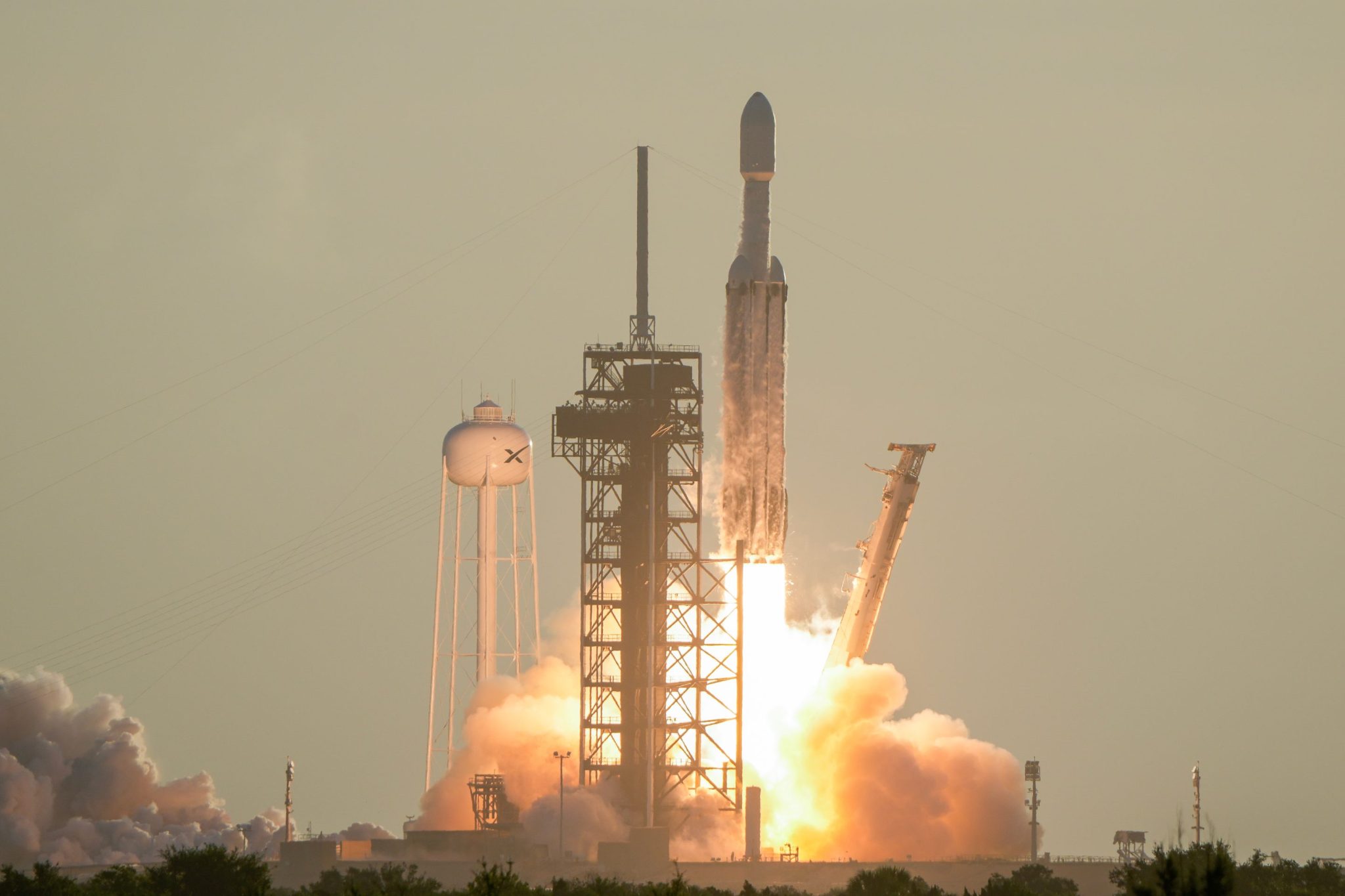
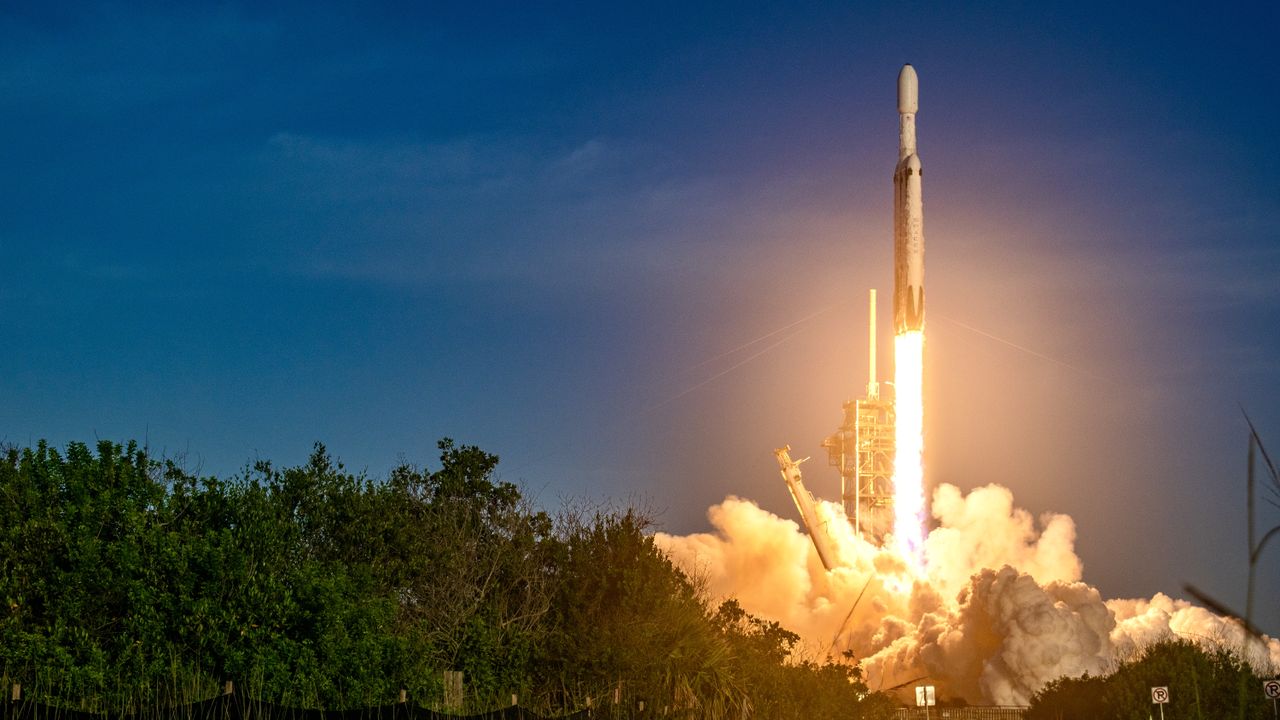
On Sunday, NASA's newest and most advanced space telescope, the $4.3 billion Roman Space Telescope, launched into orbit aboard a Falcon Heavy rocket. Named after the late Nancy Grace Roman, who served as NASA's first chief astronomer, the telescope is equipped to explore the most obscure and enigmatic aspects of the universe, including dark matter and dark energy.
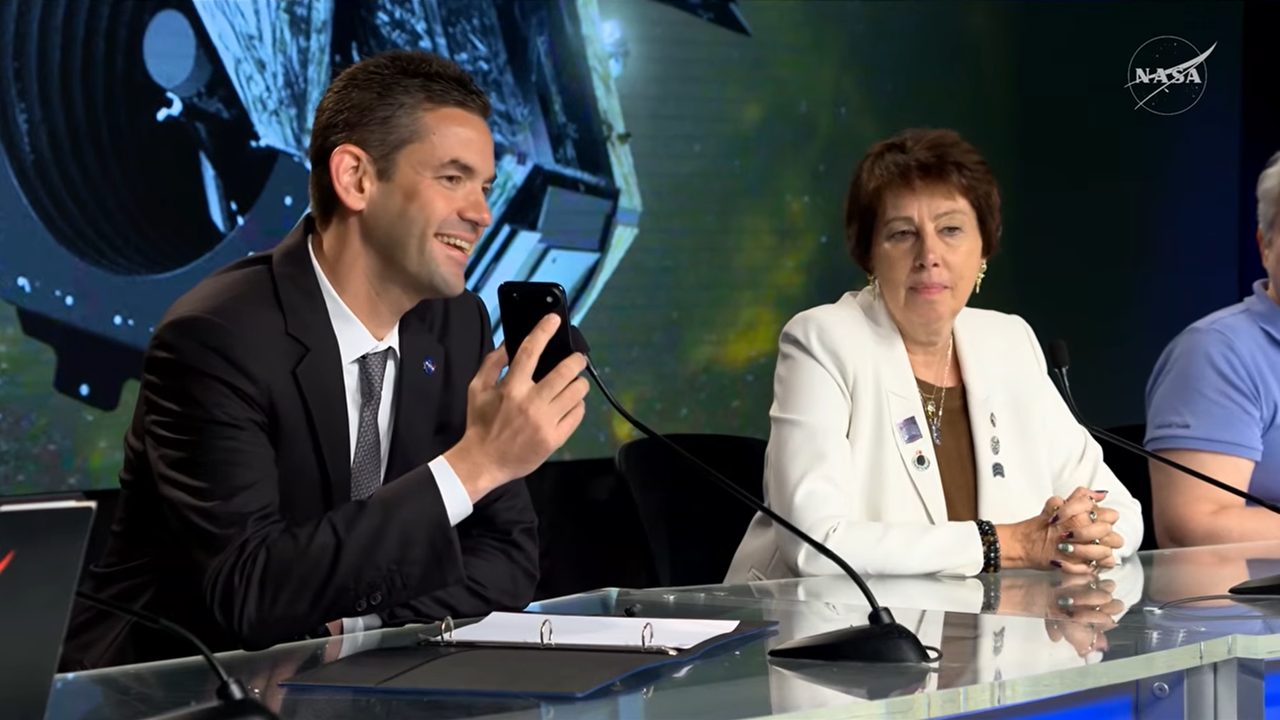
The Roman Space Telescope will orbit 1 million miles away, where it will take more than three months to reach its destination. Once there, it will survey the cosmos like never before, uncovering thousands of supernovae, tens of thousands of planets, billions of galaxies, and tens of billions of stars. NASA's science mission director, Nicky Fox, expressed her excitement over the telescope's capabilities, stating that it will be able to do things that have never been possible before with its massive field of view.
The telescope will be faster than Hubble, scanning the sky 1,000 times quicker and completing the same tasks in a fraction of the time. It will also be the widest-field infrared camera, capable of capturing images 100 times wider than Hubble's. Additionally, Roman will feature an experimental coronagraph that will allow it to directly image planets orbiting distant stars, even the faintest ones.
The launch of the Roman Space Telescope was a significant event, with President Donald Trump congratulating NASA Administrator Jared Isaacman on Twitter following a visit to NASA's Johnson Space Center. Fox was visibly emotional during the launch, and NASA's senior project scientist Julie McEnery described Roman's vast field of view as allowing them to find the "weird, the rare and the unusual."
The telescope's primary mirror was repurposed from surplus spy satellite components, making it a unique and fitting tribute to one of NASA's most influential figures.
Written by urgent.news from Fortune's reporting — not their text. Machine-written — may contain errors; check the original before relying on it.
Also reported by 1 other outlet
- SpaceX, NASA postpone Crew-13's ISS mission due to spacecraft leak seekingalpha.com