'What a glorious dawn launch': Why the Roman Space Telescope's picture-perfect liftoff beyond Earth is such a big deal
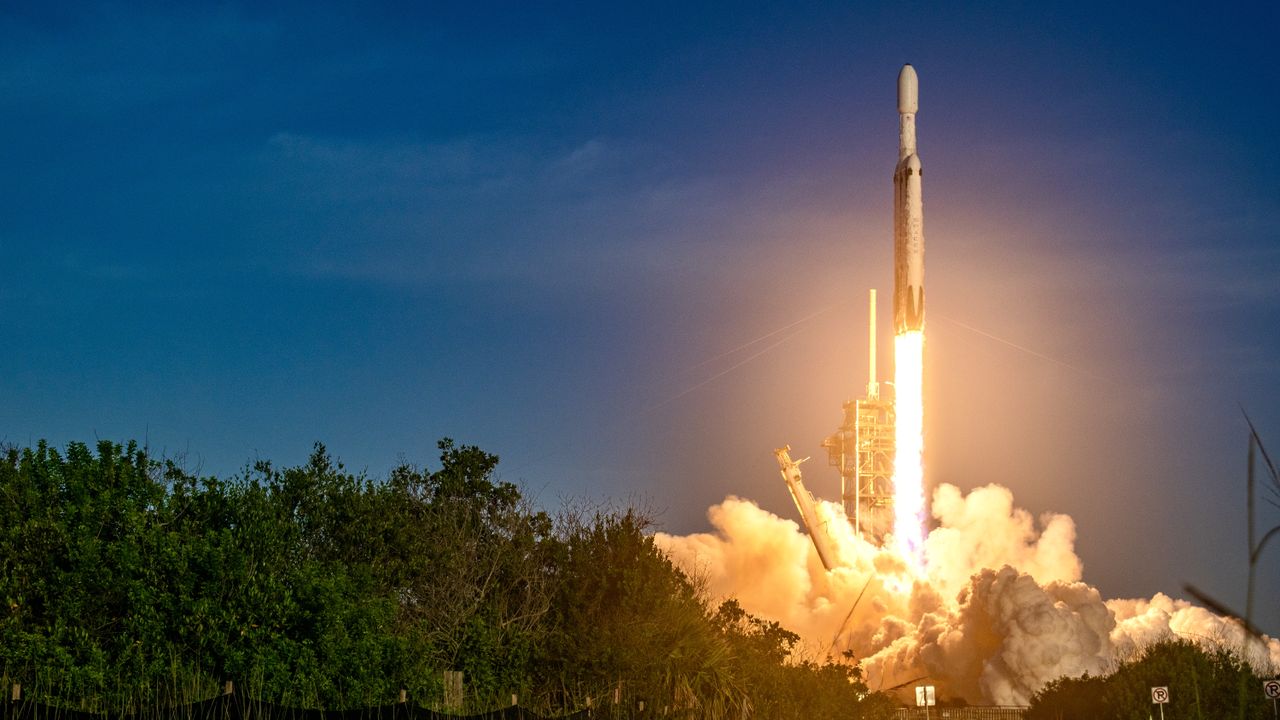
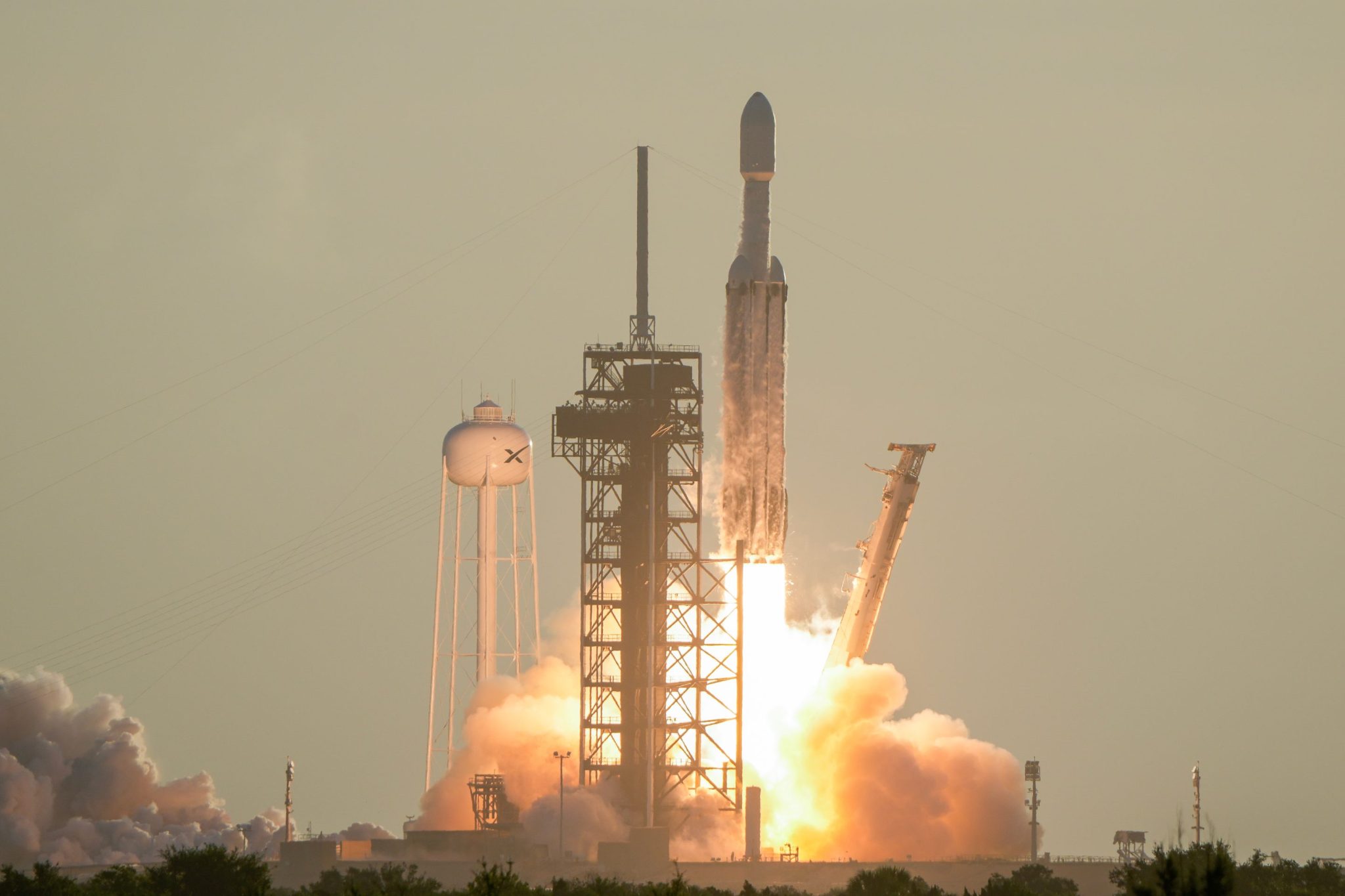
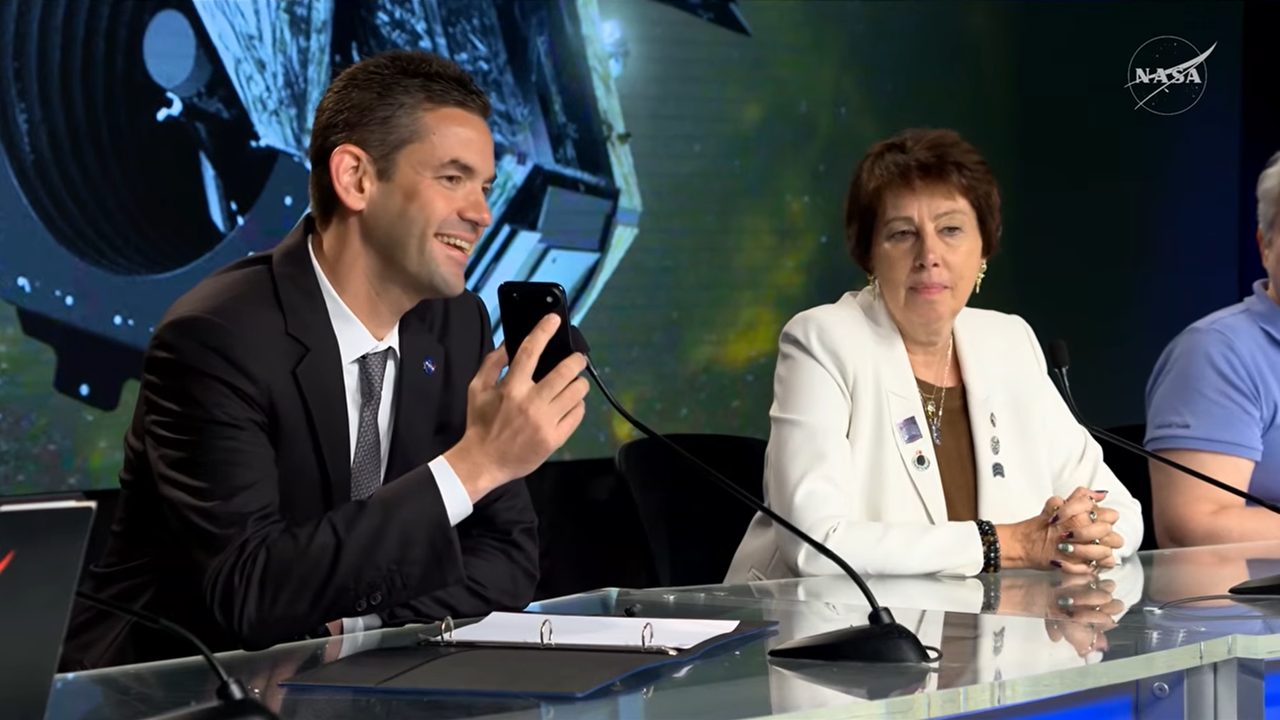
On a bright and sunny morning in Florida, the Roman Space Telescope embarked on its journey beyond Earth, illuminating the sky with its glorious launch. Project manager Jackie Townsend described the launch as magnificent and stated that all deployments went according to plan.
The Roman Space Telescope, propelled by a SpaceX Falcon Heavy rocket, launched at 7:26 a.m. EDT (1126 GMT), commencing its mission to revolutionize our understanding of the universe. The telescope, equipped with two key instruments - the Wide Field Instrument (WFI) and the Coronagraph Instrument - will capture vast sections of the cosmos and image exoplanets with unprecedented clarity.
With its WFI, Roman will process immense amounts of data to survey wide areas of space, generating 500 terabytes of data annually compared to the Hubble Space Telescope's 400 terabytes over 35 years. The telescope will also observe the infrared spectrum, enabling it to view objects obscured by interstellar dust and gas from distant galaxies.
Roman's coronagraph, a first-of-its-kind in space, will actively adjust to block out starlight, revealing exoplanets similar to the Voyager spacecraft's iconic "Pale Blue Dot" image of Earth. The telescope will primarily search for Jupiter-like worlds around other stars, aiming to answer fundamental questions about our universe, such as the cause of the "Hubble tension" and whether we are alone.
Following a 90-day commissioning period, Roman will begin transmitting images and data back to Earth, contributing to groundbreaking discoveries and captivating visuals alongside other space telescopes like the James Webb Space Telescope, which is also stationed at the sun-Earth Lagrange Point 2.
Written by urgent.news from Space.com's reporting — not their text. Machine-written — may contain errors; check the original before relying on it.
This story
This is one outlet's version. Read the fullest account.