NASA telescope is plunging back to Earth after 22 years in orbit
The Swift Observatory is barely clinging to space after a failed rescue effort left it tottering lower and lower.
What's breaking now, across hundreds of outlets.
Monday, 2 November 2026
12 stories · 9 sources
No grouped briefing was written for this day. These are its stories, most widely covered first.
The Swift Observatory is barely clinging to space after a failed rescue effort left it tottering lower and lower.
US President Donald Trump, however, later on Saturday said it remained unclear whether North Korea was involved
For decades, discussions and decisions about access to contraception, abortion, maternal health care, HIV prevention and treatment, comprehensive sexuality education, gender equity and protection from sexual violence have largely flowed in one direction: from the Global North to the Global South.
When assessing where another person is looking, human beings use a variety of visual cues. A new study shows that the tiny reflections of light bouncing off the surface of the eye help us accurately track gaze direction.
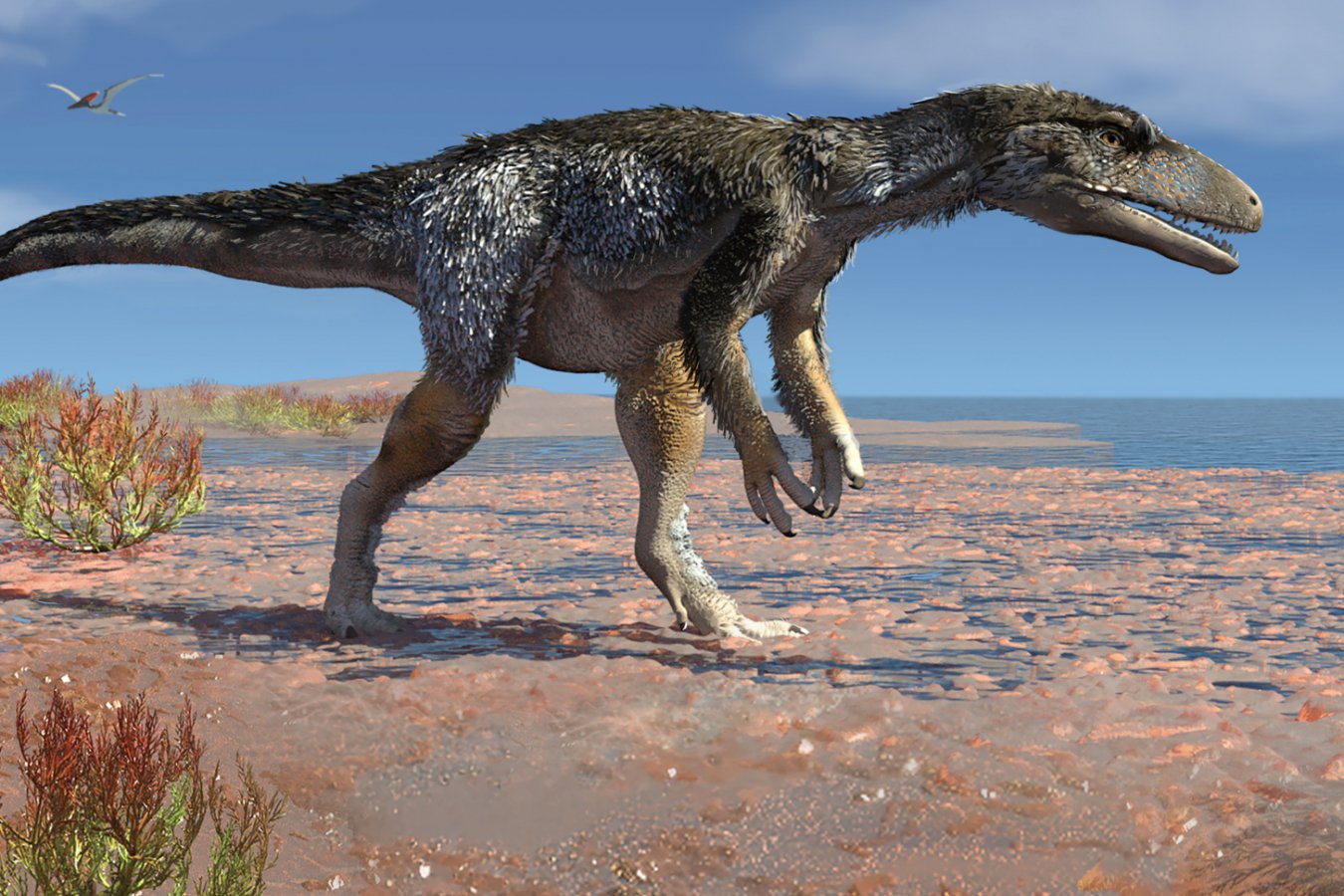
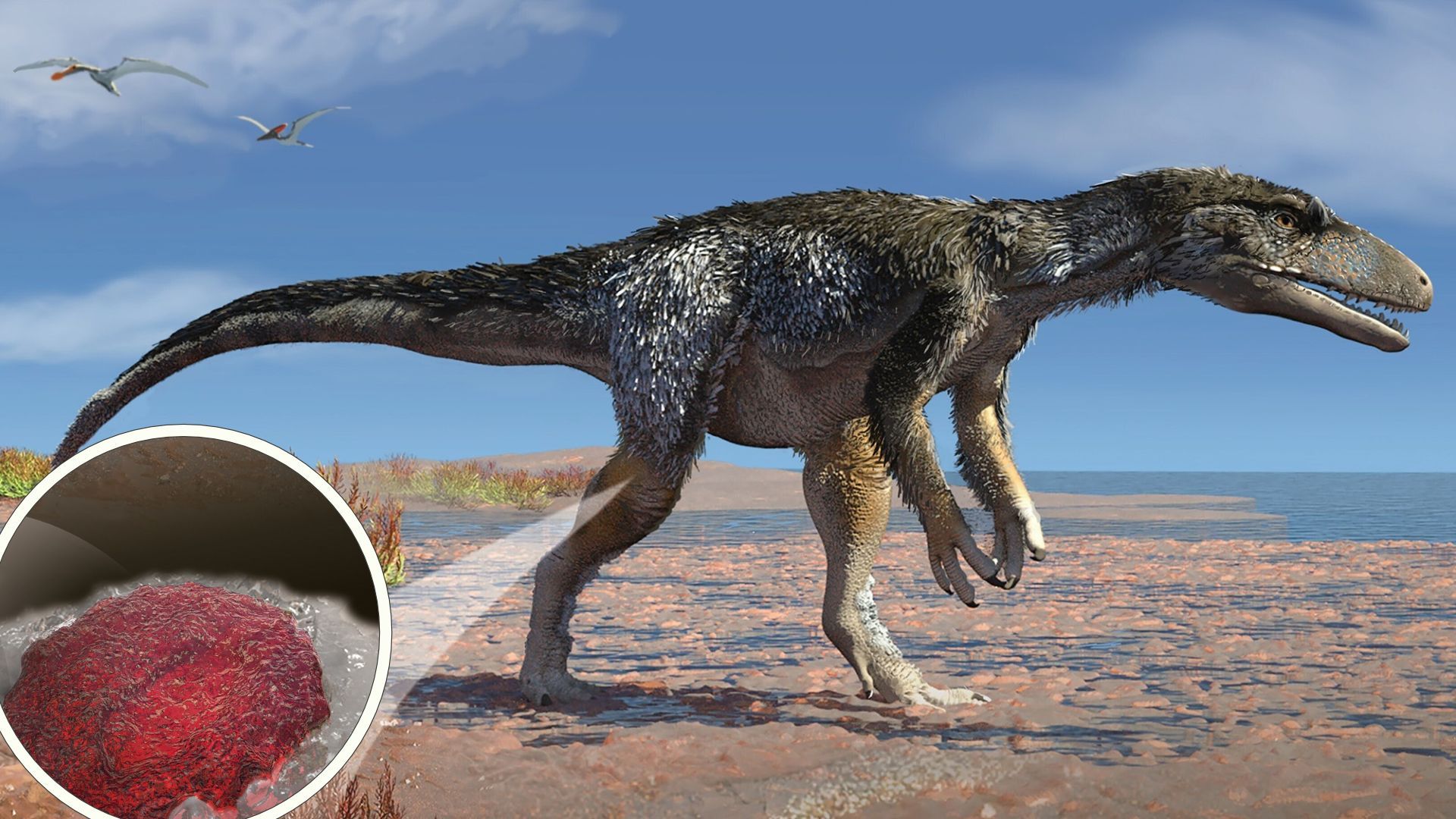
A bit of leg bone from an Aratasaurus dinosaur fossil collected in Brazil has preserved abundant 3D red blood cells in stunning detail
Chemical signatures found in a Brazilian dinosaur bone may be preserved red blood cells, a new study suggests, but not all experts agree.
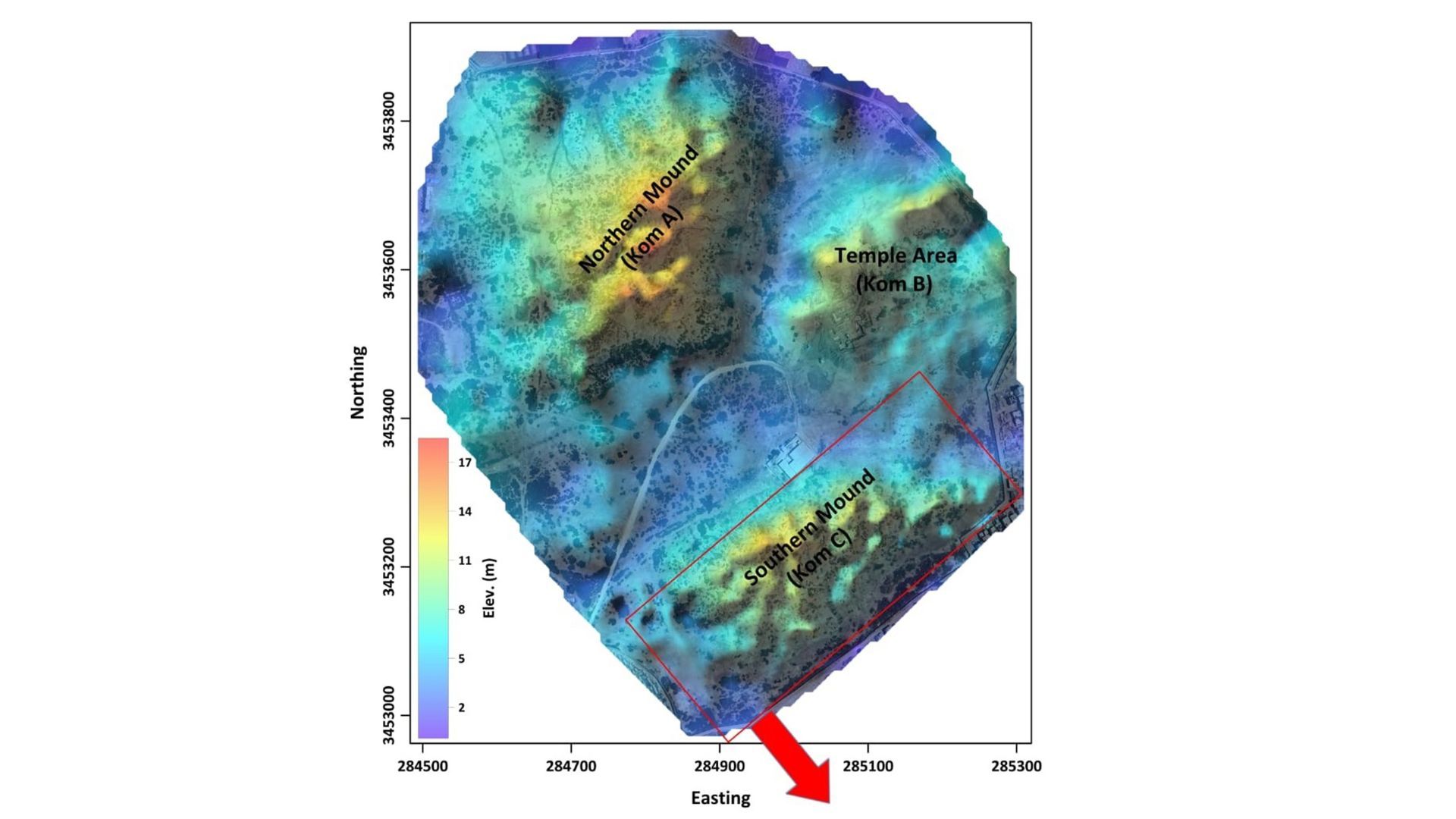
Satellite radar and underground electrical scans have revealed a 2,600-year-old structure at Buto, one of ancient Egypt's most sacred cities. The real surprise wasn't the walls — but what was underneath them.
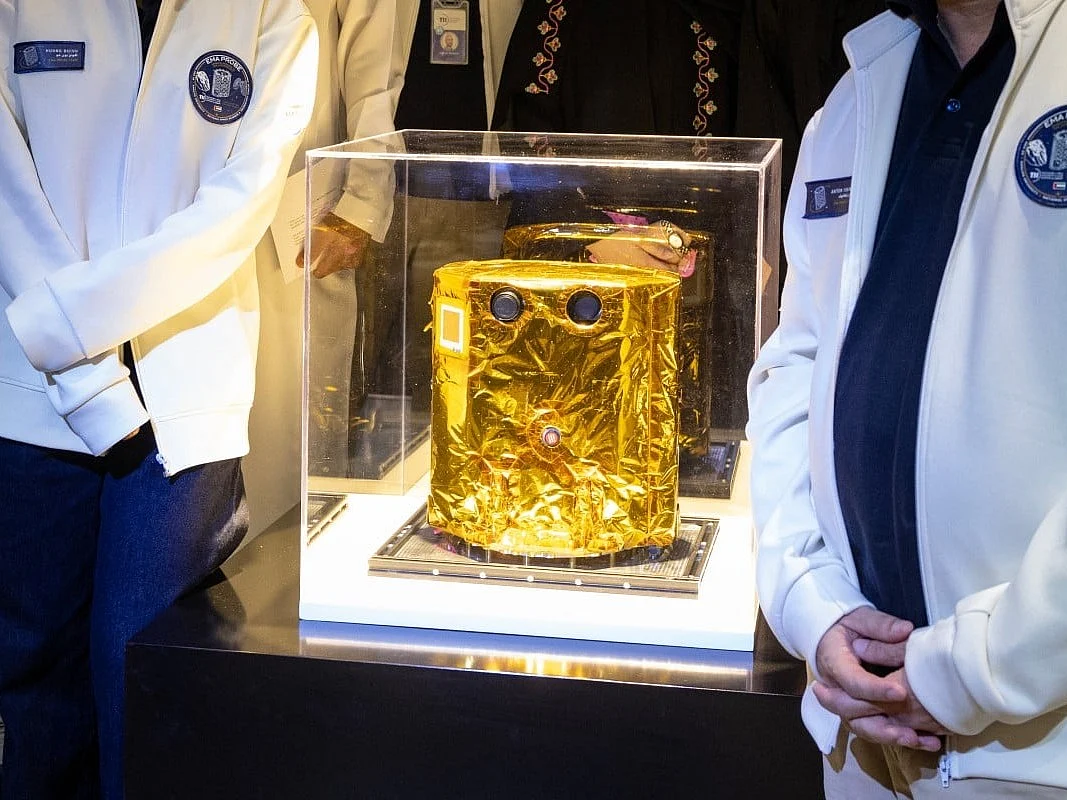
UAE Space Agency on track for Asteroid Belt mission launch in Q1 2028
The findings are another clue towards understanding the origins of 3I/ATLAS and the planet-forming conditions around other stars.
A federal judge in Brazil’s Mato Grosso state has ordered individuals, along with their employees, animals, machinery, equipment and movable property, to leave the Piripkura Indigenous Territory within 120 days. The Oct.
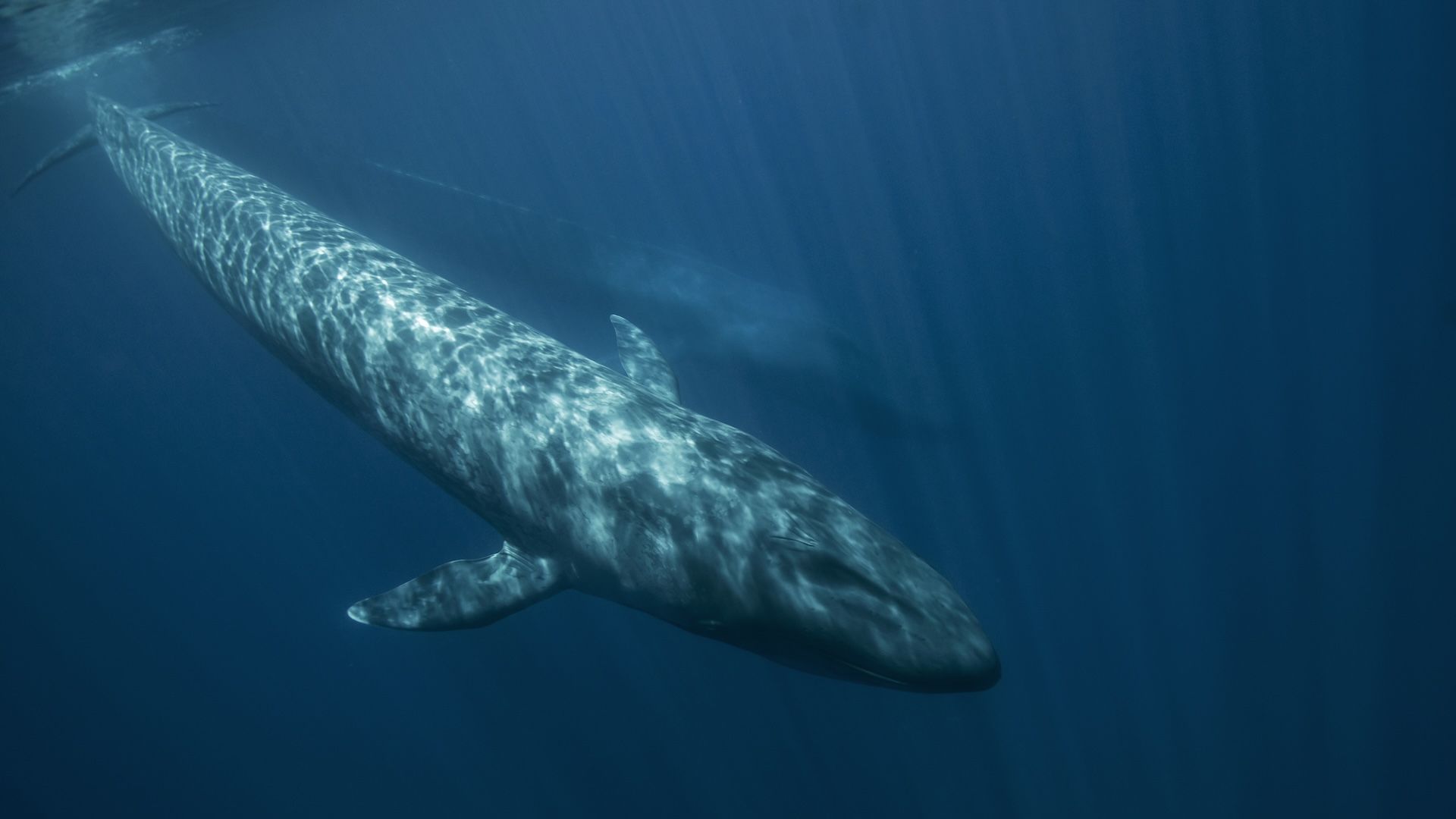
Blue whale sightings have fallen off dramatically near the Galápagos. El Niño may be to blame.
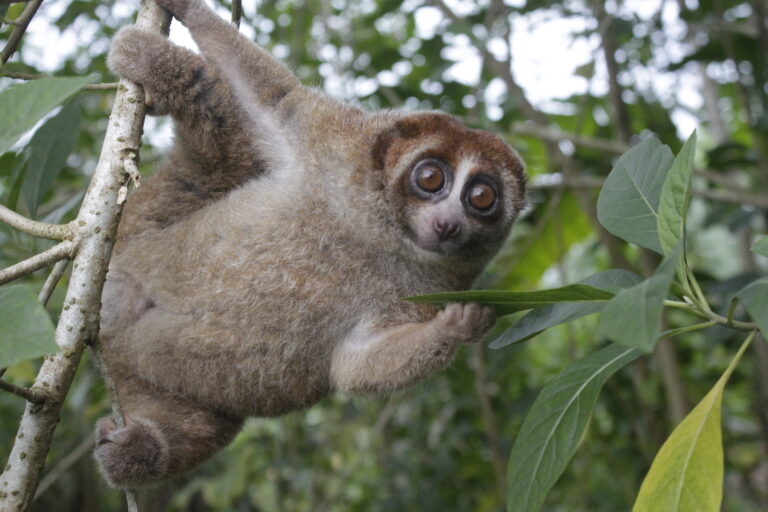
A small, venomous primate that scientists thought had gone extinct still survives on Indonesia’s Bangka Island, and to the communities there was never really “lost,” according to a recent study. The Bangka slow loris (Nycticebus bancanus), native to parts of Borneo and the island of Bangka, was declared critically endangered, and possibly…