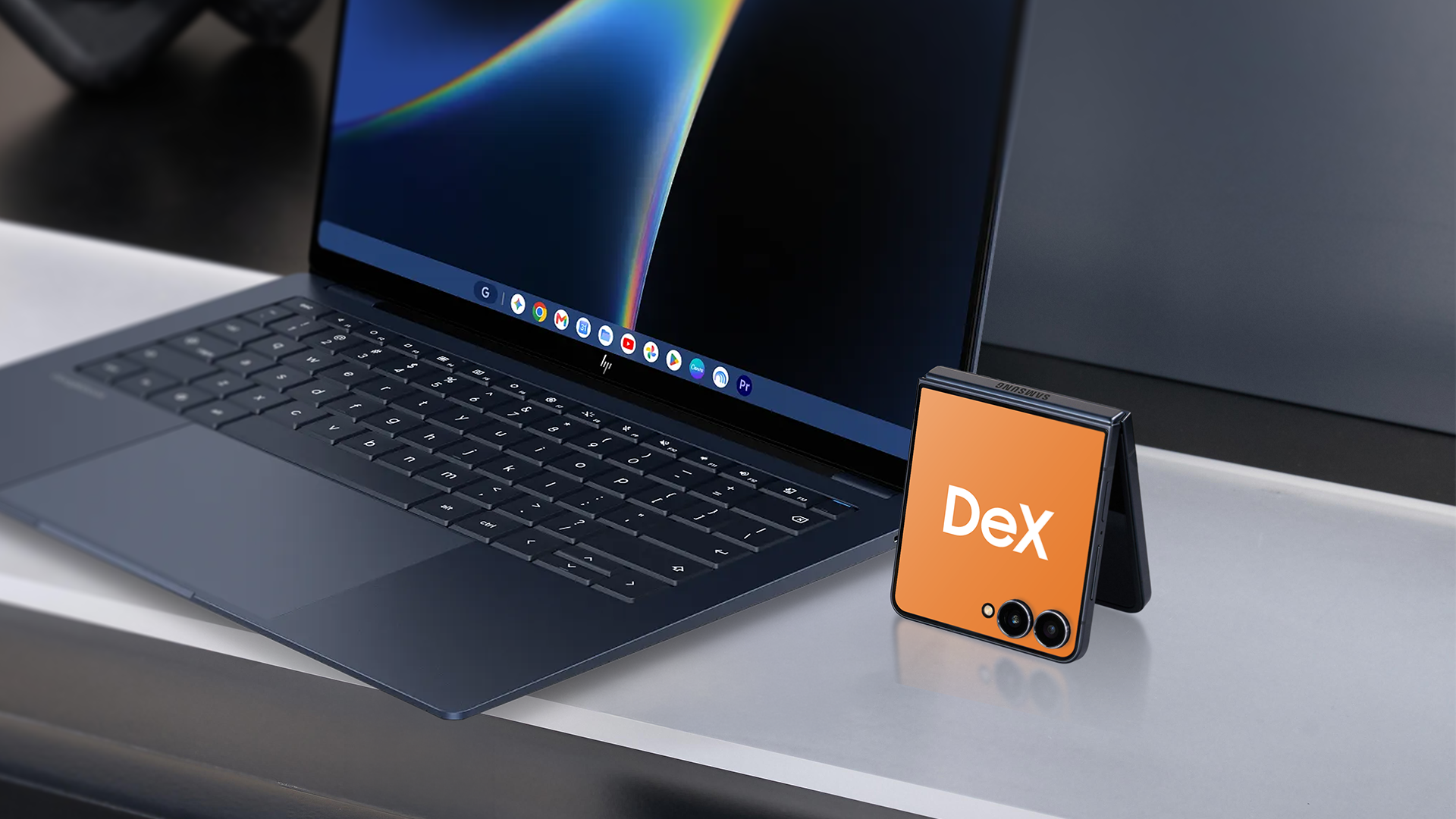
I compared Googlebook and Samsung DeX; Galaxy users have little reason to switch
Early reviews say Googlebook OS feels like a Pixel on a bigger screen.
What's breaking now, across hundreds of outlets.
Sunday, 1 November 2026
12 stories · 11 sources
No grouped briefing was written for this day. These are its stories, most widely covered first.
Early reviews say Googlebook OS feels like a Pixel on a bigger screen.
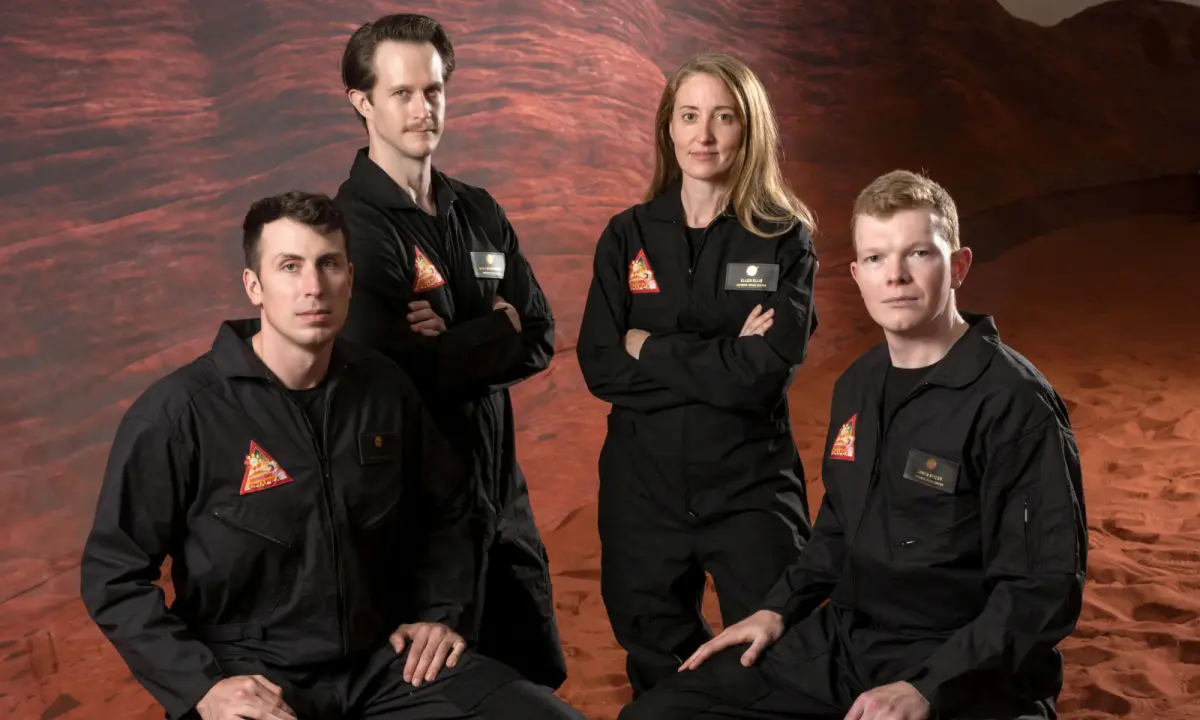
The four members of a crew who took part in a simulated mission to Mars have emerged after 378 days in isolation at the US space agency’s Johnson Space Centre in Houston, an endeavour designed to help prepare for a possible future excursion by Nasa astronauts to Earth’s planetary neighbour.
Dr Marta Shahbazi was travelling to a conference to receive an award for scientific excellence in developmental biology An “inspiring” University of Cambridge scientist died in the Spanish train collision on Wednesday which killed at least 69 people.
As Kimi Antonelli becomes F1's youngest world champion, we look at how his achievement compares with some of the drivers who previously held the record.
A ten-year study of short-nosed bandicoots found their family tree is more complicated than we thought.
Parkinson's disease (PD) remains highly challenging to model in vitro, particularly when seeking robust functional phenotypes for target discovery. Patient-derived induced pluripotent stem cell dopaminergic neurons (iPSC-DANs) offer a promising platform to address this challenge.
Each of Earth's hemispheres experiences summer, but how do they differ?
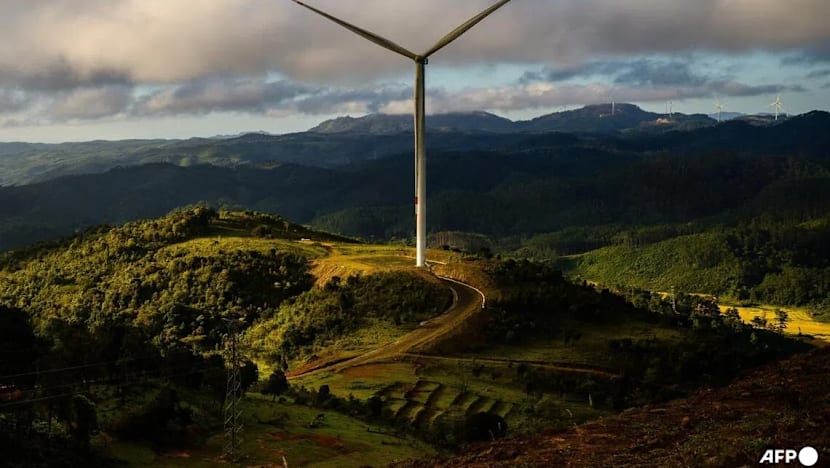
Hydroelectric dams have proliferated across Southeast Asia in recent years but experts say wind energy is now set to take off.
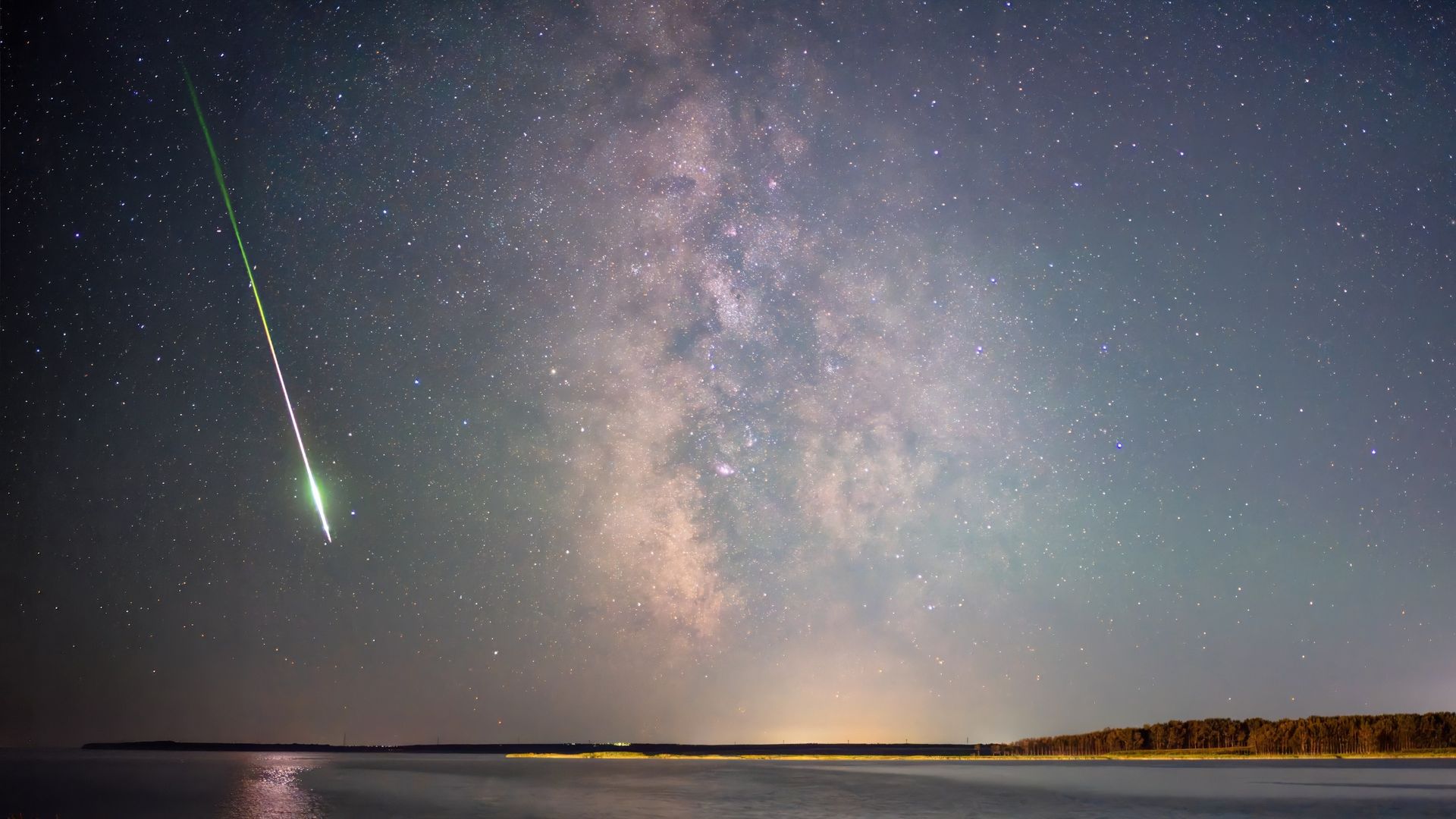
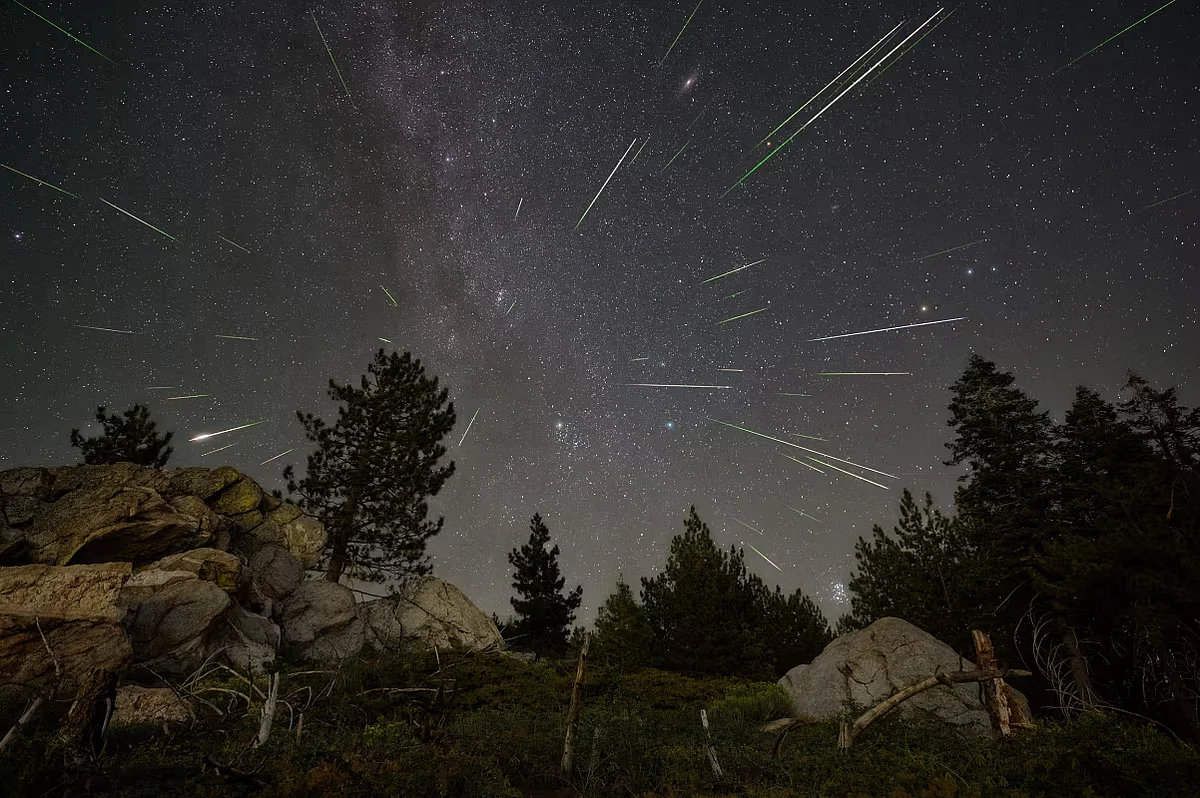
Satellites are watching fireballs blaze through Earth's atmosphere, strengthening planetary defense knowhow and helping scientists learn more about space debris impacts.
Were scientists wrong about how life began on Earth?
From a close encounter between Mars and Jupiter to dazzling Venus and elusive Mercury, November offers plenty of planetary highlights. Here's when and where to look.
Researchers from UC Davis have proposed that dark energy may not be necessary to explain the universe's acceleration. They found weak points in the Lambda-cold dark matter model using Einstein's equations. By examining instabilities in Friedmann spacetimes, they suggest alternative explanations for cosmic expansion.