SpaceX Launching NASA's Roman Space Telescope to Explore Dark Energy and Habitable Planets
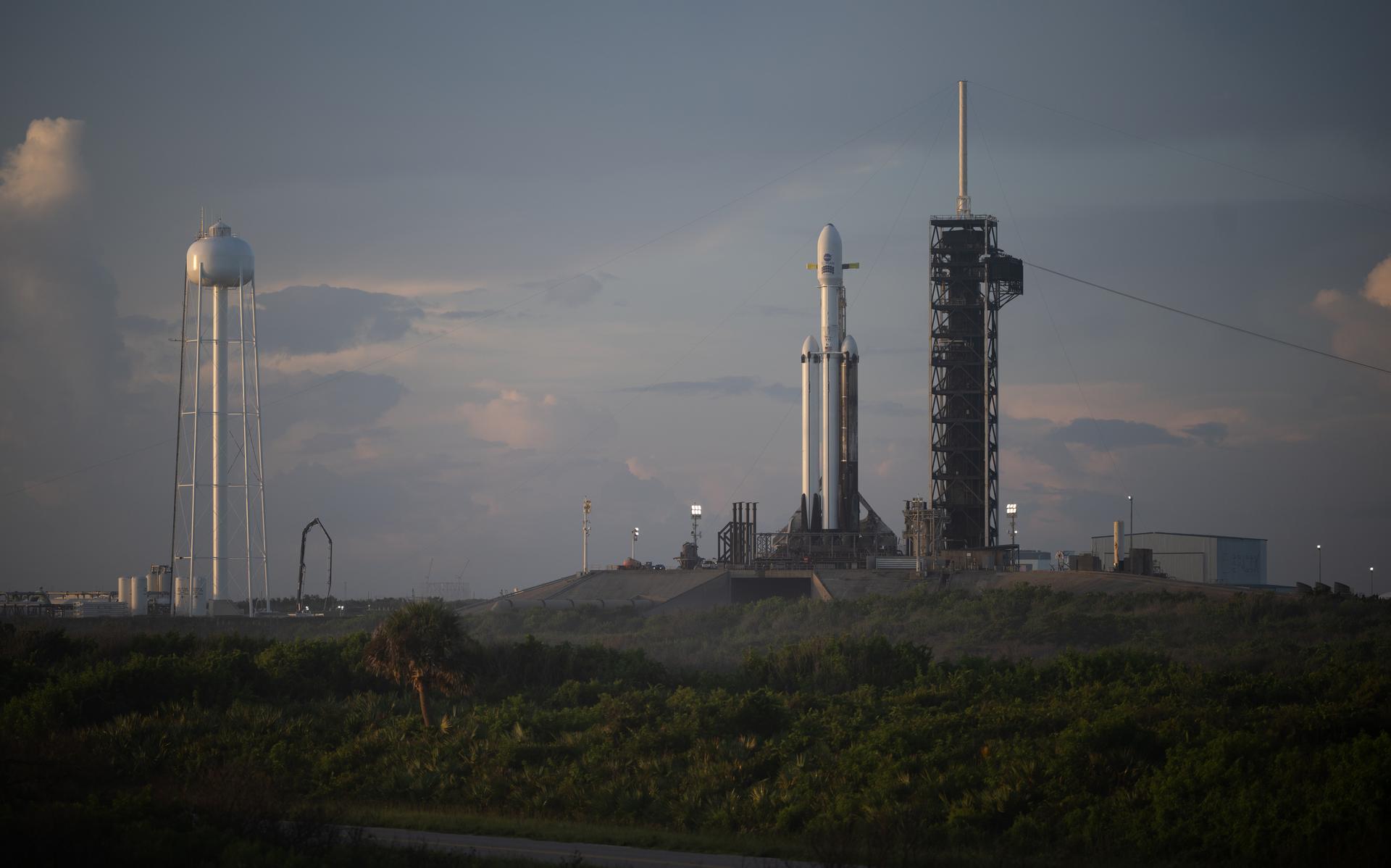
SpaceX is scheduled to launch the Roman Space Telescope on a Falcon Heavy rocket, with the launch window opening at 7:26 a.m. EDT (1126 GMT). NASA will carry the launch live on YouTube. CNN offers this mission overview from NASA Administrator Jared Isaacman. "Roman will investigate dark matter, dark energy and the structure of the universe itself, and accelerate the future of discovery of…
SpaceX is set to launch the Roman Space Telescope aboard a Falcon Heavy rocket, with the launch window opening at 7:26 a.m. EDT (1126 GMT). The mission, overseen by NASA Administrator Jared Isaacman, aims to explore dark matter, dark energy, and the universe's structure, while also searching for potentially habitable planets outside our solar system.
The Roman telescope will image more than 50 times the sky area covered by the Hubble Space Telescope in three decades, with each image containing the equivalent of 100 pictures Hubble would capture.
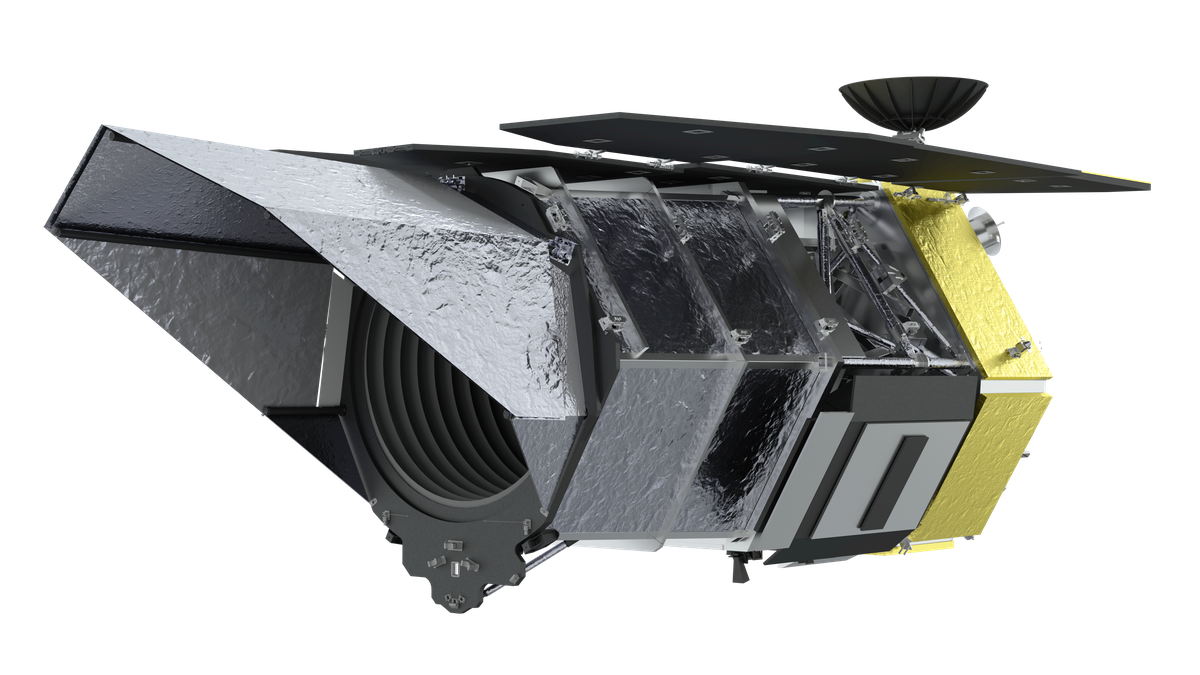
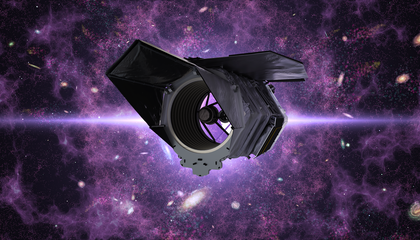
The barrel-shaped Roman telescope will operate nearly 1 million miles from Earth, beginning its exploration of previously unobservable areas of the cosmos. Weighing 80% less than Hubble, the Roman telescope is equipped with two primary instruments: a 300-megapixel near-infrared camera designed to study the distribution of dark matter, and a coronagraph instrument to reduce star glare and detect Earth-like planets around other stars.
Excitement surrounds the mission, as astronomers hope Roman will make significant breakthroughs in understanding dark energy, which was discovered 30 years ago. The telescope will employ three methods to detect dark energy: surveying for a specific type of supernova, mapping galaxies to discover faint cosmic bubbles, and using microlensing to map matter's distribution in the universe.
In addition to studying dark matter and dark energy, the Roman Space Telescope will also investigate rogue planets, isolated black holes, starquakes, and planet-forming disks around nearby stars. Over the course of its mission, the telescope will conduct three primary surveys, including a year-long survey of the Milky Way's dense central region, the galactic bulge, to build a comprehensive catalog of astronomical objects.
Written by urgent.news from Slashdot's reporting — not their text. Machine-written — may contain errors; check the original before relying on it.
This story
This is one outlet's version. Read the fullest account.
- NASA’s Roman Space Telescope: Falcon Heavy Passes Max Q science.nasa.gov
- What is the Nancy Grace Roman Telescope? thehindu.com
- NASA’s Nancy Grace Roman Telescope Promises a Breakthrough in Cosmic Exploration nytimes.com
- The Nancy Grace Roman Space Telescope Will Now Travel Almost One Million Miles to Reveal Mysteries of the Universe discovermagazine.com
- NASA’s Nancy Grace Roman Space Telescope Has a Hidden Technological Leap wired.com
- Nancy Grace Roman Space Telescope Launches this Sunday npr.org
- Nasa Roman Space Telescope launch today: Time, mission and key details indianexpress.com