NASA launches powerful new Roman Space Telescope from Florida
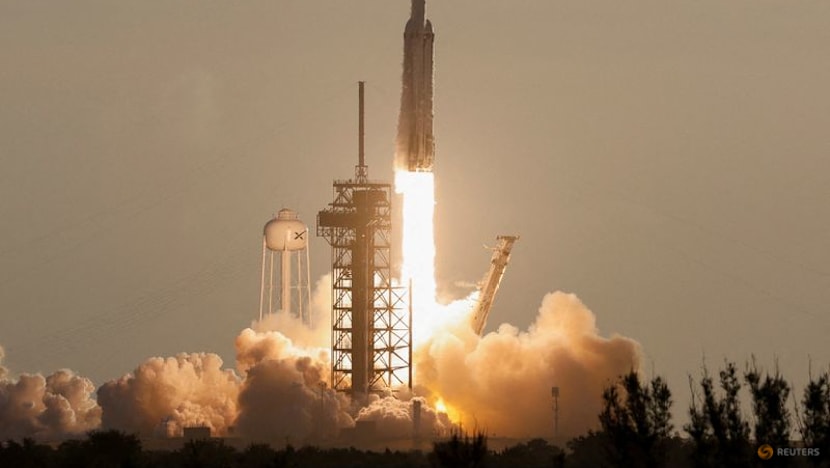
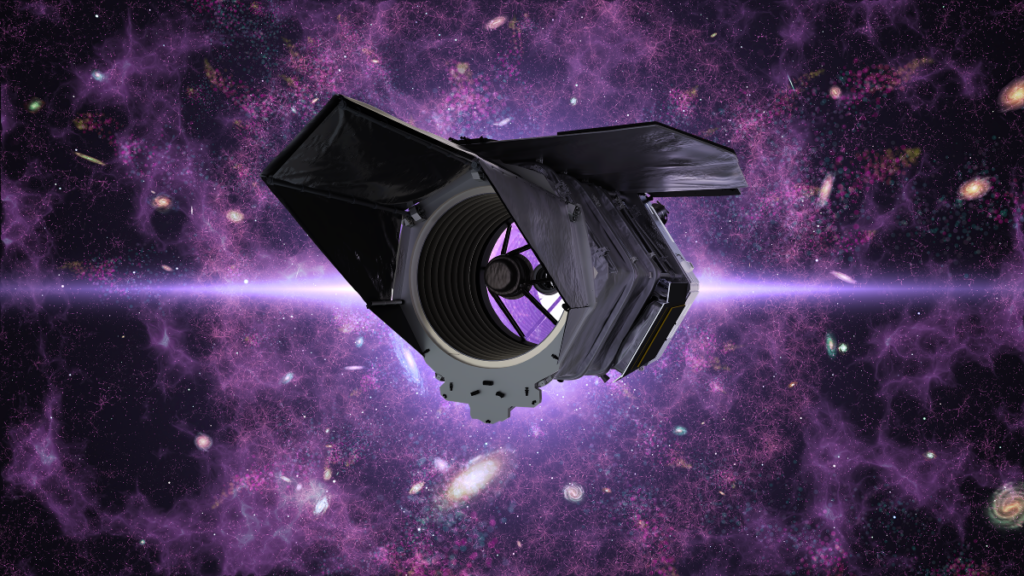
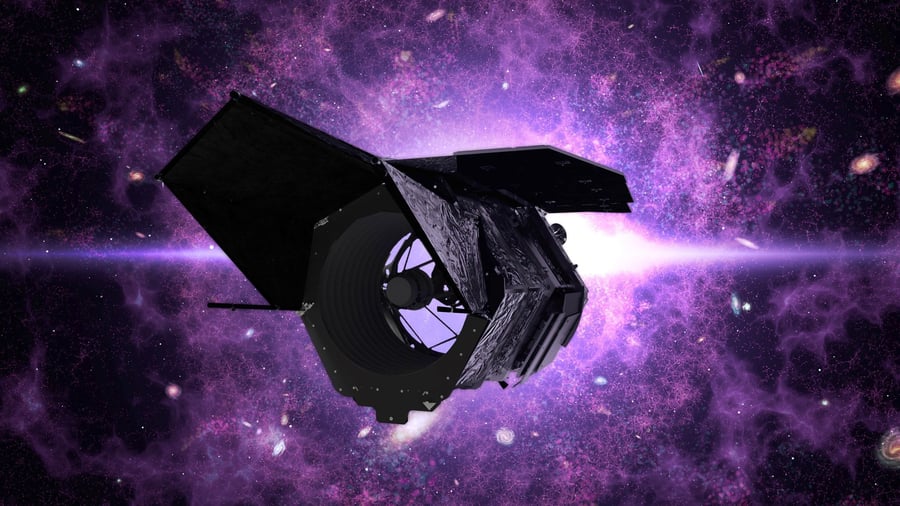
NASA has successfully launched its new flagship astronomical observatory, the Nancy Grace Roman Space Telescope, from Florida on Sunday. The $4 billion project was carried by a SpaceX Falcon Heavy rocket from NASA's Kennedy Space Center. The telescope is designed to investigate cosmic mysteries such as dark energy and dark matter, test gravity on vast scales, and search for exoplanets.
After a short delay due to weather concerns, the rocket delivered the telescope into space under clear skies and scattered clouds. The Roman Space Telescope will travel to an orbital location called Lagrange Point 2, situated about a million miles from Earth. It is planned for a five-year mission, with the possibility of an additional five years of operation due to sufficient fuel.
Comparing the telescope to existing observatories, NASA's Science Mission Directorate chief Nicola Fox described Roman as "kicking the door down" compared to Hubble and Webb. Roman will have the same sensitivity and sharpness as Hubble but will cover a much larger area of the sky much faster. In one month, Roman can survey the entire Milky Way galaxy, which would take about a century with Hubble.
While Webb has provided insights into the early history of the universe and the formation of primordial galaxies, Roman offers a panoramic view, acting as a wide-angle lens compared to Webb's zoom lens. Roman's main survey will map more than two billion galaxies in the most comprehensive 3D map to date, helping scientists understand dark matter and dark energy. The telescope is also expected to discover thousands of new exoplanets, providing a statistical census of planetary systems similar to our own.
Written by urgent.news from CNA - Business's reporting — not their text. Machine-written — may contain errors; check the original before relying on it.
This story
This is one outlet's version. Read the fullest account.
- From strange worlds to rare planets: Nasa’s Roman Telescope begins its cosmic hunt timesofindia.indiatimes.com
- NASA launches Roman Space Telescope to explore hidden universe koreatimes.co.kr
- NASA launches powerful new Roman Space Telescope from Florida brecorder.com
- NASA launches Ksh558B telescope to space peopledaily.digital
- NASA’s Roman space telescope blasts off on SpaceX Falcon Heavy to unlock dark energy secrets livemint.com
- NASA launches first telescope named after female scientist dw.com
- NASA launches powerful new Roman Space Telescope from Florida investing.com
- NASA launches powerful new Roman Space Telescope from Florida channelnewsasia.com