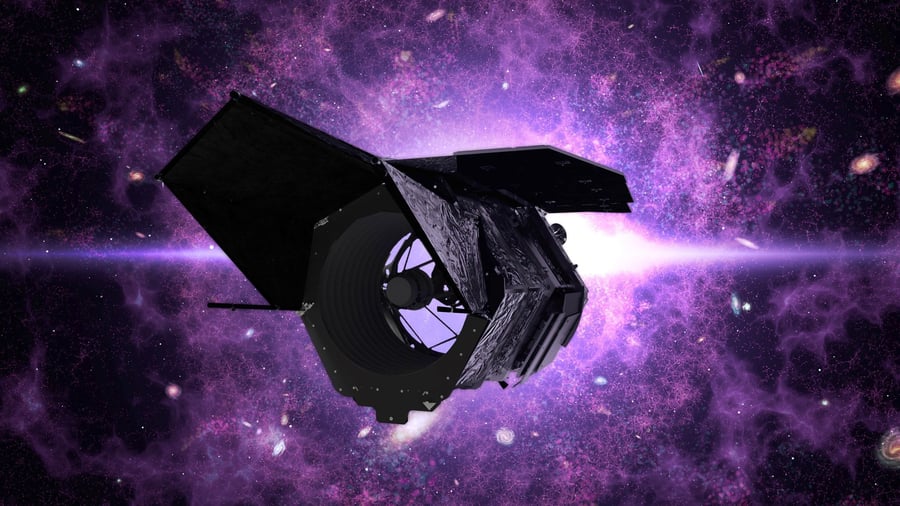
Roman Telescope Begins Quest to Reveal Evolving Universe
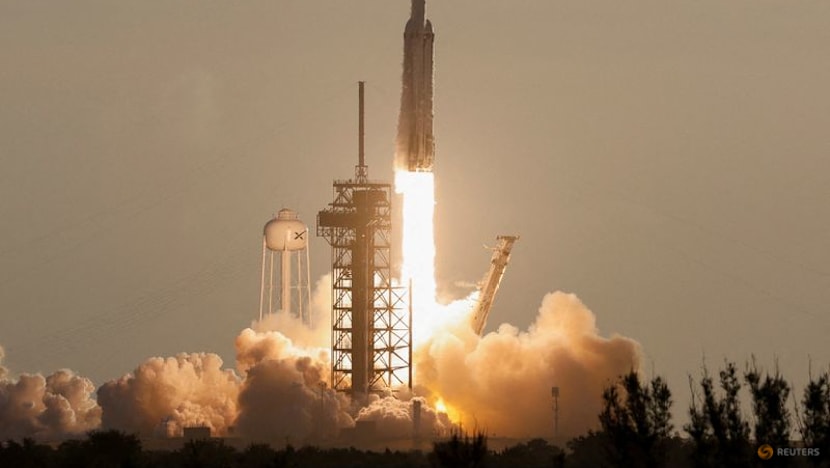
A new era of space exploration began today with the launch of the Nancy Grace Roman Space Telescope.
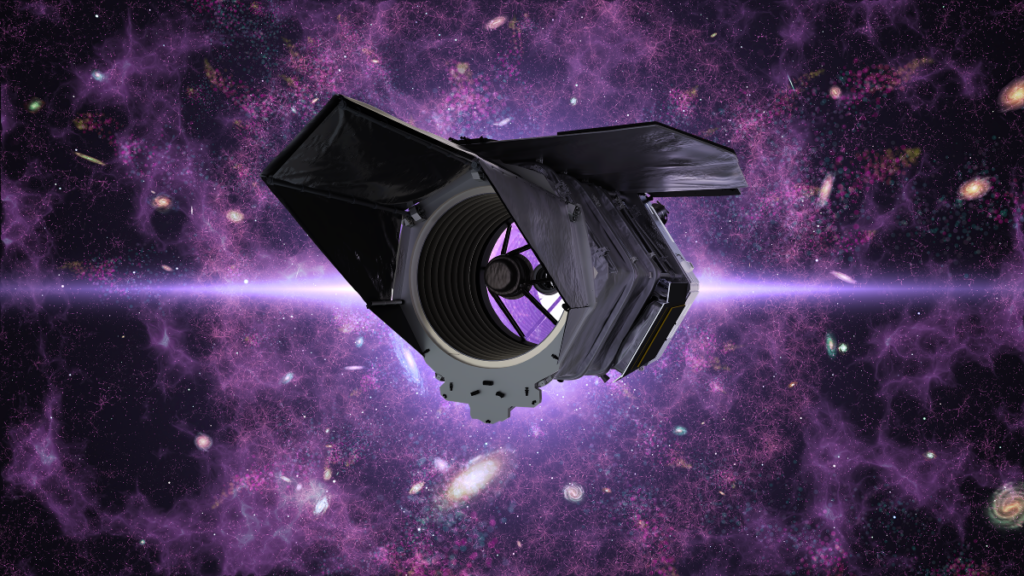
The Nancy Grace Roman Space Telescope has begun its quest to unravel the mysteries of the evolving universe. The telescope, launched from Kennedy Space Center in Florida on August 30th, is named after NASA's first chief of astronomy, Dr. Nancy Grace Roman. Roman, who was also the "Mother of the Hubble Space Telescope," is designed to help scientists understand the fundamental composition of the universe.
The Roman Space Telescope boasts a field of view 100 times larger than that of the Hubble Space Telescope, allowing it to capture more detail in a single glimpse. It is expected to study over a billion galaxies and create 3D maps of the universe's evolution. Roman's primary mission, lasting five years with an expected lifetime of ten, will focus on measuring the expansion history of the universe using three methods to detect exoplanets and study dark matter.
The telescope's first deep field survey, similar to those conducted by Hubble, will reveal millions of distant galaxies hidden within a seemingly blank patch of the sky. These surveys will provide an unprecedented view of the early universe, covering an area 1,500 times larger than Mount Rushmore. The first science images from Roman are expected to be released in early 2027.
Written by urgent.news from Eos's reporting — not their text. Machine-written — may contain errors; check the original before relying on it.