India steps up Himalayan glacier monitoring after deadly Nepal–Tibet floods
NEW DELHI, Aug 29 — India is stepping up monitoring of its Himalayan regions bordering China and Nepal, days after...
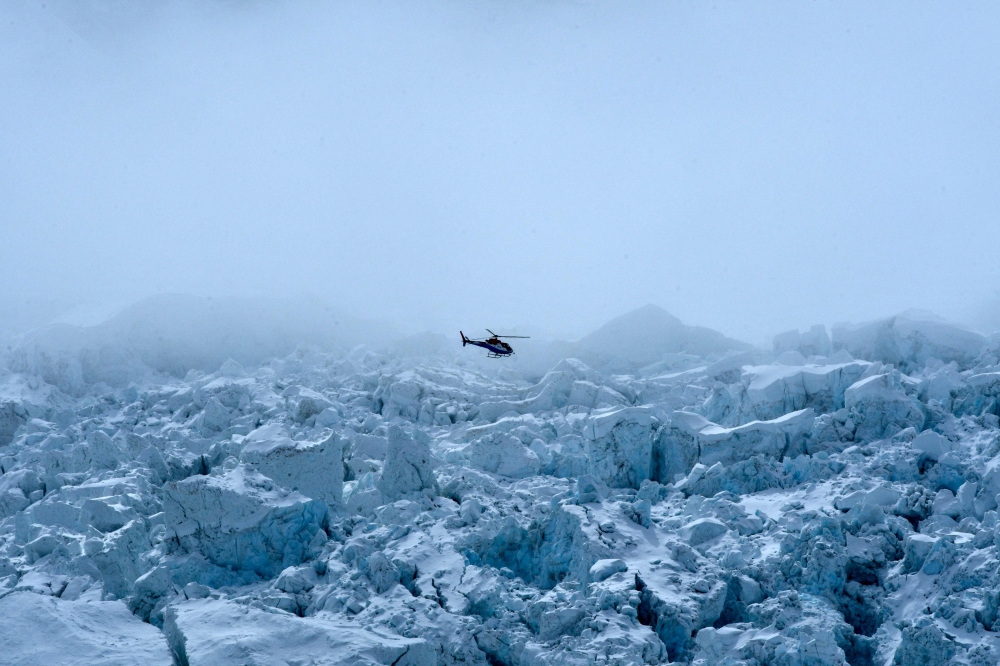
NEW DELHI, Aug 29 — India is intensifying monitoring of its Himalayan regions along the Chinese and Nepalese borders following deadly floods triggered by a glacial collapse, authorities announced on Saturday. The US Geological Survey reported that the disaster on Wednesday along the Tibet–Nepal border was caused by a glacial collapse that unleashed a wave of debris, leaving nearly 3,000 people missing and 633 confirmed dead.
While the precise cause of the collapse remains uncertain, climate change is widely acknowledged to be accelerating the melting of glaciers globally, heightening the risk of such disasters. "Given that we share a border with Nepal and share a similar geographical situation, we have instructed our department to closely monitor all glaciers and known glacial lakes in the region," stated Madan Kaushik, minister of disaster management in India's Himalayan state of Uttarakhand.
"We have asked our teams to remain vigilant and monitor for any emerging similar situations within the state," he told AFP. Uttarakhand, one of India's most ecologically sensitive regions, is home to 1,266 glacial lakes, according to government records. Scientists warn that Himalayan glaciers, which provide crucial water to nearly two billion people, are melting at an unprecedented rate due to climate change, putting communities at risk of unpredictable and costly disasters.
Additionally, melting glaciers and thawing permafrost can destabilize mountain slopes, increasing the likelihood of landslides. Experts attribute the rising frequency, severity, and impact of such disasters to a combination of climate change and poorly planned development.
Written by urgent.news from Malay Mail's reporting — not their text. Machine-written — may contain errors; check the original before relying on it.
This story
This is one outlet's version. Read the fullest account.
- Nepal glacier collapse kills over 469, triggers 5.2-magnitude tremor english.nv.ua
- India steps up glacier monitoring after Nepal disaster freemalaysiatoday.com
- What Triggered the Devastating Floods in Nepal and Tibet, and Are We Due for More in the Future? Here's What Scientists Know So Far smithsonianmag.com
- Disaster Experts Say Nepal Glacier Collapse Was Difficult to Predict nytimes.com
- India steps up glacier monitoring after Nepal disaster channelnewsasia.com
- Devastating Nepal floods were triggered by glacier collapse, experts say — and there's a risk of more landslides to come livescience.com
- Nepal floods: Some bodies decompose beyond recognition, local govt to preserve DNA before remains are handled mothership.sg
- India, Nepal and beyond: When a glacier bursts, it harms and kills long after the water recedes indianexpress.com