Looks like a dog, flies like a bat: Meet nature’s unusual mammal
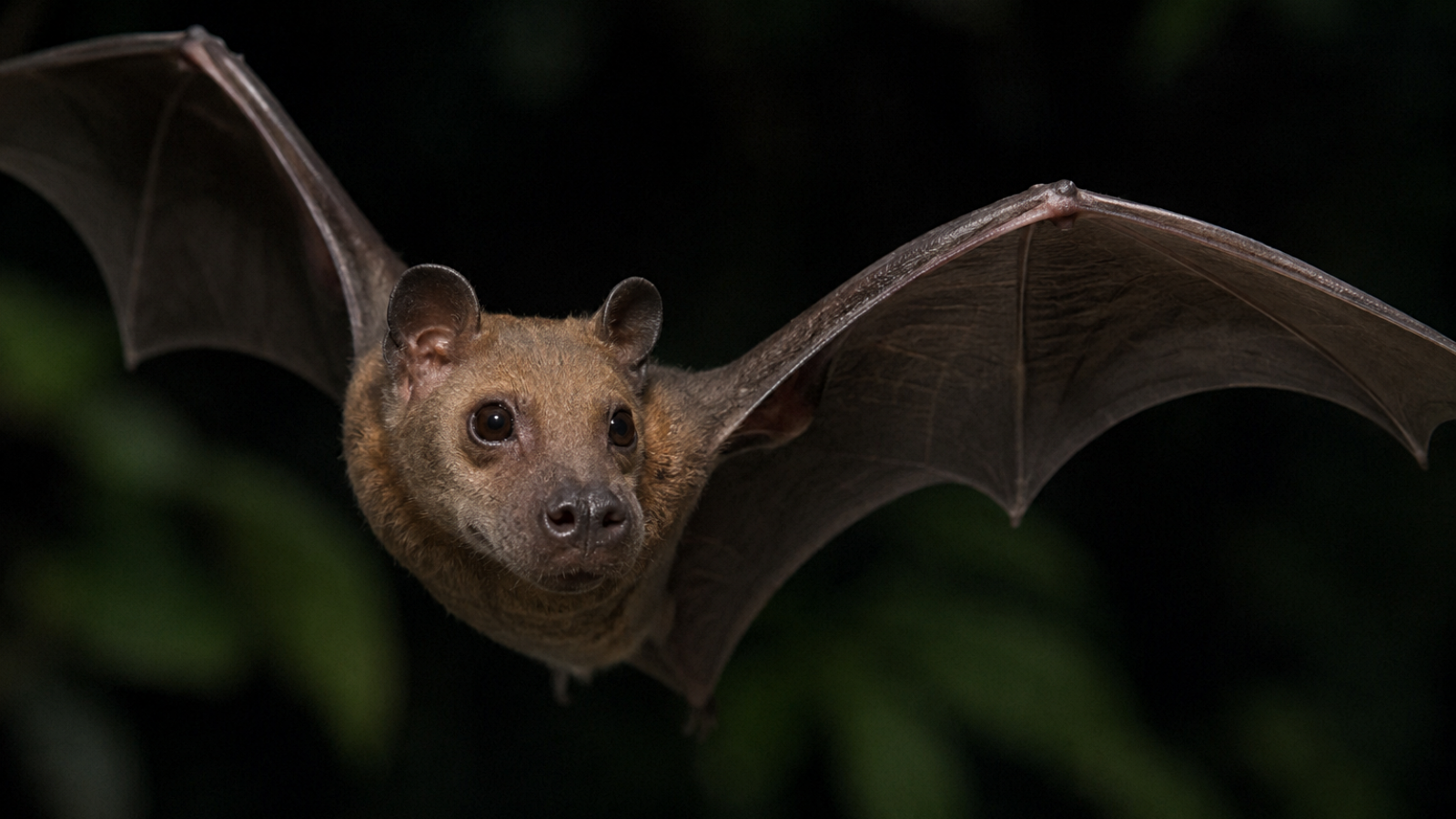
What emerges when nature fuses a bat's features with a dog's face is a creature that seems to bark instead of fly at night. Its distinctive appearance, with a broad muzzle, widely spaced eyes and small, rounded ears, can lead to confusion. This mammal, despite its canine-like appearance, possesses wings and hunts insects under the cover of darkness.
The name may seem like an internet jest, but these "dog-faced bats" are indeed real, scientifically recognized, and there are multiple species behind their oddly endearing face.
The Cynomops genus houses these unique bats, native to Central and South America. The name stems from Greek terms related to dogs and facial features. However, they are not canine relatives. Bats belong to the Chiroptera order, while dogs are part of the Carnivora order. The resemblance lies in their facial characteristics that bear a striking resemblance to those of a canine.
For many years, scientists identified six species within the Cynomops group. Yet, in 2018, researchers unveiled two additional species: Freeman's dog-faced bat (Cynomops freemani) from Panama and the Waorani dog-faced bat (Cynomops tonkigui) from Ecuador, elevating the recognized total to eight at that time.
Identifying these species was not as straightforward as comparing their facial features. Researchers had to employ the skills of a bat detective, examining 242 specimens and comparing physical attributes, DNA, geography, and echolocation recordings. Some bats initially classified under one species turned out to be different. Often, a new species may not indicate an unseen animal; it could be a species already in a museum collection that scientists have overlooked.
Despite their endearing face, these bats are built for speed. As nocturnal insect-eaters, they hunt through the night. Their narrow wings are tailored for swift, open-air flight, enabling them to soar high above the forest canopy. These features make them adept hunters, albeit challenging subjects for research. Catching these fast-flying bats using traditional mist nets is difficult.
Consequently, researchers utilize another method: listening. These bats utilize echolocation, emitting high-frequency sounds and interpreting the returning echoes to navigate in the dark and locate prey. Scientists record these calls using specialized bat detectors, which can provide insights into the species overhead, even when the bat is difficult to catch.
The echolocation recordings also served as evidence in distinguishing the newly discovered species. An intriguing example is Freeman's dog-faced bat. In Gamboa, Panama, researchers captured 56 individuals over five nights in 2012, comprising 19 males and 37 females. The bats were found near abandoned wooden structures, and researchers recorded their calls. After combining these observations with physical and genetic evidence, they determined that the bats represented a distinct species.
The question arises: why does the dog-faced bat resemble a dog? The answer isn't simple. The bat's facial features evolved through its own evolutionary history, but they happen to resemble those of a dog to our brains. This is why one glance at this bat can lead to the immediate thought: "That looks like a dog," followed by the obvious query: "Why does that dog have wings?"
The answer is simpler than it seems: it's not a dog; it's a fascinating group of bats with one of the most memorable faces in the animal kingdom, and behind that peculiar face is a fast-flying, insect-hunting mammal that has helped scientists uncover the extent of biodiversity hiding in plain sight.
Written by urgent.news from The Indian Express's reporting — not their text. Machine-written — may contain errors; check the original before relying on it.
Also reported by 1 other outlet
- Looks like a dog, flies like a bat: Meet nature’s unusual mammal indianexpress.com