Looks like a dog, flies like a bat: Meet nature’s unusual mammal
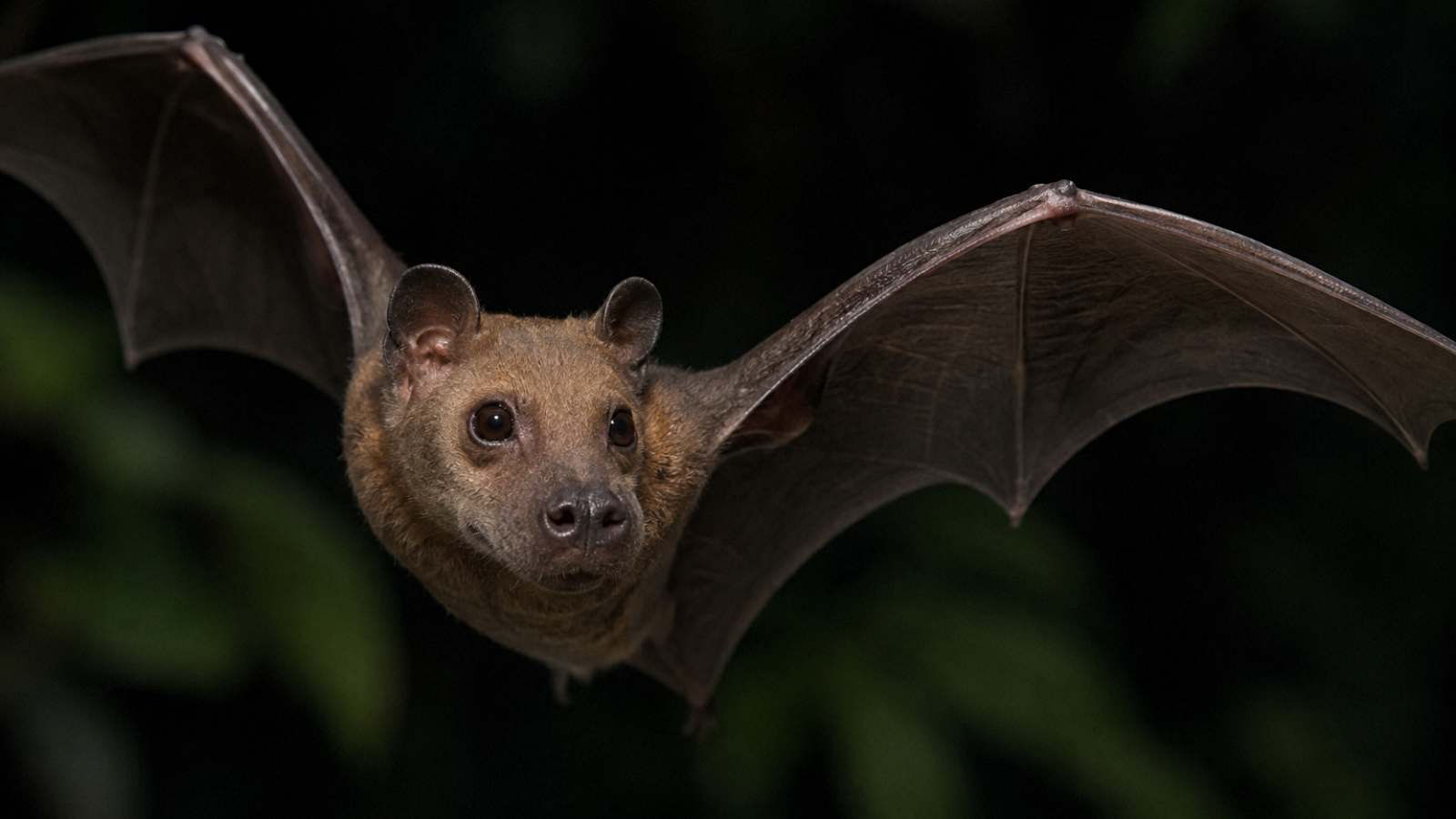
Imagine a bat with the face of a dog – a creature so odd that it seems to defy the laws of nature. The dog-faced bat possesses a broad snout, large eyes, and tiny ears that give it an uncanny canine appearance. Yet, despite its unusual look, this bat is a skilled flier, navigating the night skies in search of insects. The name may sound like a playful joke, but dog-faced bats are indeed real – they belong to the genus Cynomops, a group of free-tailed bats that can be found in Central and South America.
These bats are not related to dogs, as they belong to the order Chiroptera, while dogs belong to Carnivora. However, their distinctive facial features have led to a striking resemblance. For many years, scientists identified six species within the Cynomops group, but in 2018, two additional species were discovered: Freeman’s dog-faced bat (Cynomops freemani) from Panama and the Waorani dog-faced bat (Cynomops tonkigui) from Ecuador. The total number of recognized species reached eight at that time.
Unraveling the mysteries of these bats required a meticulous approach. Researchers examined 242 specimens, comparing physical characteristics, DNA, geographic data, and echolocation recordings. Some specimens that were previously classified under one species turned out to be different, highlighting the complexity involved in species identification. This process often reveals that what appears to be a new species might already be present in museum collections, waiting to be discovered by researchers.
Dog-faced bats are built for speed, using their narrow wings for agile, high-altitude flight. As nocturnal insect hunters, they play a crucial role in controlling pest populations. However, their fast-flying nature makes them challenging subjects for scientific observation. To overcome this obstacle, researchers employ echolocation recordings, which provide valuable insights into the bats’ presence even when they evade traditional capture methods.
One notable example is Freeman’s dog-faced bat. In Gamboa, Panama, researchers captured 56 individuals over five nights in 2012, revealing a distinct species based on physical features, genetics, and echolocation calls. This discovery demonstrates that even well-studied areas can harbor hidden biodiversity. So why does the dog-faced bat look like a dog?
The answer lies in its evolutionary history, where its facial features evolved independently to resemble those of a canine. The bat’s unusual appearance has captured the public’s attention, sparking curiosity about the fascinating world of bats and the remarkable diversity that exists within the animal kingdom.
Written by urgent.news from The Indian Express - Lifestyle's reporting — not their text. Machine-written — may contain errors; check the original before relying on it.
This story
This is one outlet's version. Read the fullest account.
- Looks like a dog, flies like a bat: Meet nature’s unusual mammal indianexpress.com