Disaster Experts Say Nepal Glacier Collapse Was Difficult to Predict
Given the challenges in forecasting and detecting such calamities, researchers advised banning construction on floodplains and marking out clear evacuation routes.
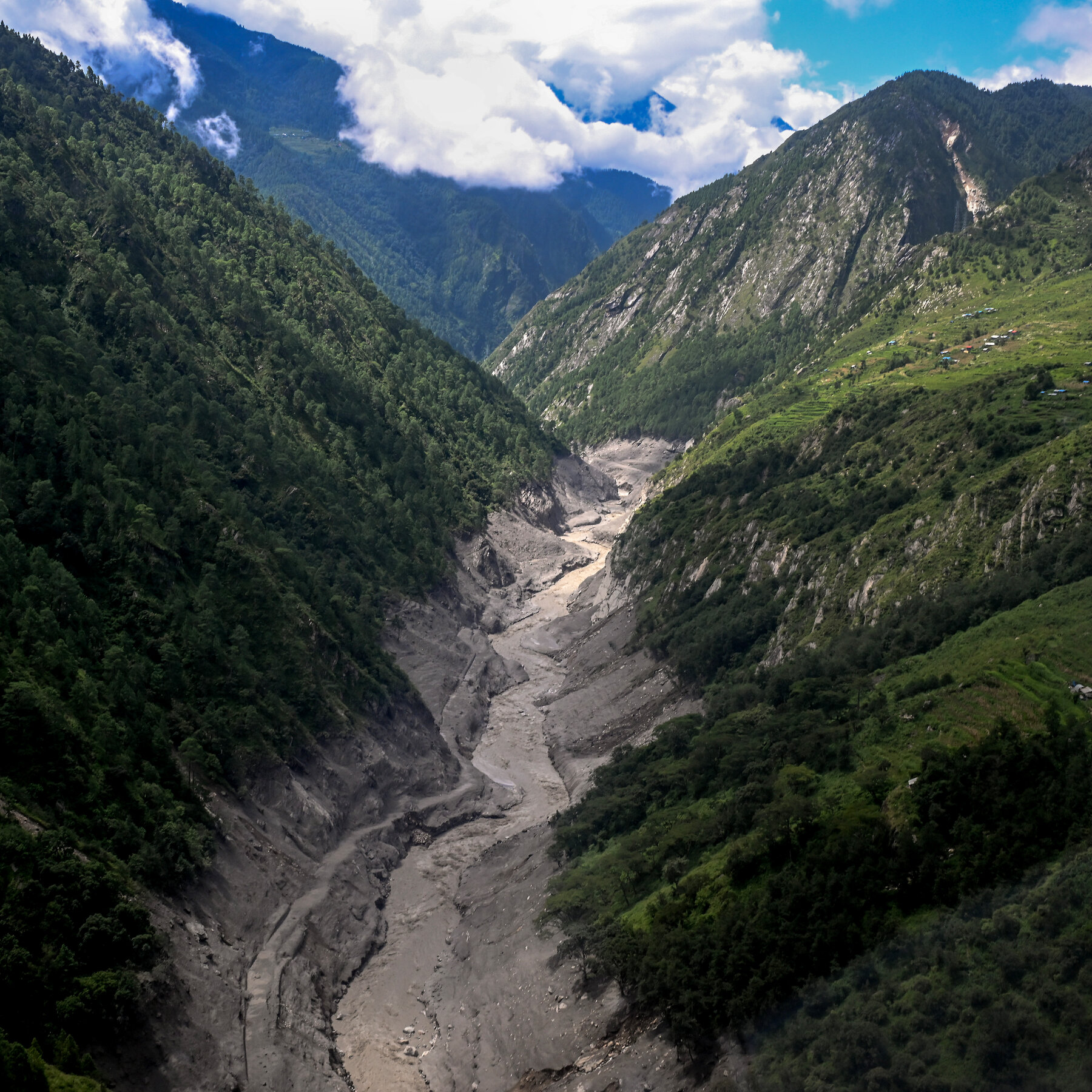
A glacier collapse near the Nepal-Tibet border has resulted in a devastating flash flood, leaving over 330 people dead and more than 1,500 missing. According to the International Centre for Integrated Mountain Development, the Trishuli River water level surged by 30 feet in just 30 minutes in the municipality of Galchhi.
The disaster, which occurred early on August 26, has destroyed buildings and uprooted bridges, with authorities warning the public to stay away from the banks of several rivers amid concerns of further flooding.
Researchers have noted that significant rainfall does not appear to have been the trigger for the disaster, with preliminary investigations instead pointing to a large collapse of glacier ice and rock high above the Lhende Kola river, according to Live Science.
Brief written by urgent.news from The New York Times, Live Science — 2 reports on this story. Machine-written — may contain errors; check the original before relying on it.
This story
This is one outlet's version. Read the fullest account.
- Nepal floods triggered by ice-rock avalanche: Nepalese scientists hindustantimes.com
- Nepal glacier collapse kills over 469, triggers 5.2-magnitude tremor english.nv.ua
- India steps up glacier monitoring after Nepal disaster freemalaysiatoday.com
- What Triggered the Devastating Floods in Nepal and Tibet, and Are We Due for More in the Future? Here's What Scientists Know So Far smithsonianmag.com
- Disaster Experts Say Nepal Glacier Collapse Was Difficult to Predict nytimes.com
- India steps up glacier monitoring after Nepal disaster channelnewsasia.com
- Devastating Nepal floods were triggered by glacier collapse, experts say — and there's a risk of more landslides to come livescience.com
- India steps up Himalayan glacier monitoring after deadly Nepal–Tibet floods malaymail.com