Planetary defense: How military and civil satellites are watching fireballs to help keep Earth safe from space rocks
Satellites are watching fireballs blaze through Earth's atmosphere, strengthening planetary defense knowhow and helping scientists learn more about space debris impacts.
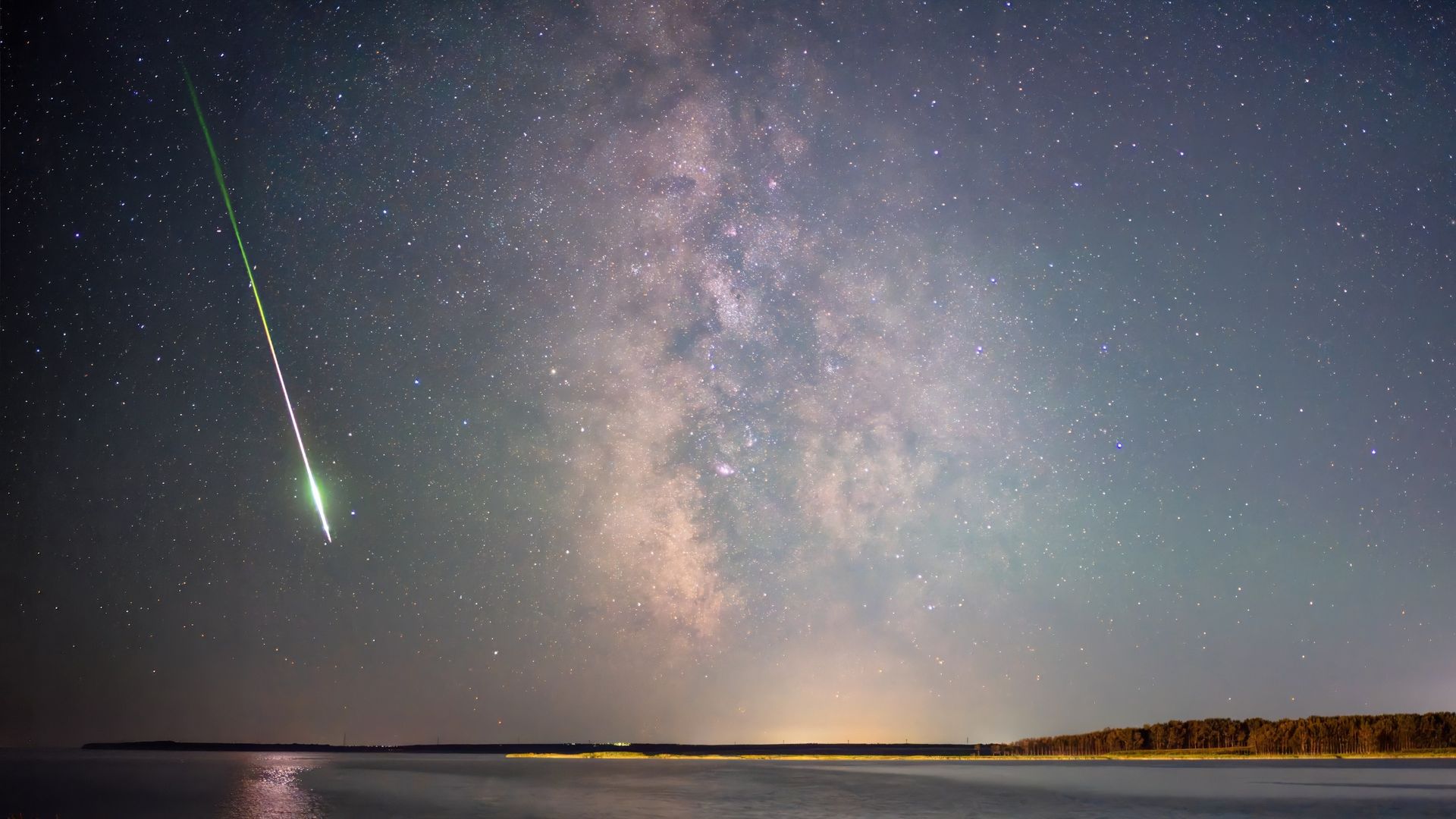
On April 1, 2025, a meteor exploded above the South Atlantic off the coast of Argentina, detected by both U.S. military and civilian satellites. The National Oceanic and Atmospheric Administration's GOES-E and Europe's Meteosat Third Generation satellite captured the event via onboard lightning imagers. This incident is one of several recent events highlighting the importance of combining multi-sensor data to study fireball dynamics and planetary defense.
On April 24, 2025, a fireball over south-central Alaska generated the most densely recorded seismoacoustic dataset for a nature-made bolide, with data from 37 seismic stations, 16 single infrasound sensors, and four infrasound arrays. A space rock roughly 12 feet wide (3.7 meters) broke up over northwest Queensland, Australia, on May 20, 2023, creating one of the most energetic events reported by NASA since 1988.
U.S. government satellites detected this event, but the Alaska fireball was not detected by U.S. government sensors and was reconstructed using civil and scientific observations. Elizabeth Silber, a physicist at Sandia National Laboratories, emphasized the value of combining different types of observations to determine how objects travel through the atmosphere, where they fragment, how much energy they release, and whether any material survives to the ground.
Written by urgent.news from Space.com's reporting — not their text. Machine-written — may contain errors; check the original before relying on it.