Could scientists have been wrong about how life began on Earth?
Were scientists wrong about how life began on Earth?
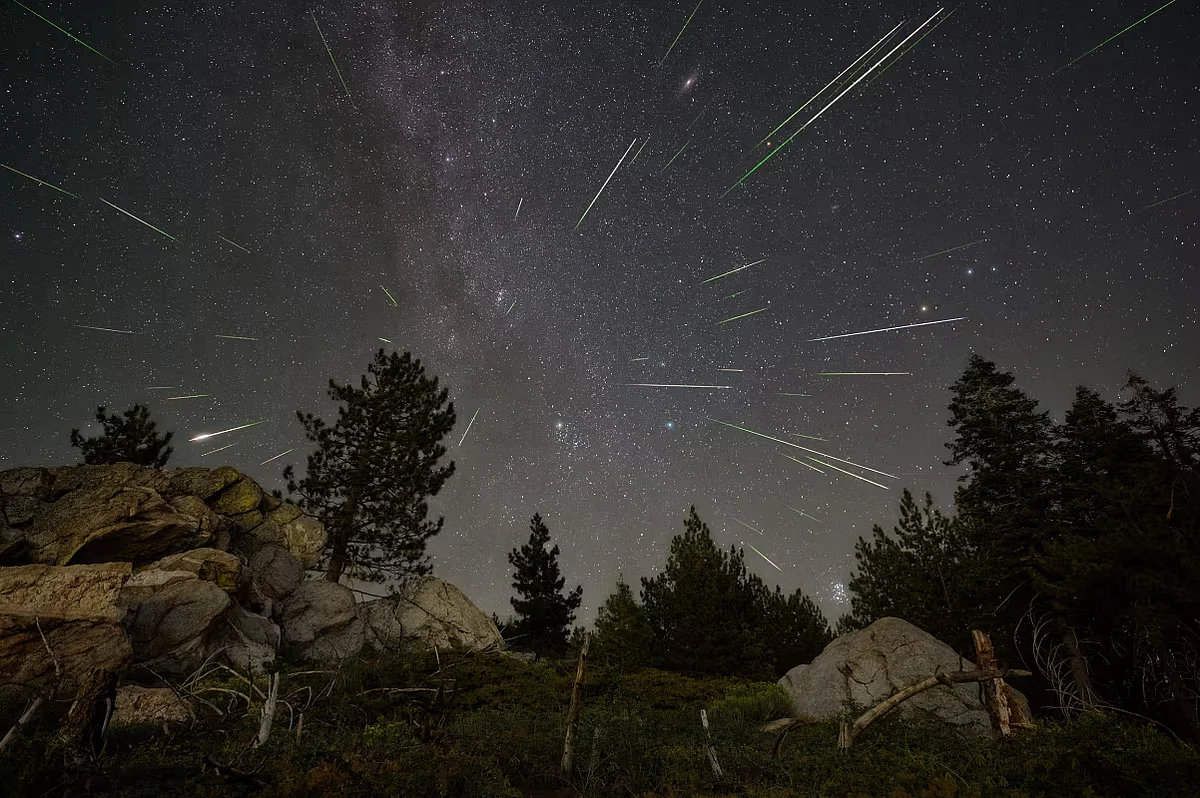
For over a century, scientists have pondered whether comets from outer space delivered the chemical ingredients necessary for life to emerge on Earth. However, a recent study published in the journal Scientific Reports suggests that these icy visitors may have been traveling too fast to safely deliver their precious cargo. According to the research, the extreme temperatures and pressures generated by comet impacts would have destroyed delicate organic molecules essential for the emergence of life.
The findings raise the intriguing question of where these building blocks came from if comets were not the deliverers. The theory of comets as carriers of life's ingredients dates back more than a century, gaining prominence in the 20th century. The new study challenges the assumption that comet impacts could have delivered sufficient quantities of intact organic molecules to Earth's surface.
Researchers estimate that more than 100,000 comets larger than 100 meters may have struck Earth early in its history, but the high speeds of those collisions likely prevented the survival of their chemical cargo.
Written by urgent.news from Gulf News's reporting — not their text. Machine-written — may contain errors; check the original before relying on it.