I compared Googlebook and Samsung DeX; Galaxy users have little reason to switch
Early reviews say Googlebook OS feels like a Pixel on a bigger screen.
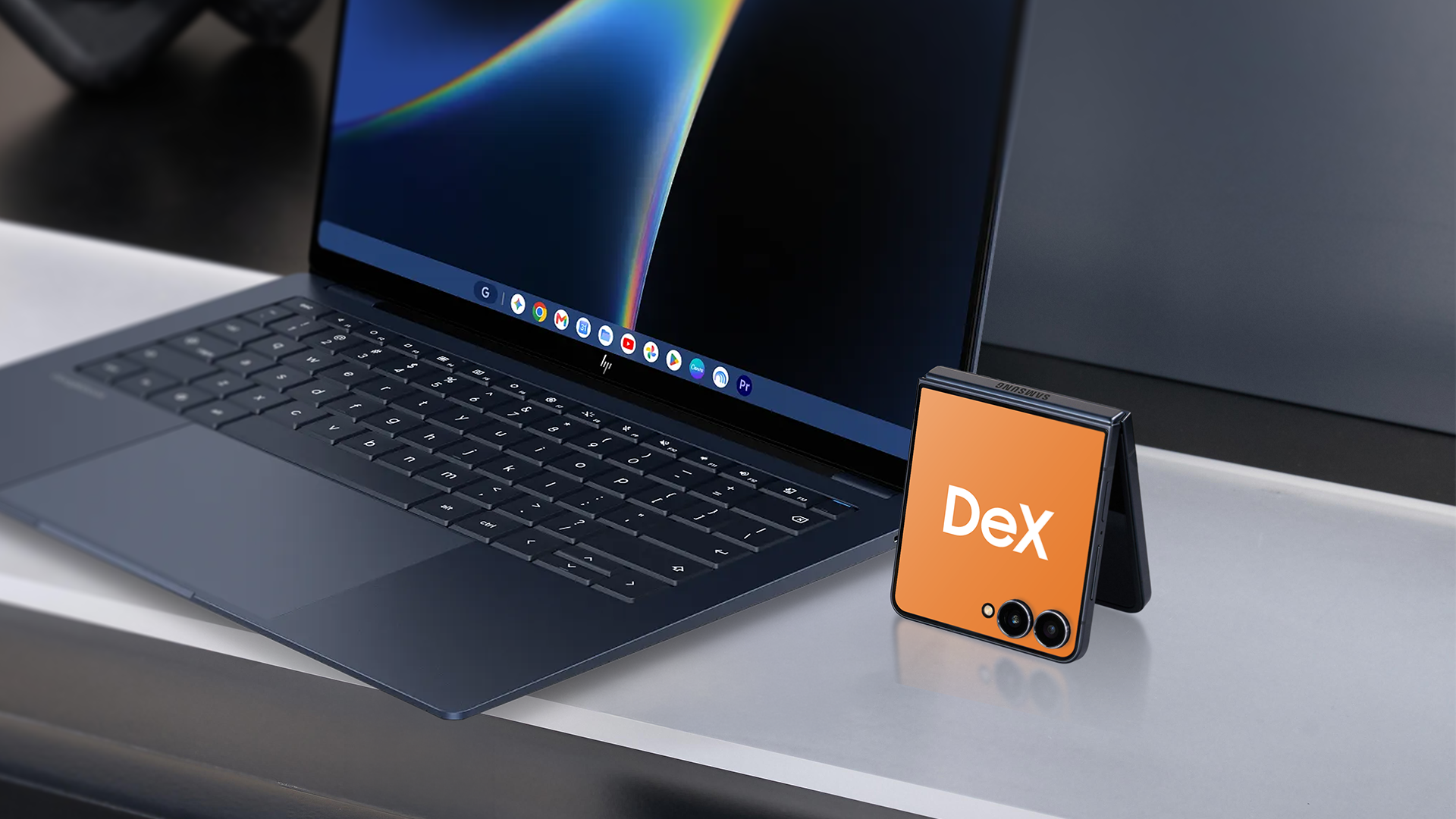
It's been several weeks since Google launched Googlebook on October 4th, an ambitious attempt to gain control over the Android market. While the hardware has been impressive, the question remains if it offers enough to entice Galaxy users to switch. Googlebook's main premise has always been strong, as it provides real ecosystem integration for long-time Android users, something Apple lacks.
However, Googlebook seems to deliver an experience Samsung users might find too familiar, offering an Android desktop experience, workflow sync, multitasking support, and shared security, which Samsung DeX has been providing for free.
Googlebook is a collection of premium-quality laptops powered by Android and integrated with Gemini Intelligence, which aims to make your phone feel like an extension of your laptop. Gemini Intelligence facilitates productivity, research, and writing tasks, while also allowing you to cast apps onto a different screen. Despite its promise, Googlebook still struggles with app optimization, as only about 300 out of 10,000+ Android apps are optimized for desktop use.
Moreover, Google promotes Googlebooks primarily for Pixel and Android users running Android 17 or later.
Samsung DeX, on the other hand, has been available since 2017 and has consistently improved over the years. DeX provides a desktop-like environment that runs Android on Galaxy phones and tablets, acting as a Chromebook alternative when used with a keyboard cover. It stands out due to its years of updates, user experience, and reviews, which make it more polished than Googlebook. DeX eliminates the need for a second device, allowing you to transform your smartphone or tablet into a PC at a lower cost than Googlebook.
For Galaxy users, the decision between DeX and Googlebook boils down to what Googlebook offers that surpasses the Galaxy-to-Galaxy experience provided by DeX. Although Googlebook has its unique strengths, such as hardware-grade contemporary features and Gemini integration, it comes with a high price tag. DeX, however, requires additional spending on monitors and keyboards, which might be a more cost-effective option.
Overall, while Googlebook shows promise, it currently struggles to justify its higher cost compared to Samsung DeX.
Written by urgent.news from Android Police's reporting — not their text. Machine-written — may contain errors; check the original before relying on it.