Science — Daily briefing
Monday, 5 October 2026
12 stories · 10 sources
No grouped briefing was written for this day. These are its stories, most widely covered first.
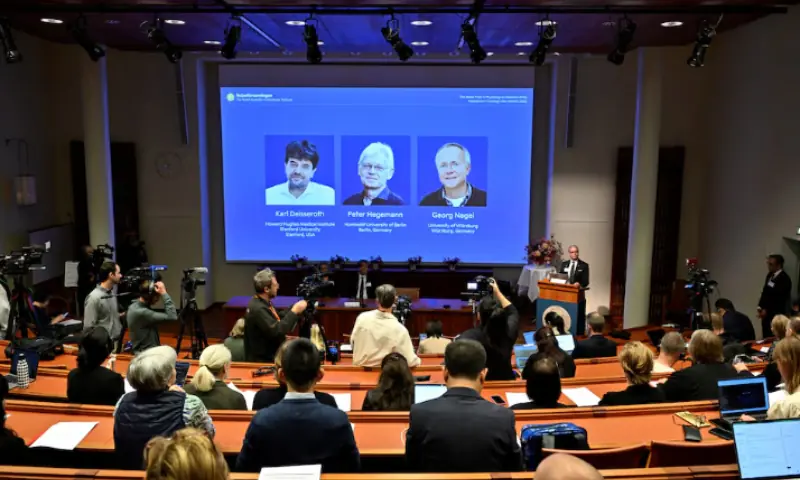
German, US scientists win Nobel prize for work that has helped understand how the brain works
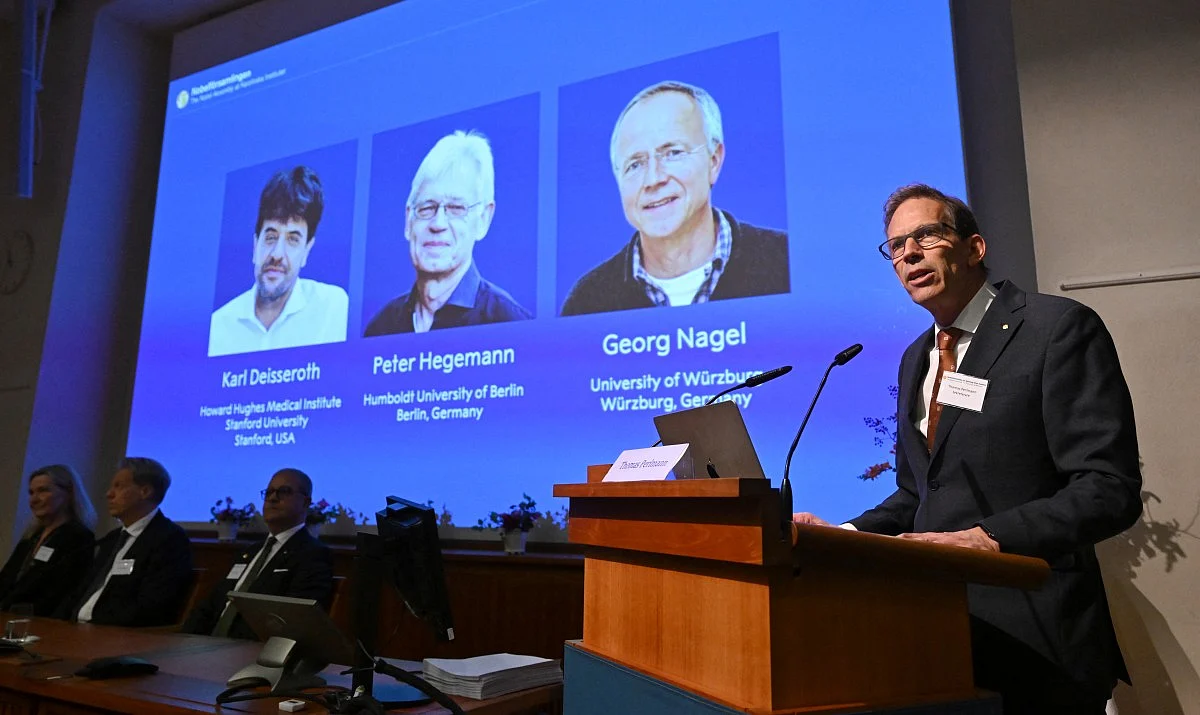
American Karl Deisseroth and Germans Peter Hegemann and Georg Nagel won the 2026 Nobel Prize in Physiology or Medicine on Monday for their discoveries on light and optogenetics that have helped understand how the brain works.
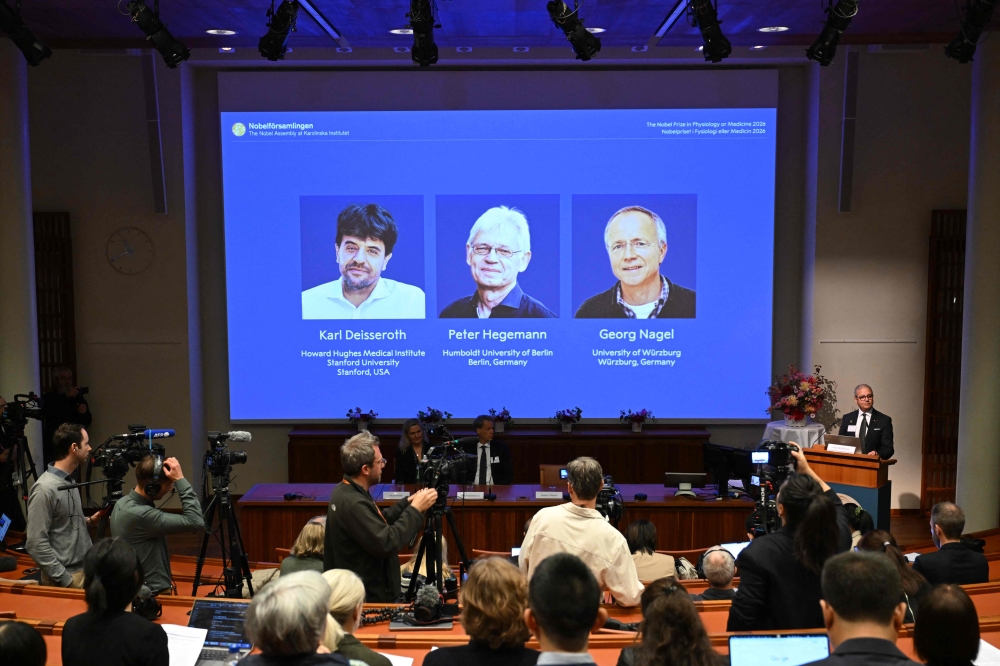
US, German scientists win Nobel medicine prize for optogenetics breakthrough
STOCKHOLM, Oct 5 — The Nobel medicine prize was awarded Monday to US psychiatrist and neurologist Karl Deisseroth...
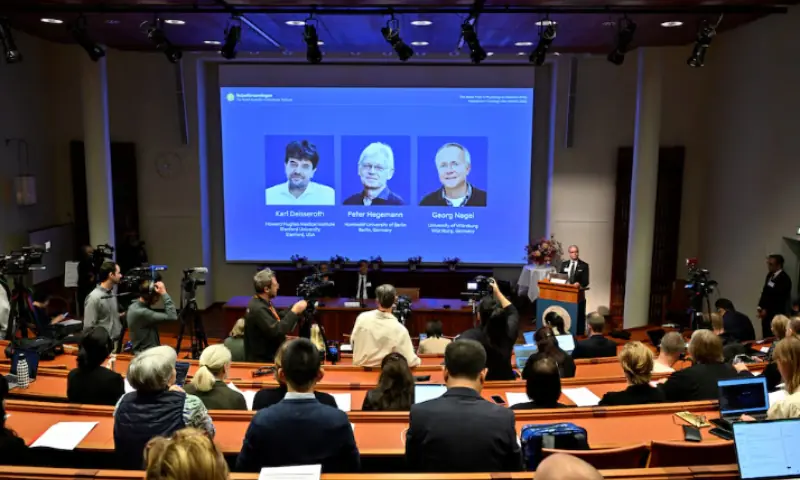
German and US scientists win Nobel medicine prize for work that has helped understand how the brain works
American Karl Deisseroth and Germans Peter Hegemann and Georg Nagel won the 2026 Nobel Prize in Physiology or Medicine on Monday for their discoveries on light and optogenetics that have helped understand how the brain works.
Scientists who revealed how brain shapes memories win Nobel
Trio wins Nobel medicine prize for optogenetics work
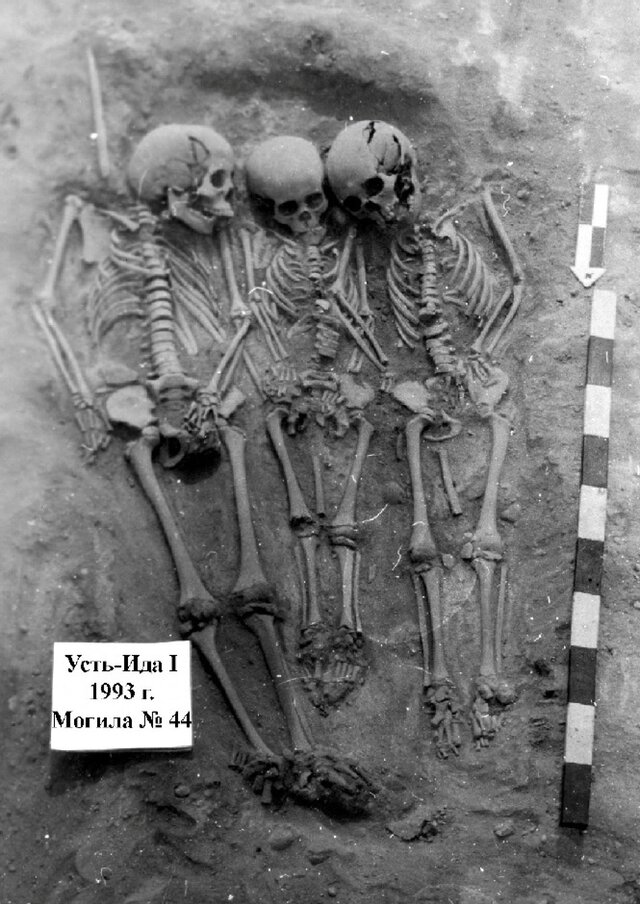
The earliest known plague outbreak happened in what is now Russia 5,500 years ago. Scientists found the evidence in ancient teeth.
About 5,500 years ago, several dozen hunter-gatherers died near Lake Baikal. DNA from the bacterium that causes plague survived in their teeth. Science journalist Ilya Kabanov, who runs the Telegram channel Laiflong Muki, explains how a study of ancient burial grounds became something of a detective story — and why the discovery changes…

Sunken Silk Road city reveals Central Asia's lost history
The sun had barely risen, but diving volunteer Elizaveta Bodrova was already raring to plunge into the cold waters of Lake Issyk-Kul, where the ruins of a once-thriving city have lain submerged for centuries.

Astronomers catch a star slowly snacking on a brown dwarf, 300 light years away
Like Earth, most planetary bodies circle their star in stable, detached orbits. These companionable systems can suddenly change when a planet comes too close to its star. In such a close encounter, a star can pull the planet in and swallow it whole.
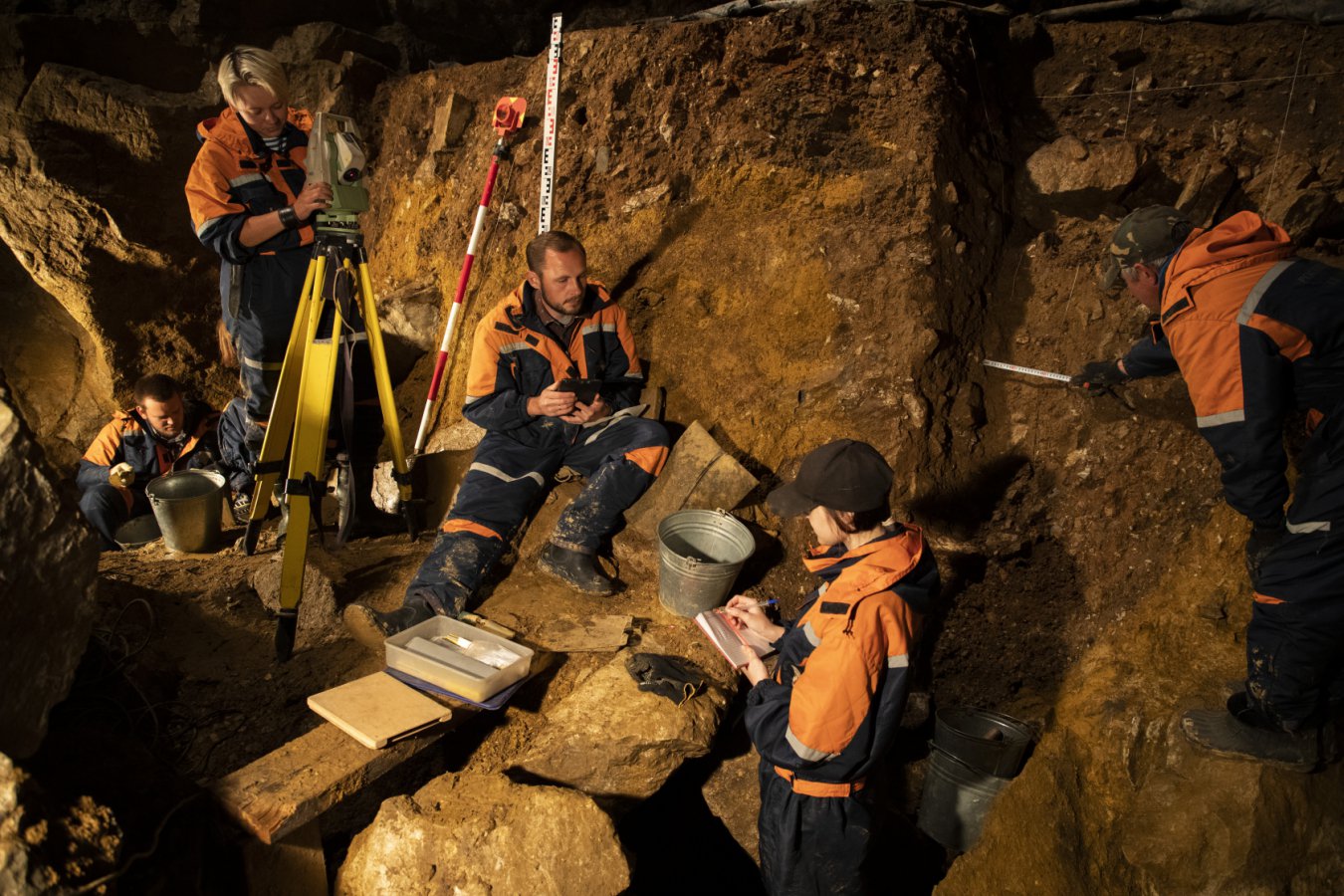
Extinct yak relative discovered from DNA in Denisova cave
Genetic analysis of hundreds of tiny bone fragments found in the same cave that yielded the first fossil remains of the Denisovans has revealed that the region was once also home to a previously unknown species of yak
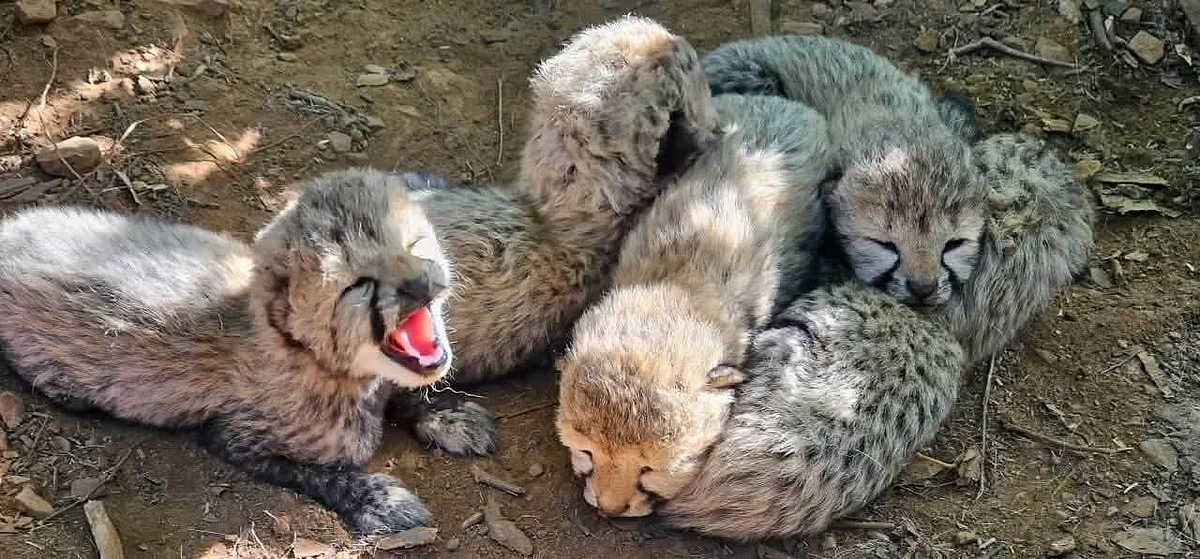
Indian-Born Cheetah KJP21 Gives Birth To 5 Cubs At Kuno National Park; India's Cheetah Population Reaches 60 | VIDEO
Sheopur (Madhya Pradesh): Kuno National Park in Madhya Pradesh's Sheopur district achieved another milestone under Project Cheetah after an Indian-born female cheetah, KJP21, gave birth to five healthy and adorable cubs. With their arrival, India's total cheetah population has increased to 60, including 41 cheetahs born in the country.
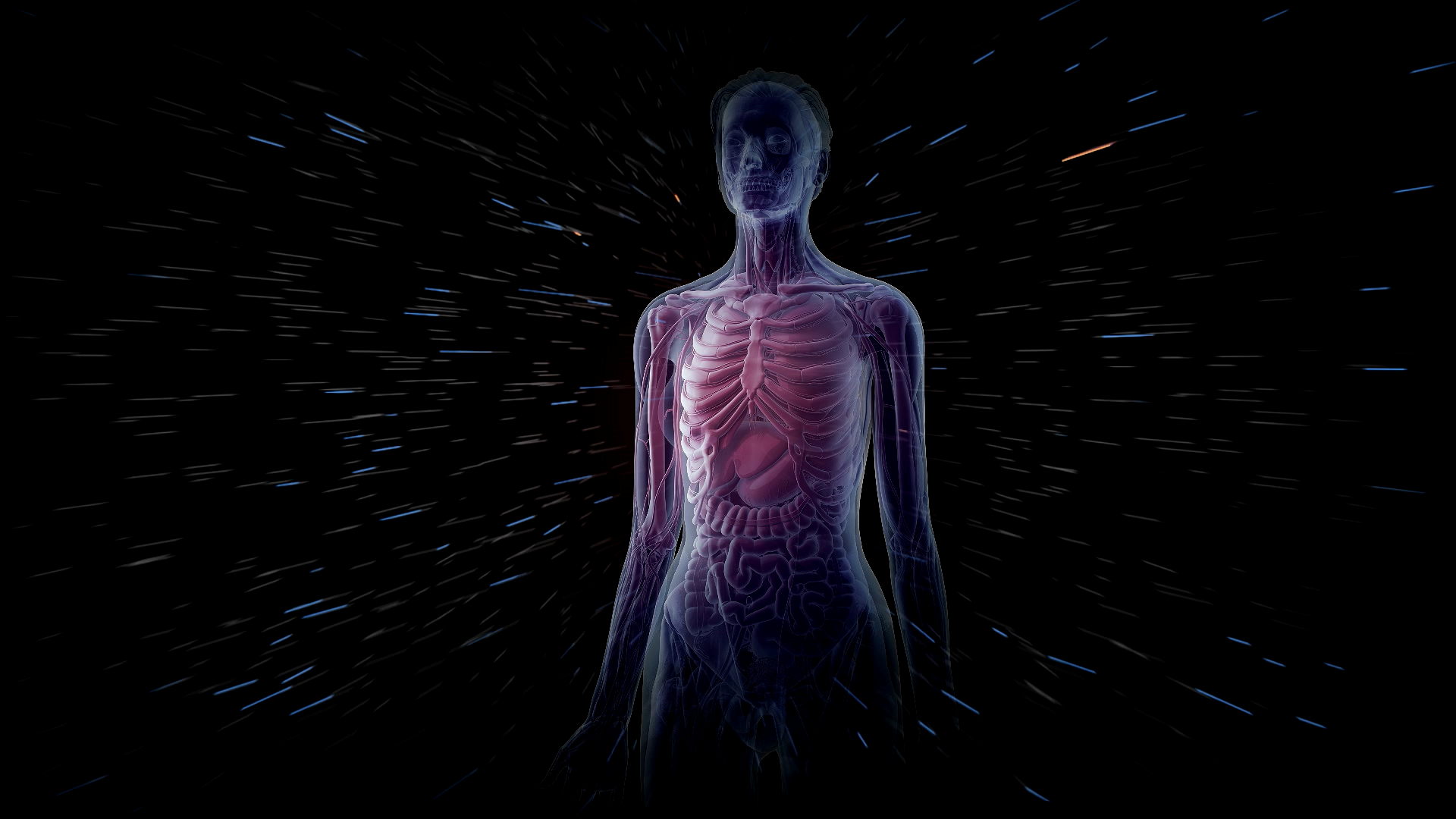
Space Radiation Sparks A Biological Cascade Of Cancer
Deep space travel comes with a huge potential downside - radiation exposure that can kill an astronaut either quickly or slowly over time if not managed correctly. But what exactly does that mean, and is there any way to handle it other than sticking more and more protective layers between the squishy biological systems inside a…