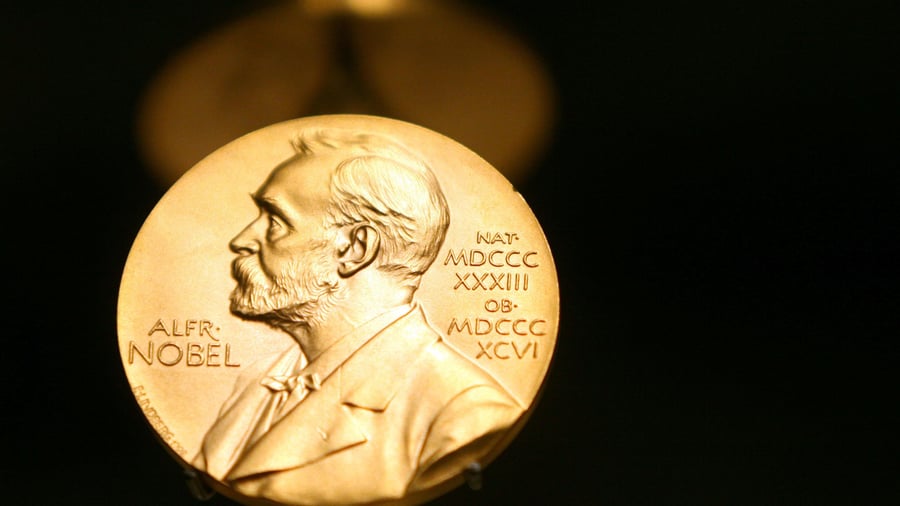
Scientists who revealed how brain shapes memories win Nobel
Trio wins Nobel medicine prize for optogenetics work
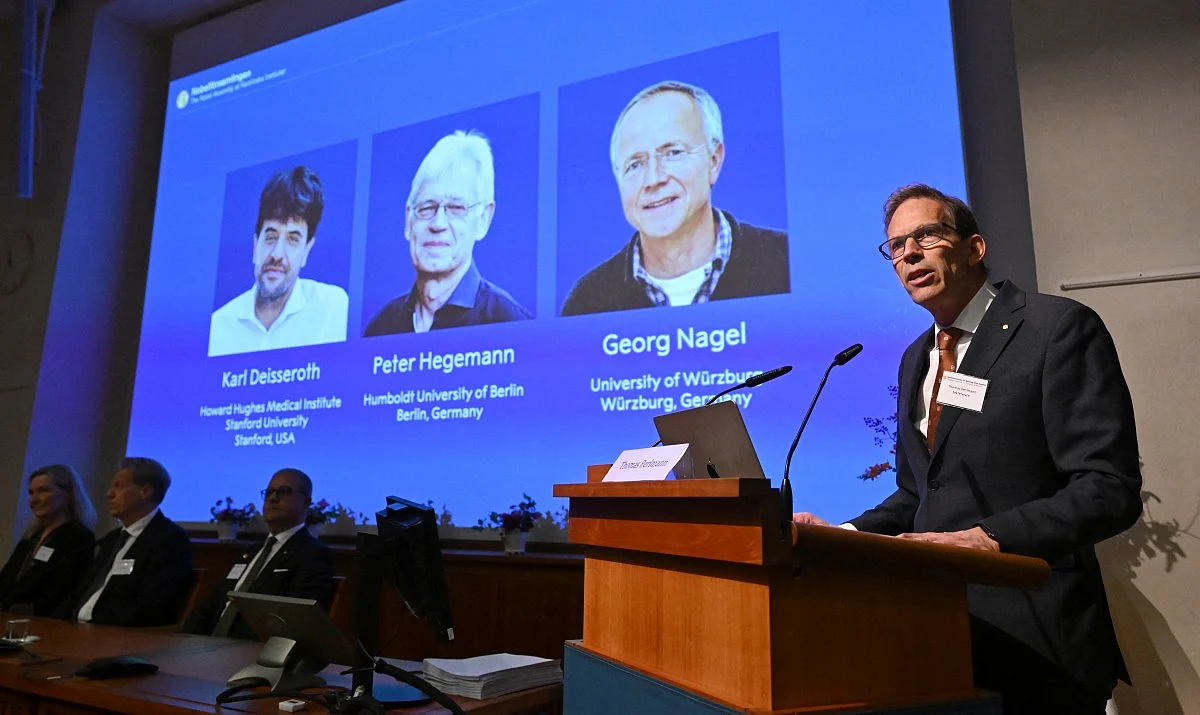
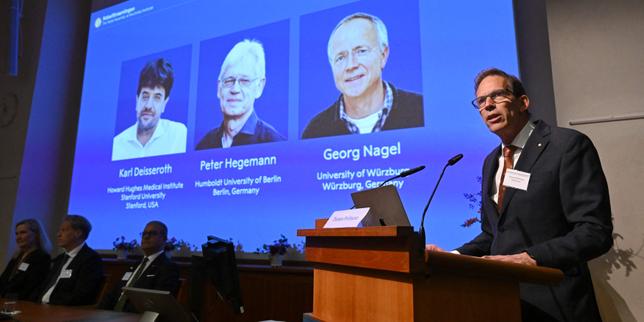
The Nobel Prize in Medicine was awarded to US psychiatrist and neurologist Karl Deisseroth, as well as German scientists Peter Hegemann and Georg Nagel. Their groundbreaking work in optogenetics has allowed researchers to better understand how specific cell types contribute to various behaviors, including learning, fear, addiction, and movement.
This revolutionary technique has the potential to lead to treatments for neurological and sensory disorders such as Parkinson's disease and epilepsy. By utilizing optogenetics, researchers have been able to uncover neural circuits governing particular memories, feelings, and behaviors relevant to neurological and psychiatric disorders.
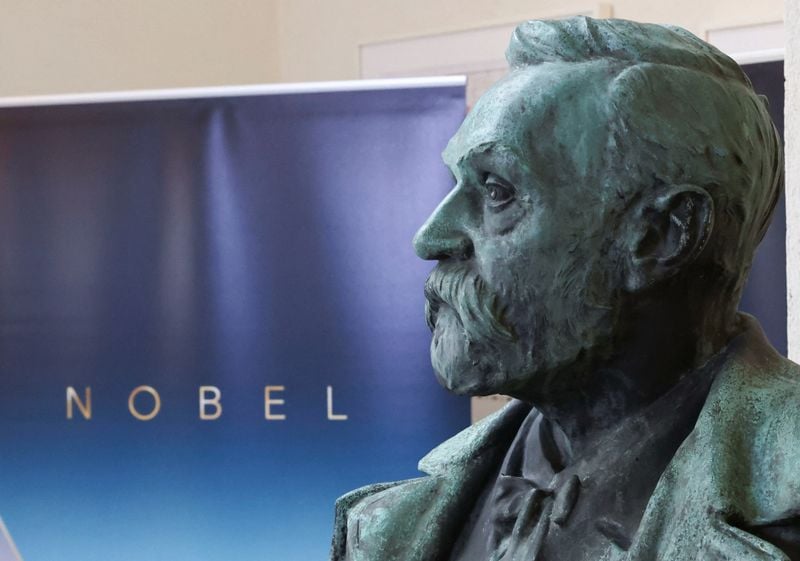
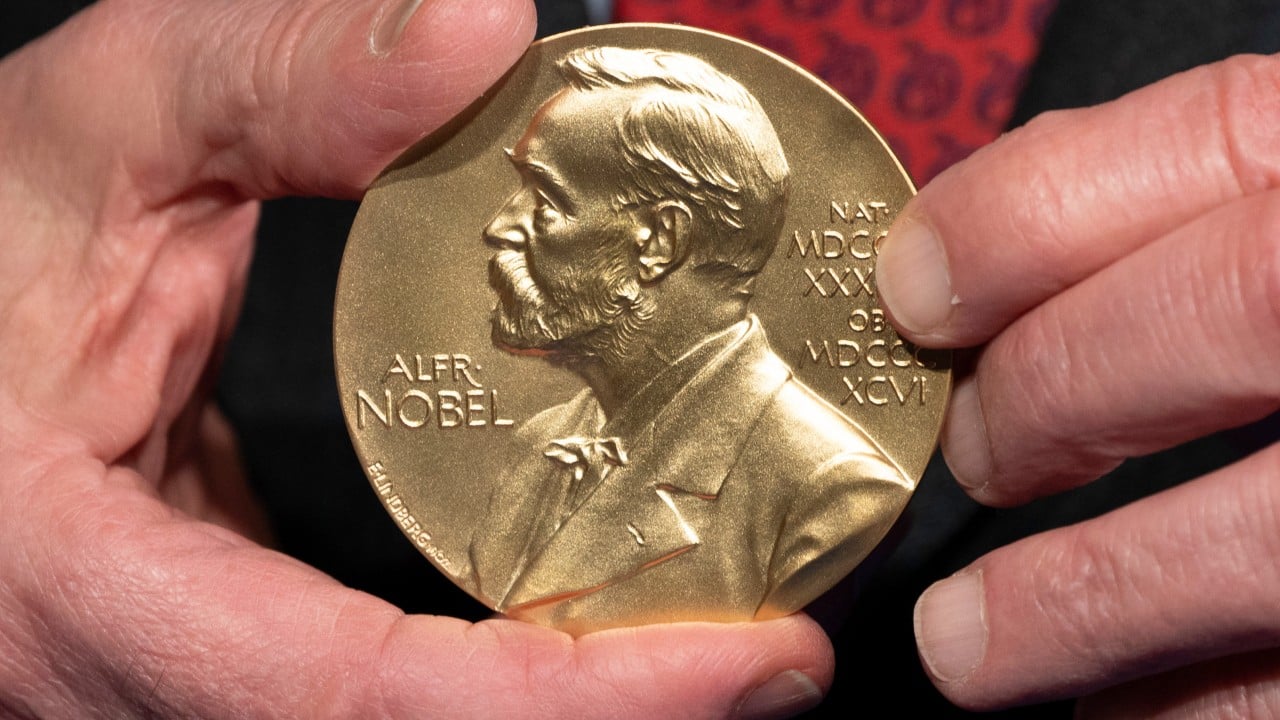
Clinical medicine is also benefiting from this method, as it is being employed to potentially restore sight in individuals with visual impairments. The Nobel Assembly expressed that optogenetics has fundamentally altered our understanding of the brain, with new discoveries being made daily. This year's prize recipients will receive their award - a diploma, a gold medal, and a $1.2-million cheque - during a formal ceremony in Stockholm on December 10, marking the anniversary of the prize's creator, Alfred Nobel's death in 1896.
Written by urgent.news from Gulf News's reporting — not their text. Machine-written — may contain errors; check the original before relying on it.
Also reported by 4 other outlets
- German, US scientists win Nobel prize for optogenetics rte.ie
- Medicine Nobel awarded for brain ‘switch’ that controls neurons with light: live updates nature.com
- Nobel medicine prize awarded to scientists for brain activity research abc.net.au
- Scientists win Nobel Prize in medicine for work on ‘light-gated ion channels and optogenetics’ japantimes.co.jp