German, US scientists win Nobel prize for work that has helped understand how the brain works
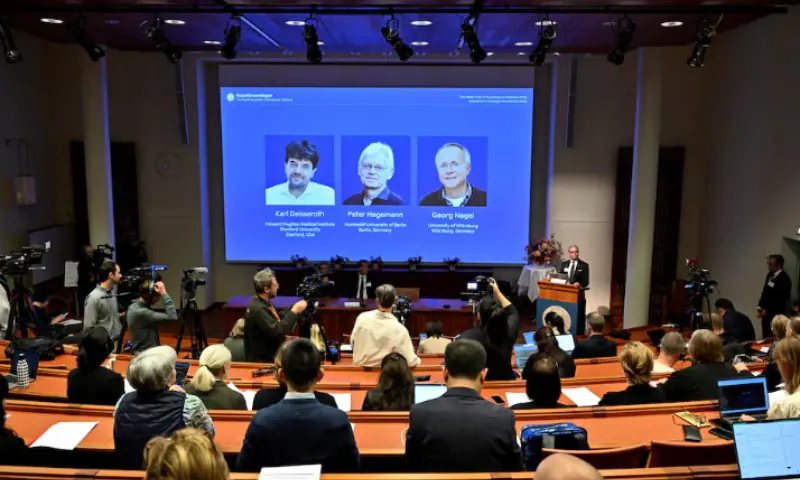
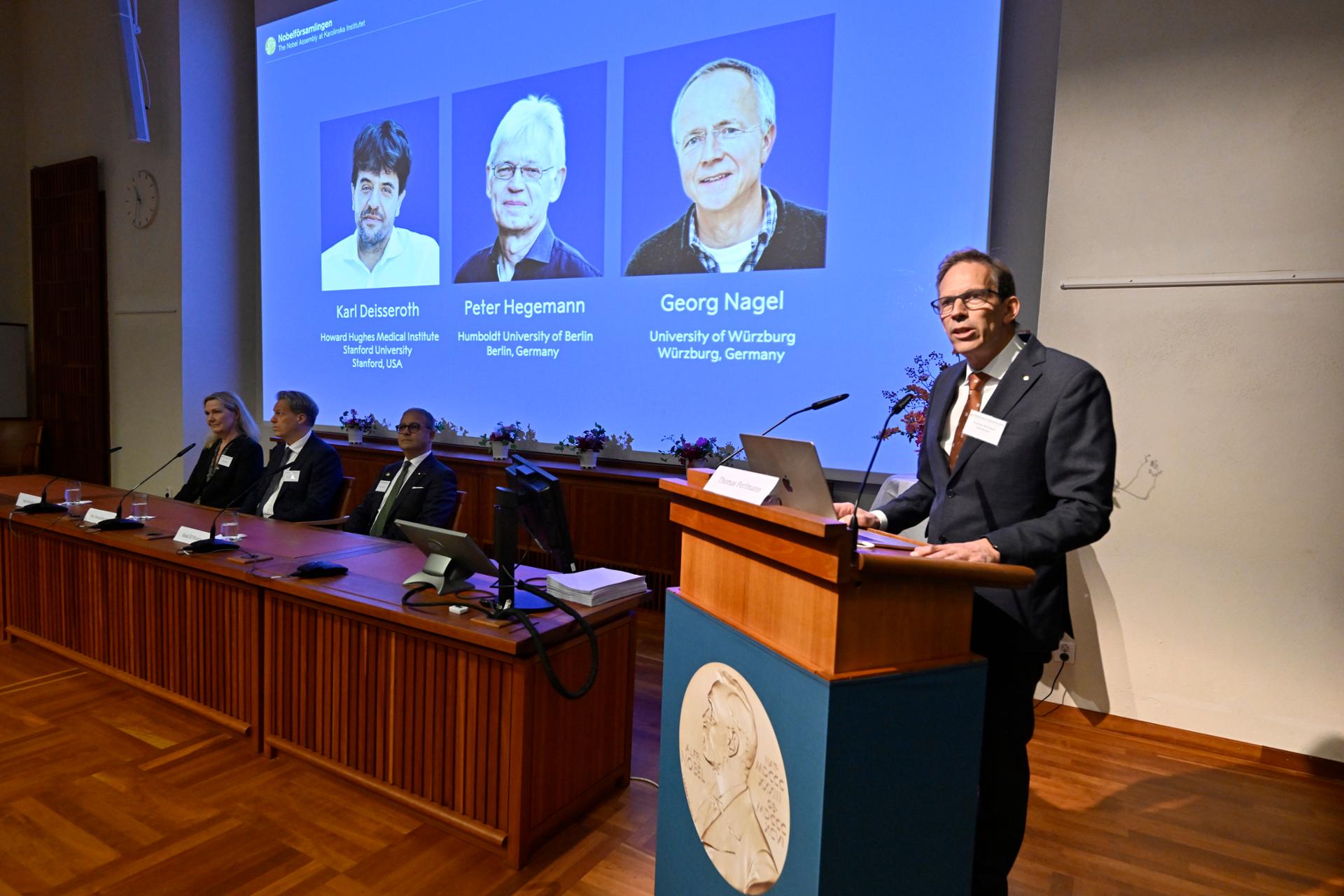
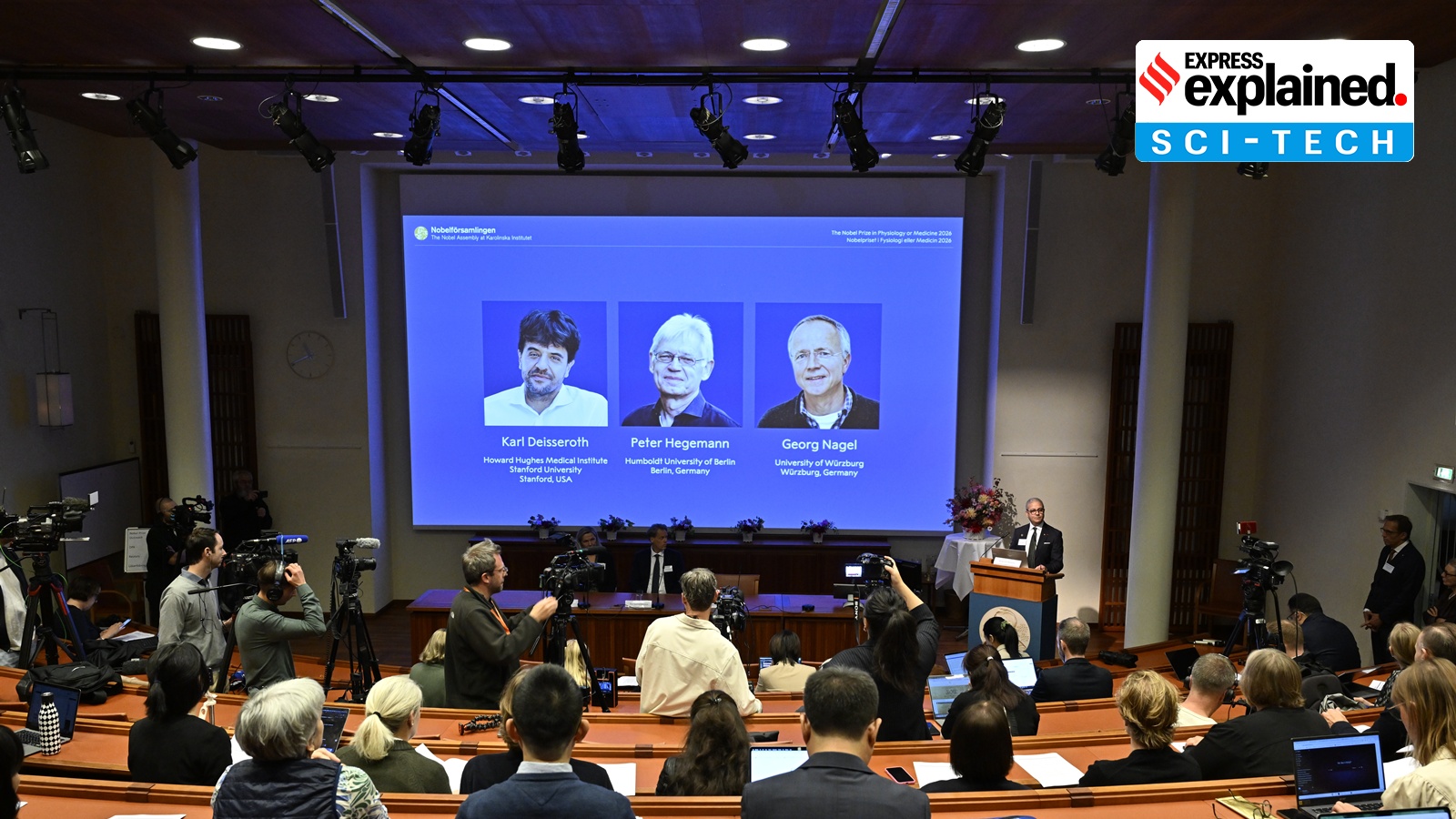
American Karl Deisseroth and Germans Peter Hegemann and Georg Nagel won the 2026 Nobel Prize in Physiology or Medicine on Monday for their discoveries on light and optogenetics that have helped understand how the brain works. The Nobel Assembly of Sweden’s Karolinska Institute medical university said Deisseroth, 54, Hegemann, 71, and Nagel, 73, were selected for their “discoveries concerning…
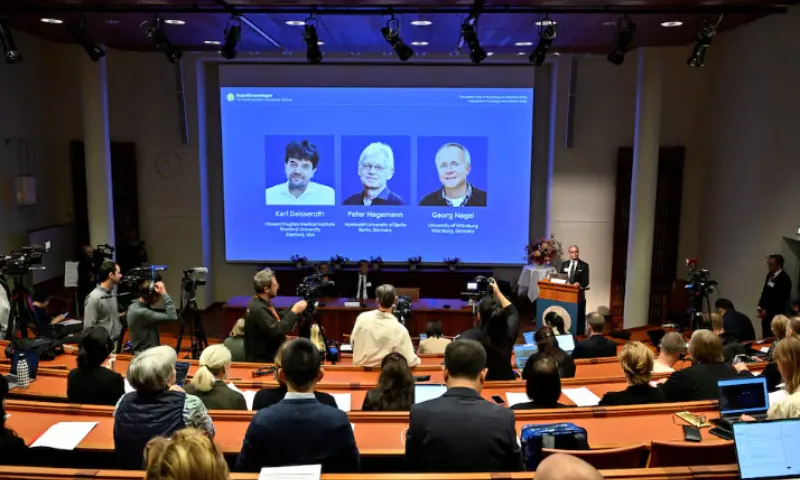
The 2026 Nobel Prize in Physiology or Medicine was awarded to American scientist Karl Deisseroth, German scientists Peter Hegemann and Georg Nagel, on Monday. This prestigious recognition was bestowed upon them for their groundbreaking discoveries in the fields of light-gated ion channels and optogenetics, which have significantly enhanced our understanding of how the brain operates.
The Nobel Assembly of the Karolinska Institute in Sweden made this announcement, highlighting the critical role of these discoveries in illuminating the complexities of the brain's functions. Optogenetics, as explained by the Nobel Assembly's Secretary-General, Thomas Perlmann, is a pioneering technique that allows scientists to precisely control the activity of individual nerve cells within a living brain by using light.
This groundbreaking method is now being utilized globally in research laboratories to unravel the mysteries of the brain. Notably, researchers are experimenting with optogenetics in clinical trials to address conditions like blindness caused by retinitis pigmentosa, with the hope of restoring vision by inserting light-sensitive proteins in the retina.
The potential applications of optogenetics extend beyond vision restoration; it could also revolutionize cochlear implants, offering more precise stimulation of the auditory nerve than current electrical devices. The Nobel Prize in Physiology or Medicine is traditionally the first award announced in the annual Nobel Prize ceremony, which also includes prizes in physics, chemistry, literature, peace, and economics.
The laureates for this year's prize – Deisseroth, Hegemann, and Nagel – will each receive a prize amounting to 12 million Swedish crowns, approximately $1.2 million. This year's recipients were surprised and delighted by the news. Peter Hegemann's initial investigations into the light-reactive properties of the alga Chlamydomonas in the early 1990s led to the discovery of channelrhodopsin-2, an ion channel that responds to light.
Collaborating with Georg Nagel, they successfully introduced this protein into human and hamster cells, enabling the generation of electrical impulses through light activation. Karl Deisseroth's subsequent work in 2003 demonstrated the feasibility of introducing this protein into nerve cells, a technique that he named optogenetics a year later.
The Nobel Assembly confirmed that all three laureates expressed their surprise and delight at receiving this prestigious award together, emphasizing the honor of sharing this achievement. The Nobel Prizes, established by Swedish inventor and industrialist Alfred Nobel in his will, have been awarded annually since 1901, with the exception of interruptions during World War I and World War II.
The medicine prize, which includes a share of the Nobel Prize awarded today, has honored numerous influential scientific discoveries, including Alexander Fleming's work on penicillin in 1945 and Karl Landsteiner's discovery of human blood groups in 1930. Recent laureates, such as American scientists Mary Brunkow and Fred Ramsdell and Japan's Shimon Sakaguchi, were recognized last year for their contributions to understanding the immune system's role in sparing healthy cells, paving the way for potential new cancer treatments.
The Nobel Prizes are chosen by expert committees appointed by the respective awarding institutions, with the ceremony taking place in Stockholm, except for the Peace Prize, which is presented in Oslo, a tradition rooted in the union between Sweden and Norway during Alfred Nobel's lifetime. Despite the passage of over 125 years since Nobel's death, the Nobel Prizes continue to uphold their traditional values, culminating in a celebration on December 10, the anniversary of Nobel's death, where laureates receive their awards in grand ceremonies attended by the royal families of Sweden and Norway, followed by gala banquets in their honor.
Written by urgent.news from Dawn's reporting — not their text. Machine-written — may contain errors; check the original before relying on it.