Space Radiation Sparks A Biological Cascade Of Cancer
Deep space travel comes with a huge potential downside - radiation exposure that can kill an astronaut either quickly or slowly over time if not managed correctly. But what exactly does that mean, and is there any way to handle it other than sticking more and more protective layers between the squishy biological systems inside a spacecraft and the radiative void of deep space? A new paper from…
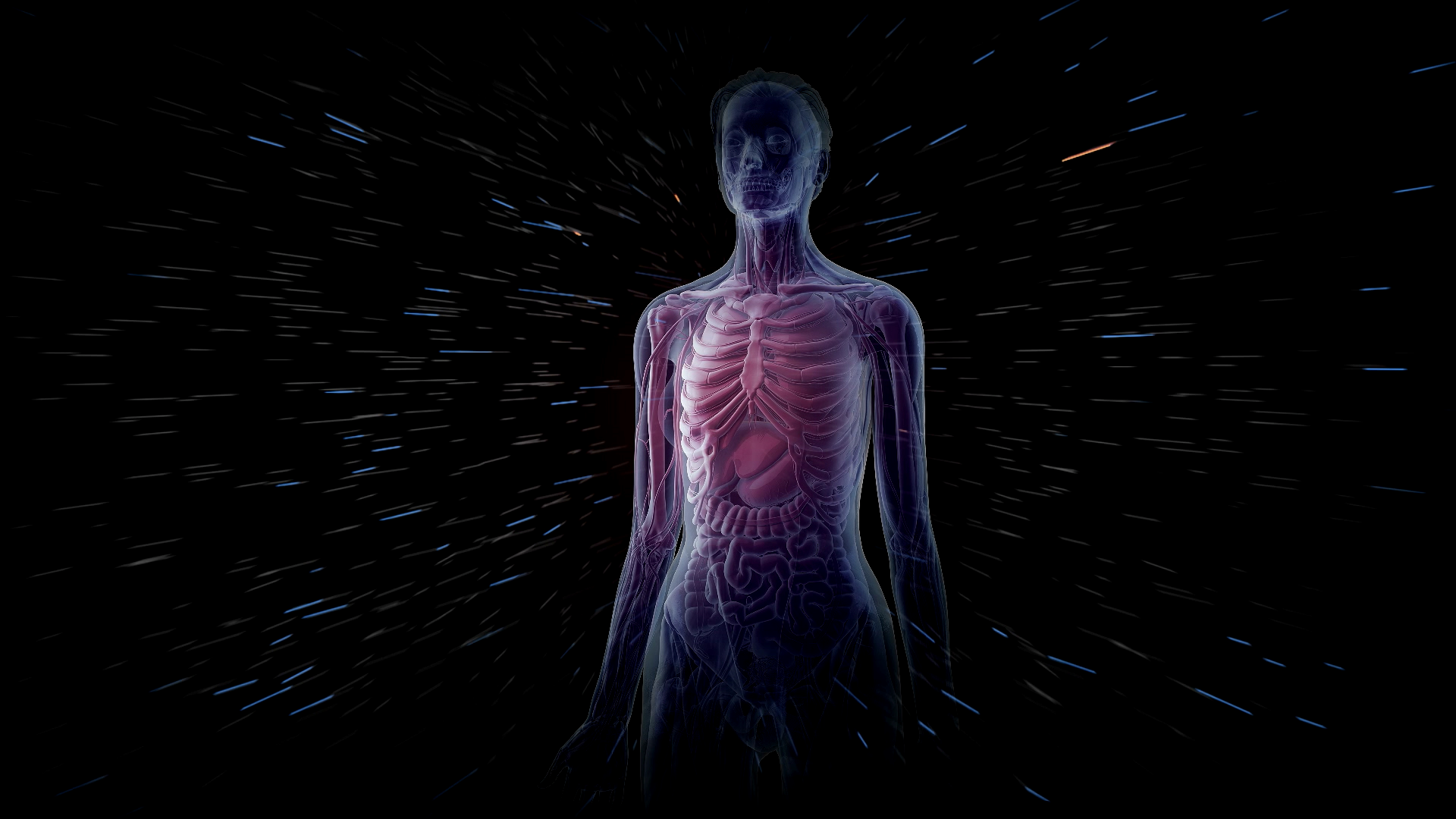
Space travel poses significant risks, particularly in terms of radiation exposure, which can have devastating long-term effects on astronauts' health. A new study from Oklahoma State University and the University of Texas Health Science Center seeks to shed light on these dangers and propose potential solutions. Galactic Cosmic Rays (GCRs) are the primary source of cancer in deep space travelers, as they consist of high-energy atomic nuclei that can penetrate the protective layers of spacecraft.
The most dangerous type of these ions are high-atomic number, high-energy ions, such as iron nuclei (Fe-56), which are particularly destructive to DNA.
Despite the relatively low direct hit rate of iron ions during a typical three-year round trip to Mars, the radiation-induced bystander effect poses a more significant threat. When a cell is hit by an iron ion, it triggers an inflammatory signaling cascade, activating a transcription factor called NF-B and producing inflammatory messenger molecules like Tumor Necrosis Factor-alpha (TNF-).
These molecules can affect neighboring cells even without direct contact, leading to increased free radical levels, double-stranded DNA breaks, and a higher risk of cancer development.
To further demonstrate the impact of radiation exposure, researchers conducted tests on mouse models, implanting non-cancerous epithelial cells that had been exposed to irradiated endothelial cells in mice. The implanted cells grew substantial tumors, indicating that cells not directly affected by radiation can still develop cancer due to their proximity to irradiated cells.
Additional data from the Space Omics and Medical Atlas experiment revealed systemic spikes in TNF- and heightened activity of anti-death genes triggered by radiation exposure, further confirming the biological cascade of cancer in space travelers.
However, there is a silver lining. By understanding the chemical signaling pathway responsible for the breakdown of cell function, researchers have discovered potential countermeasures. Inhibiting the TNF- receptor and halting NF-B activation can prevent cells from undergoing cancerous transformations. Combining these chemical interventions with advanced shielding techniques, such as water walls and hydrogen-rich polymers like polystyrene, could greatly reduce the likelihood of cancer in future deep space travelers.
Nevertheless, further research is needed to validate the effectiveness of these protective techniques before sending more humans into the hazardous environment of space.
Written by urgent.news from Universe Today's reporting — not their text. Machine-written — may contain errors; check the original before relying on it.