The earliest known plague outbreak happened in what is now Russia 5,500 years ago. Scientists found the evidence in ancient teeth.
About 5,500 years ago, several dozen hunter-gatherers died near Lake Baikal. DNA from the bacterium that causes plague survived in their teeth. Science journalist Ilya Kabanov, who runs the Telegram channel Laiflong Muki, explains how a study of ancient burial grounds became something of a detective story — and why the discovery changes our understanding of the history of epidemics.
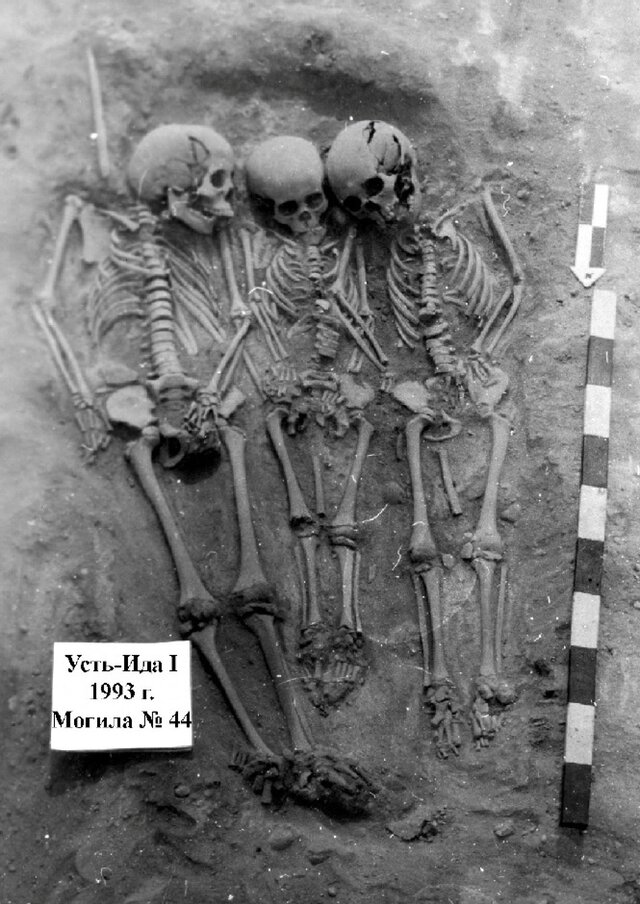
Around 5,500 years ago, a group of hunter-gatherers near Lake Baikal in present-day Russia faced a mysterious epidemic. These ancient people, who were not farmers or city-dwellers, lived off the land, hunting deer, moose, fish, and marmots. Despite their simple lifestyle, they left behind evidence of their existence in burial grounds scattered across the Angara River.
Archaeologists found that these hunter-gatherers shared recent ancestors and likely traveled along the river, maintaining social connections. Their burial practices varied, with bodies sometimes laying parallel or perpendicular to the river. A recent study published in Nature revealed that 18 out of 46 people buried near Lake Baikal had traces of Yersinia pestis, the bacterium responsible for plague.
The findings suggest that this plague outbreak occurred among small hunter-gatherer communities, not isolated cases, as the infected people were buried together, often with family members, and showed high child mortality. The researchers concluded that plague was an important part of human history, playing a role in shaping our species' past.
Written by urgent.news from Meduza (English)'s reporting — not their text. Machine-written — may contain errors; check the original before relying on it.