Urgent.News

What's breaking now, across thousands of outlets.

Continued

Science

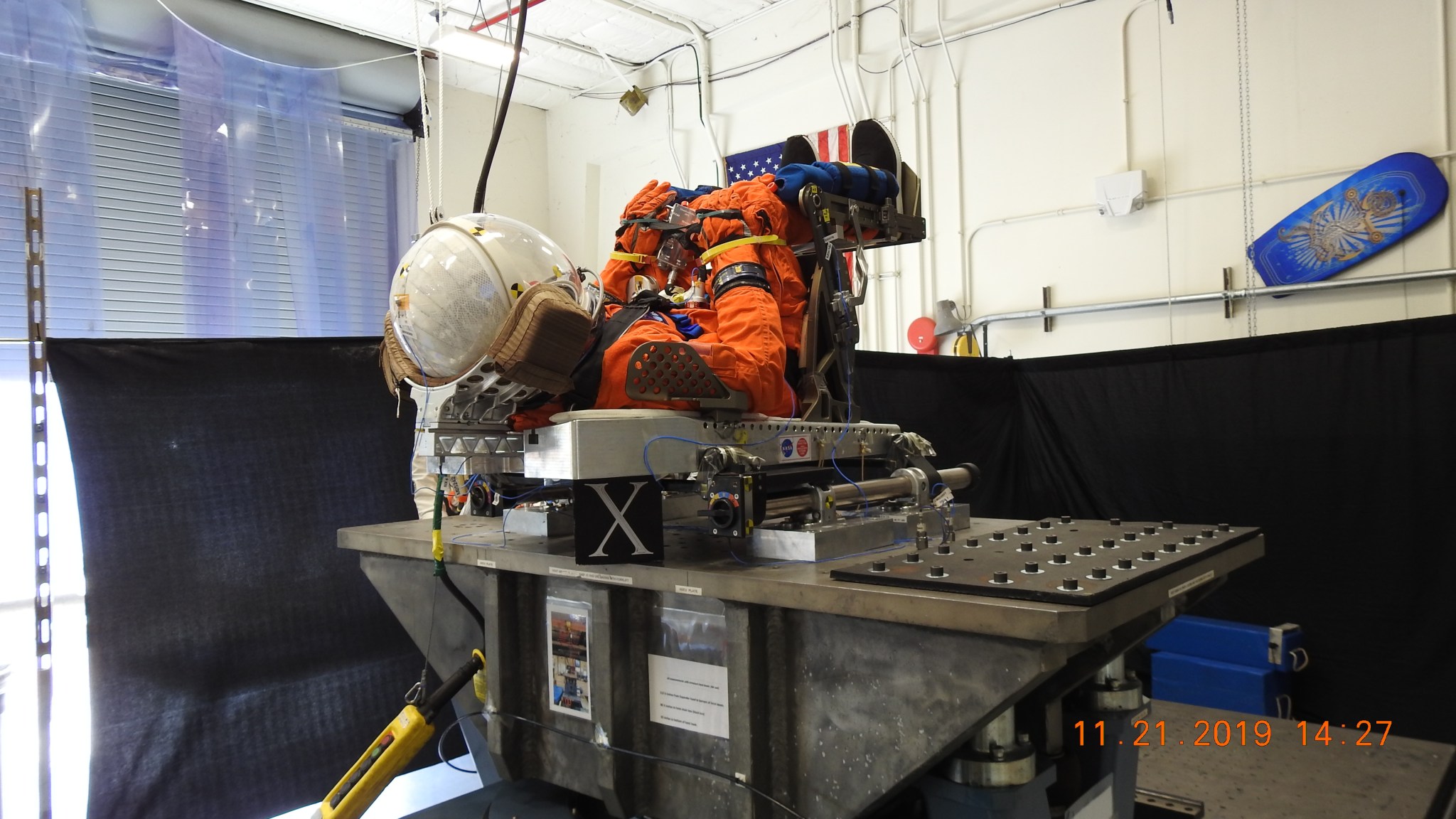
Rocket Lab reports record quarter amid Iridium takeover bid

Sir Peter Beck's Rocket Lab posted record revenue and order backlog, but remained loss-making in the second quarter.

  • Rocket Lab reported US$234 million in revenue, a 62% increase from last year's Q2.
  • The company incurred a net loss of US$49 million, down from US$66 million in the previous year.
  • Rocket Lab aims to acquire Iridium for diversification into communication services.

Finance & Markets

Korean Air Lines and other domestic airlines are expected to shoulder 3.355 trillion won in additional costs. However, they have secured only 3.6 percent of the carbon emission allowances they need. The International Civil Aviation Organization (ICAO) has decided on a global carbon offset and reduction system for international aviation, known as CORSIA. Under CORSIA, airlines will have to offset 2.5 percent of their 2019 emissions from 2024 and 62.5 percent by 2035. Korean Air Lines, Asiana Airlines, Jeju Air, Jin Air, T'way Air, and Air Busan are among the 37 airlines that fall under the plan. As of 2019, Korean Air Lines had 13.57 million tons of emissions, making it necessary to purchase 14.6 million tons by 2035. However, as of last month, Korean Air Lines had secured only 530,000 tons, or 3.6 percent, of the allowances it needs. Asiana Airlines had 7.58 million tons of emissions in 2019 and will have to purchase 8.2 million tons by 2035. Asiana Airlines has secured 240,000 tons, or 2.9 percent, of the allowances it needs. The six airlines in total had 32.83 million tons of emissions in 2019 and will have to purchase 35.49 million tons by 2035. However, they have secured only 1.29 million tons, or 3.6 percent, of the allowances they need. The airlines will have to purchase more allowances to make up for the shortage. The cost of purchasing the allowances is expected to be substantial. The price of allowances traded on the European Union's carbon market last month was 74.4 euros per ton. If the six airlines purchase the 34.2 million tons they need at this price, they will have to pay 2.54 trillion won. Adding 800 billion won in costs for the airlines to directly reduce their emissions makes a total of 3.355 trillion won. The airlines are complaining that it is unfair to apply the same rules to them as to European Union companies. The European Union's Emission Trading System (EU ETS) has been in place since 2005 and gives companies a sufficient lead time to prepare. In contrast, CORSIA will be implemented in phases, starting in 2024. The domestic airlines are requesting a transition period. However, the government has said it will not help with costs. The Ministry of Land, Infrastructure and Transport said last month that it will encourage airlines to gradually prepare for the implementation of CORSIA through education and consulting. The ministry said it will review whether to support the airlines in the future.

Culture

Bougainville president warns of going against peace process

Bougainville's President says if PNG's parliament refuses to back the 2019 referendum result it will undermine the peace process.

  • Referendum saw 97.7% vote for independence, a sealed, certified fact for Bougainville people.
  • Toroama criticizes PNG parliament's actions as bureaucratic evasion and historical revisionism.

Health & Medicine

Ukrainian drone attack on major oil refinery and industrial zone in Russia’s Nizhnekamsk kills 13, officials say

The Ukrainian military attacked a major oil refinery in the city of Nizhnekamsk in Tatarstan early on Monday morning, with local officials saying drones struck multiple areas across the city. At least 13 people have been confirmed killed, according to a report by local governor Rustam Minnikhanov, while Nizhnekamsk mayor Radmir Belyayev…

Business

Peabody Argentina Stops Production, Shifts to Imports

Peabody Argentina has ceased local manufacturing, moving production to Paraguay and Asia, citing high costs and taxes, with significant job losses.

  • Peabody Argentina stops local production, imports from Paraguay and Asia
  • Company reduces workforce from 158 to 111, losing 47 jobs
  • Strategic shift reflects high costs and economic instability in Argentine appliance sector
Continue reading →