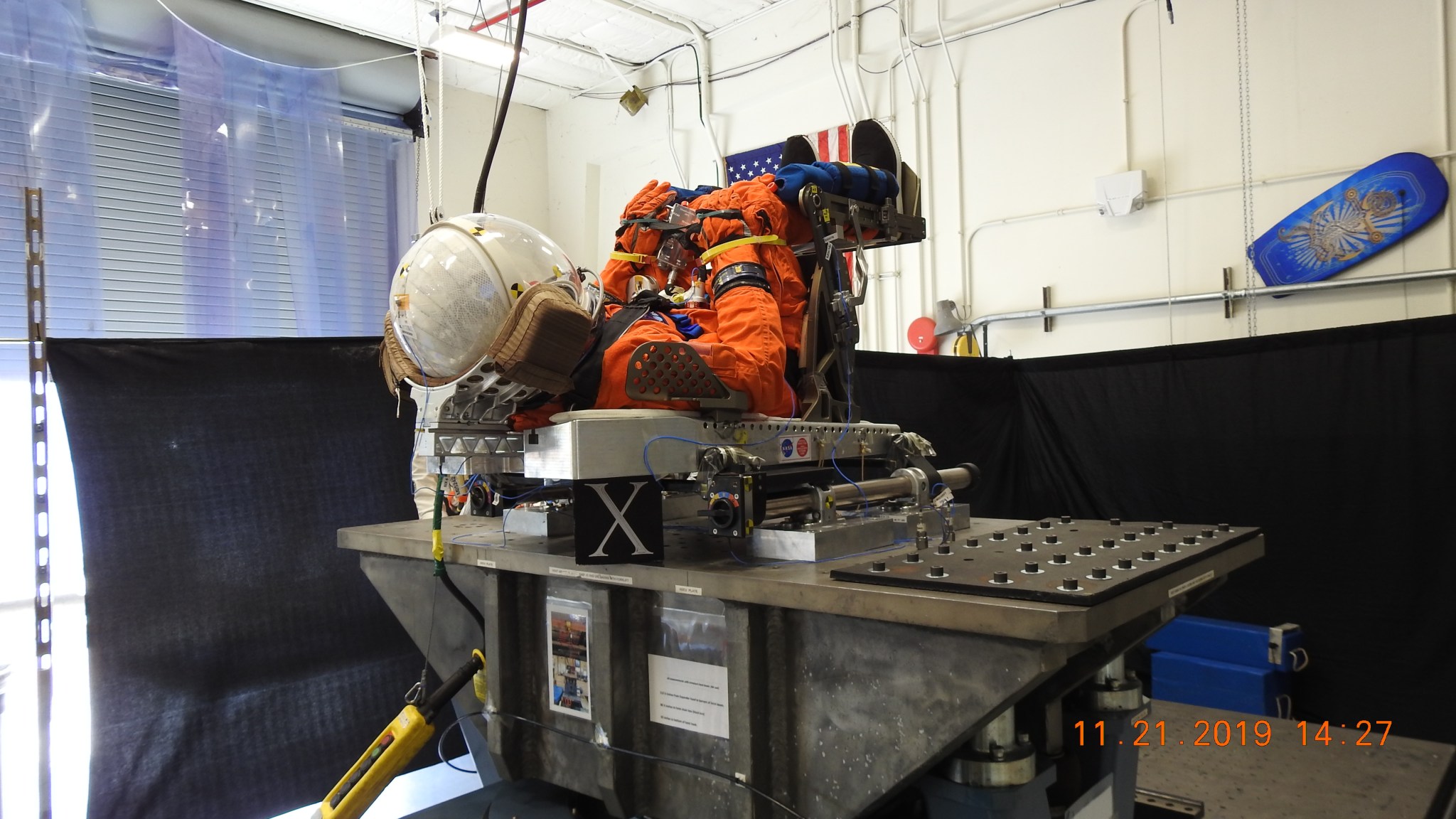
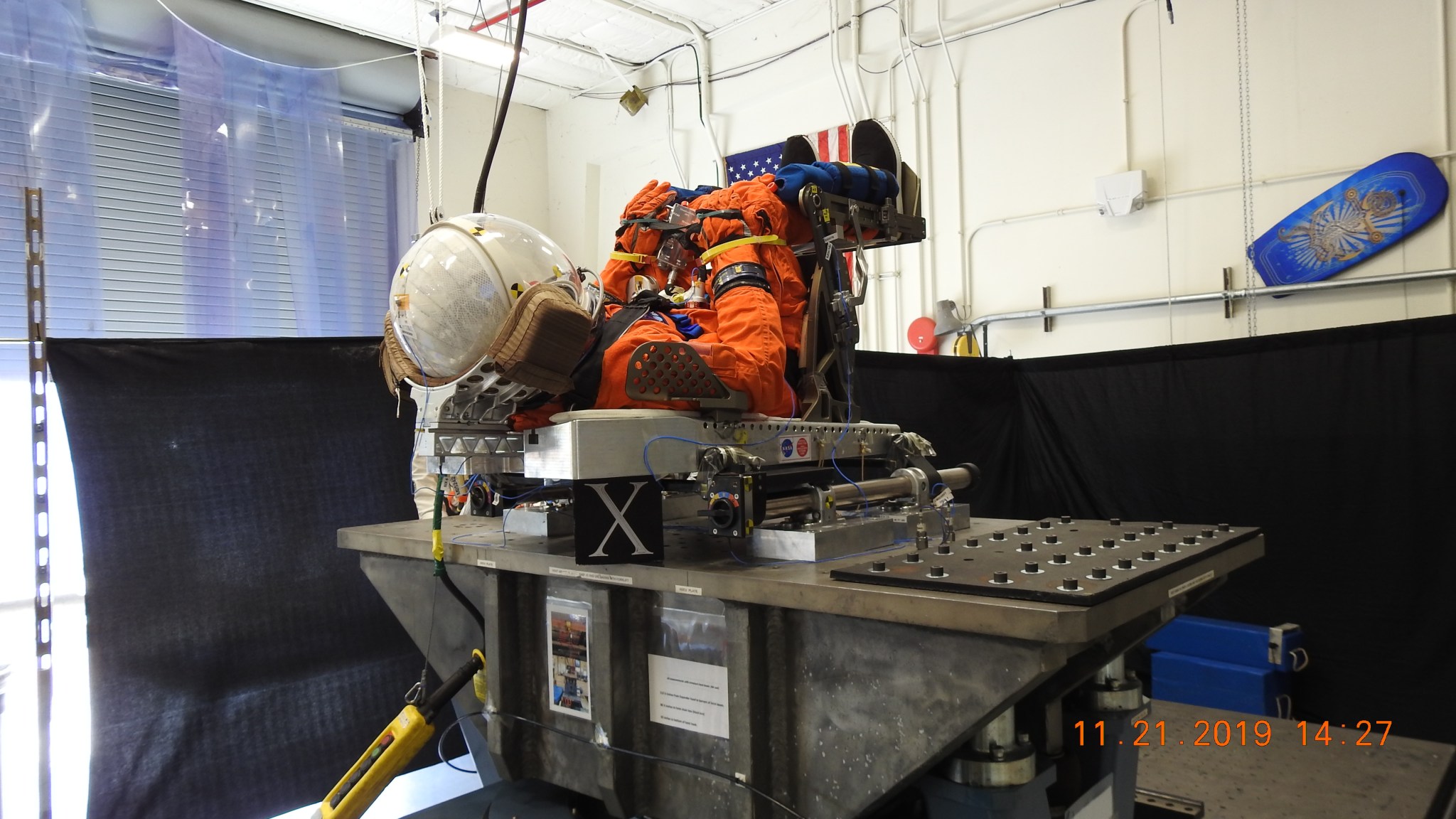
The Vibration Test Laboratory (VTL) Capabilities
Capabilities The post The Vibration Test Laboratory (VTL) Capabilities appeared first on NASA Science .
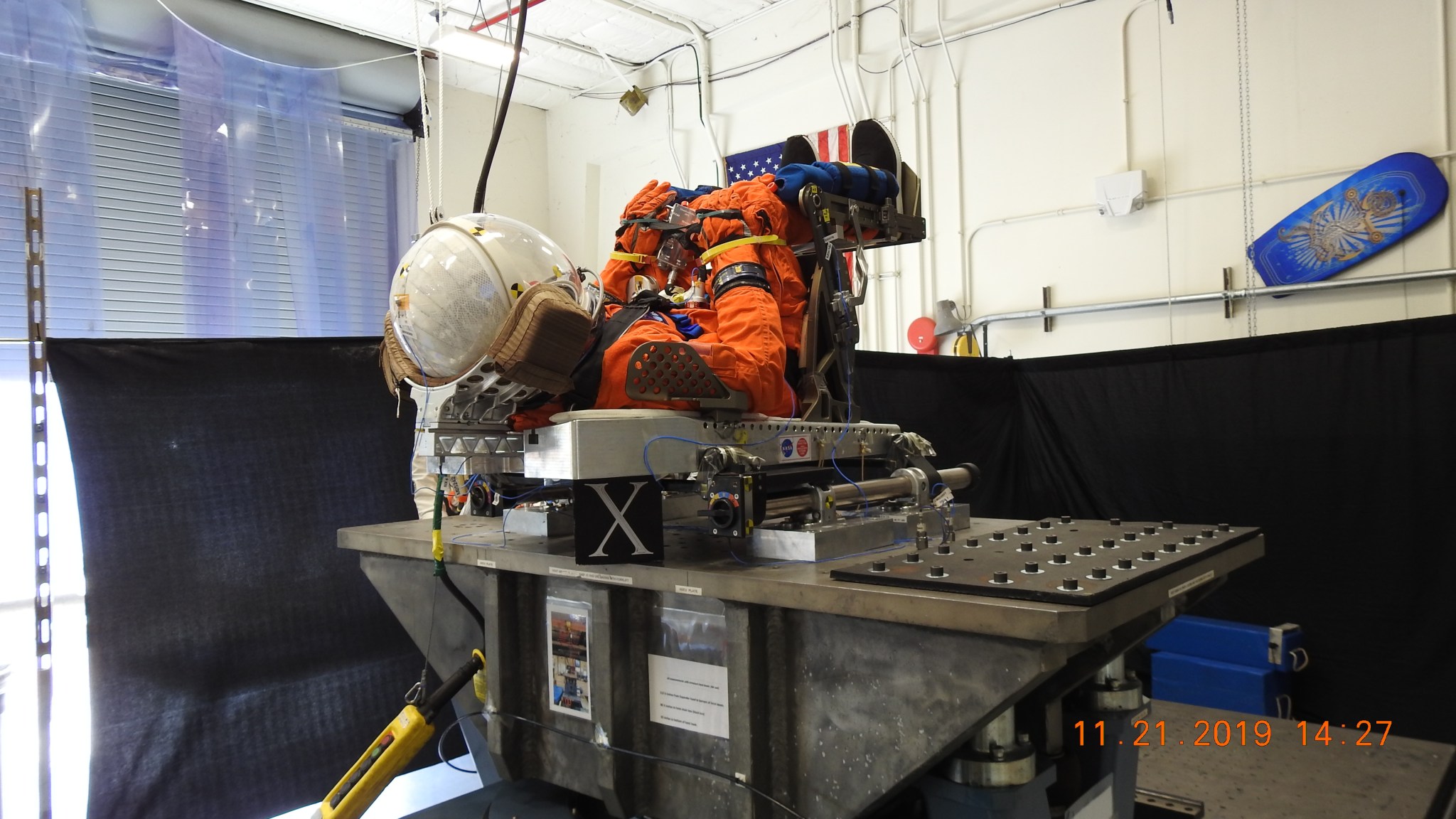
The Vibration Test Laboratory (VTL) at NASA's Kennedy Space Center in Florida is a state-of-the-art facility operated by the National Aeronautics and Space Administration. This laboratory serves as a crucial hub for the exploration and discovery of space, working alongside numerous U.S. contractors, academic institutions, and international partners to push the boundaries of knowledge for the betterment of humanity.
One of the VTL's impressive capabilities is its Unholtz-Dickie Model 2XSAI240-T5500-3-43 Electrodynamic Shaker System. This system boasts a continuous rating of 55,000 lbf peak, with the ability to generate maximum free table acceleration of 143g, a maximum velocity of 90 inches/sec, and a peak-to-peak stroke of 3 inches. The system also features a 6-foot by 6-foot hydrostatic slip table with an astonishing 6,000,000 in-lbs. of pitch moment.
Another notable system is the Unholtz-Dickie Model 2XSAI240-T-1000-32LH/ST Electrodynamic Shaker System, which can continuously generate a shock force rating of 22,000 lbf peak. This system can produce a maximum free table acceleration of 200g, a maximum velocity of 70 inches/sec, and a peak-to-peak stroke of 2 inches. The 48-inch by 48-inch slip table supports a 140,000 in-lbs. pitch moment and an expander head.
The VTL also houses the Unholtz-Dickie Model T208IAR Electrodynamic Shaker System, which is designed to generate a shock force rating of 10,000 lbf. This system can produce a maximum free table acceleration of 2750g, a maximum velocity of 140 inches/sec, and a peak-to-peak shaker stroke of 0.9 inches. With a SRS Shock rating ranging from 3000g to 10 kHz, this system is well-equipped to handle a variety of testing requirements.
To complement these shaker systems, the VTL features a range of advanced measurement tools. The Correlated Solutions VIC-3D Digital Image Correlation Measurement System allows for precise digital image correlation analysis. Additionally, the VTL employs two IDTMotionPROY4S2 High Speed Cameras with synchronized LED lighting, seven HD SDI Spy Cameras, and sixteen APEX Controller channels that can be sampled up to 72kHz and 12,288 Hz.
Furthermore, there are an additional thirty-two channels that can be sampled up to 100kHz using the NI cDAQ-9137 system. The VTL also utilizes a Polytec OFV-505 Single Point Sensor Head, paired with an OFV-2500-2 Vibrometer Controller that outputs velocity and displacement measurements.
Written by urgent.news from NASA Science's reporting — not their text. Machine-written — may contain errors; check the original before relying on it.