U.S. national primate research centers face an uncertain future
The facilities were meant to last 100 years. Four decades shy of that mark, amid flatlined funds and mounting political pressure, their directors are trying to find a path forward.
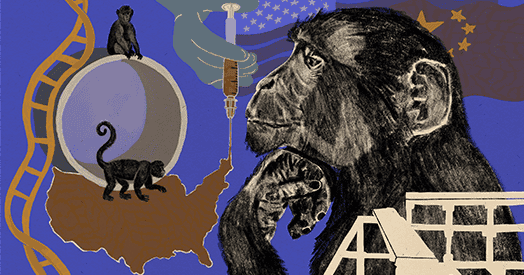
The U.S. national primate research centers, established six decades ago, are now facing an uncertain future as federal support remains stagnant and political pressure mounts. Despite their historical role in groundbreaking research, including the development of the COVID-19 vaccine, personalized gene therapies, and advancements in neuroscience, these centers have struggled to keep pace with demand during the COVID-19 pandemic.
With a major alternative supply source from China disappearing and commercial vendors' prices soaring, primate research has taken on greater importance. However, government efforts to ramp up funding have fallen short, with federal funding for the centers remaining relatively flat for nearly two decades. Furthermore, recent policy shifts have cast doubt on the future of nonhuman primate research.
The CDC announced it would end primate research, the FDA plans to phase out animal testing, and the NIH declared its intention to reduce animal use in funded research. Some centers have even begun to reduce their monkey populations or change their names to signal a shift away from primate work. While some researchers advocate for alternative methods, like organoids and computational models, the Chinese government is investing heavily in primate research, potentially leaving the U.S. behind in key areas of scientific discovery.
Written by urgent.news from The Transmitter's reporting — not their text. Machine-written — may contain errors; check the original before relying on it.