What if nonhuman primate research goes away?
As the U.S. government takes steps to stop using nonhuman primates in research, The Transmitter investigates what that shift could mean for neuroscience.
The U.S. government is phasing out the use of nonhuman primates in research, prompting The Transmitter to examine the potential implications for neuroscience. In recent years, the federal government has taken various actions to reduce animal research and focus on alternative methodologies, such as computational modeling and organoids.
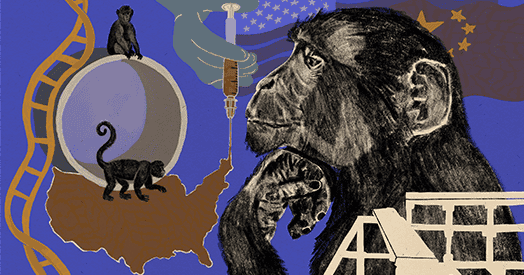
Primates have been especially at risk: the CDC ceased its primate research program and the NIH approached a national primate research center to transform it into an animal sanctuary. Moreover, U.S. Department of Health and Human Services Secretary Robert F. Kennedy Jr. has expressed his deep commitment to ending animal experimentation and closing all research-related monkey imports.
To assess whether neuroscience still relies on nonhuman primates and if alternative techniques can replace them, The Transmitter reviewed numerous research papers and government documents and interviewed over 40 scientists. The outlet plans to release four installments detailing its findings, with the first two published today. The first installment explores the outstanding questions in neuroscience that necessitate the use of primates, while the second installment focuses on the challenges facing the U.S. national primate research center program.
Subsequent stories will delve into the evolving landscape of autism monkey models and the efforts to address the limitations of organoids.
Written by urgent.news from The Transmitter's reporting — not their text. Machine-written — may contain errors; check the original before relying on it.