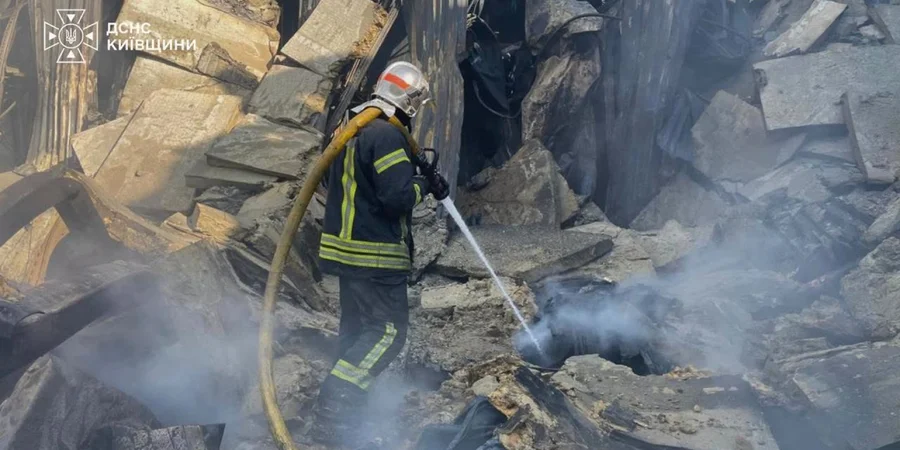
Trump rejects Iran's Hormuz plan, asserts US has imposed 'greatest blockade in military history'
Iran offered a plan to reopen the strategic Strait of Hormuz, Tehran said on Friday, but US President Donald Trump said he rejected the proposal. The waterway, key to the world’s oil supply, is central to the conflict between the United States and Iran, which is at a stalemate after nearly seven months . But new mediation efforts at the UN’s gathering of world leaders in New York this week…
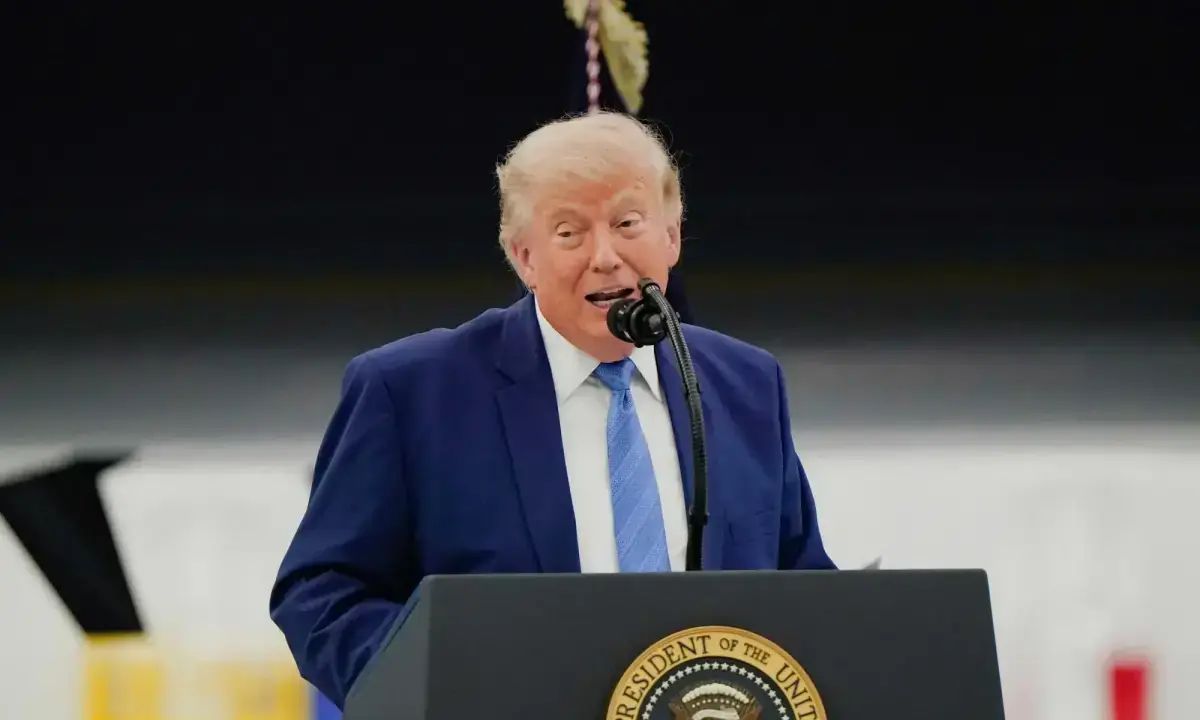
Iran presented a plan on Friday to reopen the strategic Strait of Hormuz, but US President Donald Trump rejected the proposal. The waterway, crucial to global oil supply, lies at the heart of the ongoing conflict between the United States and Iran, which remains at a stalemate after nearly seven months of tension. Recent mediation efforts at the UN summit in New York provided some hope for progress toward a resolution.
Iran's Foreign Minister Abbas Araghchi met with US envoy Steve Witkoff on Tuesday, presenting a seven-day proposal. If the agreed conditions were met, the strait could be reopened and normal maritime passage restored within a week, according to Araghchi. However, Trump stated at the White House that Iran had made a proposal, but he had rejected it.
He suggested Iran was seeking an immediate deal due to their dire financial situation, claiming they proposed it because they were "dying" without incoming money. Trump emphasized the US had established the "greatest blockade in military history" and that Iran was now without funds after attempting to close the strait. The Wall Street Journal reported earlier that Trump dismissed the proposal, citing skepticism about Tehran's willingness to meet his demands.
He also hinted at a potential return to airstrikes against Iran, posting a map on his platform marking the strait with the label "Trump Strait." Reports indicated the new plan would involve a seven-day ceasefire, including in Lebanon, the release of frozen Iranian assets worth at least $12 billion, and the elimination of sanctions on Iranian oil and US naval blockade.
Iran's President Masoud Pezeshkian stated that the ceasefire would begin upon acceptance by the US, with a return to the pre-war status quo if the US agreed. Additionally, Iranian Revolutionary Guards spokesman Hossein Mohebi revealed that ending hostilities in Yemen was among Tehran's demands. The US and Iran signed a Pakistan-mediated memorandum of understanding in June to end the war, reopen the strait, and initiate talks on Iran's nuclear program; however, the agreement fell apart after Iran attacked commercial ships in Hormuz, suspecting they had deviated from approved routes.
Written by urgent.news from Dawn's reporting — not their text. Machine-written — may contain errors; check the original before relying on it.
This story
This is one outlet's version. Read the fullest account.
- Trump rejects Iranian proposal to open Hormuz and end fighting channelnewsasia.com
- Trump rejects Iran proposal for deal to reopen Hormuz gulfnews.com
- Trump rejects Iran proposal for deal to reopen Hormuz scmp.com
- Trump rejects Iranian proposal to open Hormuz and end fighting brecorder.com
- Trump says he rejected the latest Iranian proposal axios.com
- Trump rejects Iran’s proposal to reopen the Strait of Hormuz globalnews.ca
- Trump says he rejected Iranian proposal to reopen Strait of Hormuz and end hostilities dw.com
- Trump rejects Iranian proposal to open Hormuz and end fighting al-monitor.com