Climate change likely to have helped trigger Nepal glacier collapse, scientists say
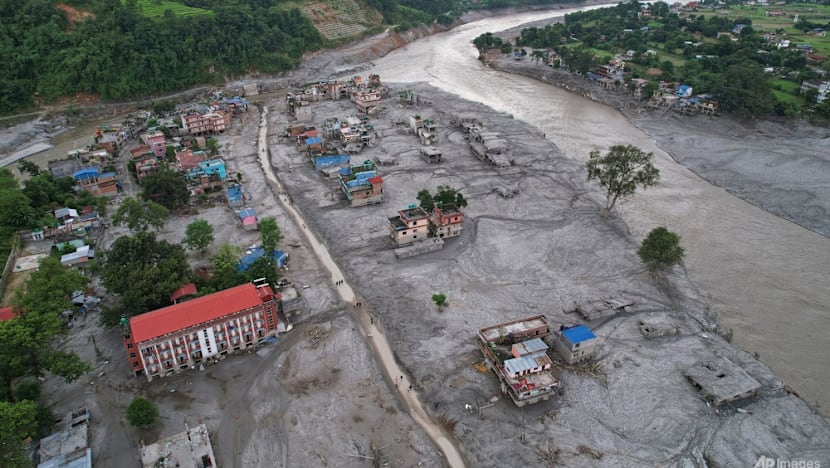
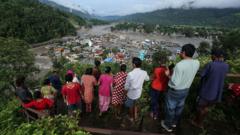
Scientists believe climate change likely played a role in the catastrophic glacier collapse in Nepal and Tibet, which resulted in flooding and the deaths of approximately 1,400 people in late August. Rapidly warming temperatures in the region have caused glaciers to thin and melt, including ice and permafrost buried in the Himalayan bedrock.
According to the World Weather Attribution group, mean temperatures were around 5°C higher than normal in August, with 1.5°C of the increase attributed to human-induced climate change. Unusually high snowfall in October and November added to the volume of meltwater, which could have contributed to the glacier collapse. The study also suggests that melting permafrost weakened the rock wall, while a 7.8 magnitude earthquake in 2015 may have further weakened the underlying bedrock, although its exact impact is unclear.
Written by urgent.news from Channel News Asia's reporting — not their text. Machine-written — may contain errors; check the original before relying on it.
This story
This is one outlet's version. Read the fullest account.
- Climate change made deadly Nepal glacier and rock collapse more likely, according to analysis winnipegfreepress.com
- Climate change led to Nepal landslide, scientists find rte.ie
- Climate change likely contributed to Nepal-Tibet glacier collapse, scientists say thevibes.com
- Climate change likely to have helped trigger Nepal glacier collapse, scientists say dailymaverick.co.za
- Climate change was key factor in deadly Nepal-China flood, scientists say euronews.com