Climate change led to Nepal landslide, scientists find
Climate change contributed to the conditions that led to last month's catastrophic rock and ice collapse on Nepal's northern border by thinning glaciers and thawing the frozen ground that helped hold the mountain together, scientists have concluded.
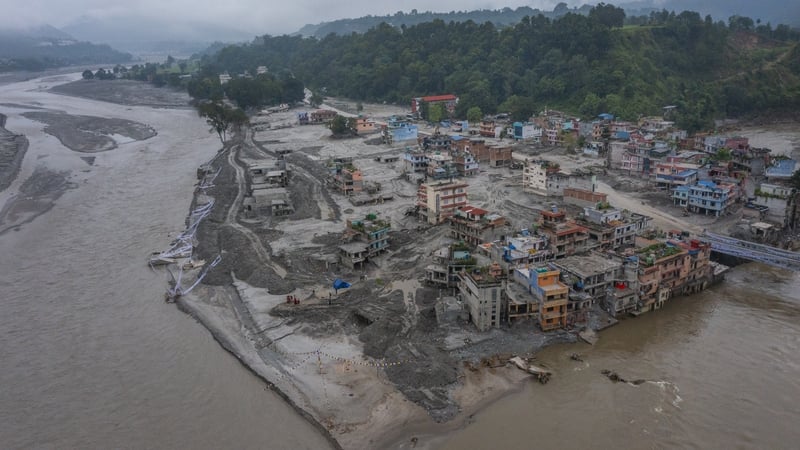
Scientists have determined that climate change played a significant role in the catastrophic landslide that occurred in Nepal last month. The event was not caused by a single extreme weather incident, but rather a combination of climatic and geological factors that gradually destabilized the mountain. Human-induced warming has raised the freezing threshold in the high Himalayas by approximately 100 meters per decade, causing previously frozen rock and permafrost to become exposed to warmer temperatures for longer periods.
This, combined with substantial glacier thinning and retreat, has removed the ice that previously supported and stabilized the mountain slope. The scientists also noted that the two months leading up to the disaster were the warmest July and August on record in the area, with exceptionally heavy snowfall during October and November potentially playing a role by providing large quantities of meltwater prior to the collapse.
The most significant long-term change, however, is occurring within the mountain itself, as centuries-old frozen rock, soil, and sediment are now thawing, allowing water to penetrate cracks and weaken slopes that were previously held together by ice. The report emphasizes that while the disaster was a compound crisis, the consequences of warming already experienced in the Himalayas will continue to unfold for decades, as glaciers and high-altitude permafrost respond slowly to changes in temperature.
Limiting further warming through rapid reductions in greenhouse gas emissions and the phase-out of fossil fuels remains critical to reducing the extent of future destabilization.
Brief written by urgent.news from RTE News's own syndicated text. Machine-written — may contain errors; check the original before relying on it.
This story
This is one outlet's version. Read the fullest account.