Climate change: Glacier loss and dry rivers threaten water security
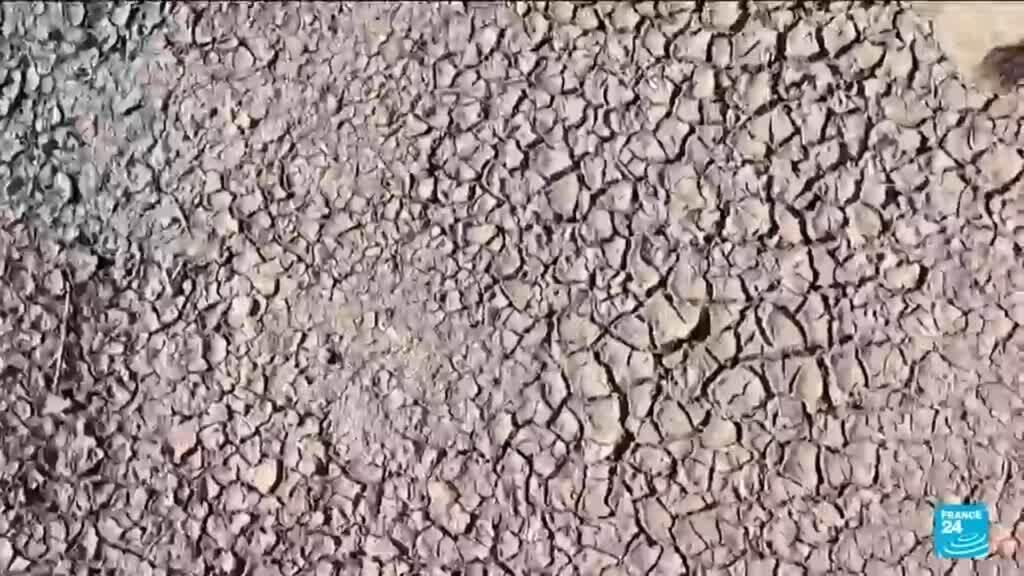
The world's rivers experienced one of their driest years in more than three decades in 2025, while glaciers continued to retreat and freshwater reserves kept declining, according to the World Meteorological Organization. The agency warns that climate change and growing water use are making the global water cycle more erratic, increasing the risk of both droughts and floods.
Scientists have determined that climate change played a significant role in the recent catastrophic landslide in Nepal's northern region. An analysis by World Weather Attribution experts and glaciologists revealed the disaster was not caused by a single weather event, but rather a combination of climatic and geological factors that progressively destabilized the mountain.
Global warming resulting from the burning of fossil fuels has caused the freezing point in the Himalayas to rise by approximately 100 meters per decade. This has exposed previously frozen rock and permafrost to warmer temperatures for extended periods. Simultaneously, significant glacier thinning and retreat have removed the ice that previously helped stabilize the mountain slope.
The two months preceding the disaster were the hottest July and August on record in the area. Heavy snowfall in October and November of the previous year may have also contributed by generating substantial meltwater during the months leading up to the collapse. The scientists emphasized that the mountain itself has been experiencing substantial glacier recession, removing stabilizing ice while increasing the availability of meltwater.
However, the most significant long-term change is occurring within the mountain as centuries-old frozen rock, soil, and sediment are thawing, allowing water to penetrate cracks and weaken slopes previously held together by ice. The report emphasizes that the disaster was a "compound crisis" in which multiple processes acted together rather than one single weather event causing the collapse.
Scientists are particularly concerned that the consequences of warming already experienced in the Himalayas will continue to unfold for decades. Once warming has occurred, it effectively locks in further glacier loss and destabilization of mountain slopes. Limiting further warming through rapid reductions in greenhouse gas emissions and phasing out fossil fuels remains critical to reducing the extent of future destabilization.
Written by urgent.news from RTE News's reporting — not their text. Machine-written — may contain errors; check the original before relying on it.
This story
This is one outlet's version. Read the fullest account.
- Climate change likely to have helped trigger Nepal glacier collapse, scientists say dailymaverick.co.za
- Climate change likely contributed to Nepal-Tibet glacier collapse, scientists say thevibes.com
- Climate change led to Nepal landslide, scientists find rte.ie
- Climate change made deadly Nepal glacier and rock collapse more likely, according to analysis phys.org
- Climate change made deadly Nepal glacier and rock collapse more likely, analysis finds pbs.org
- Climate change was key factor in deadly Nepal-China flood, scientists say euronews.com
- Nepal’s deadly debris flow points to risks in other high mountain regions sciencenews.org
- Climate change made deadly Nepal glacier and rock collapse more likely, according to analysis winnipegfreepress.com