Climate change made deadly Nepal glacier and rock collapse more likely, according to analysis
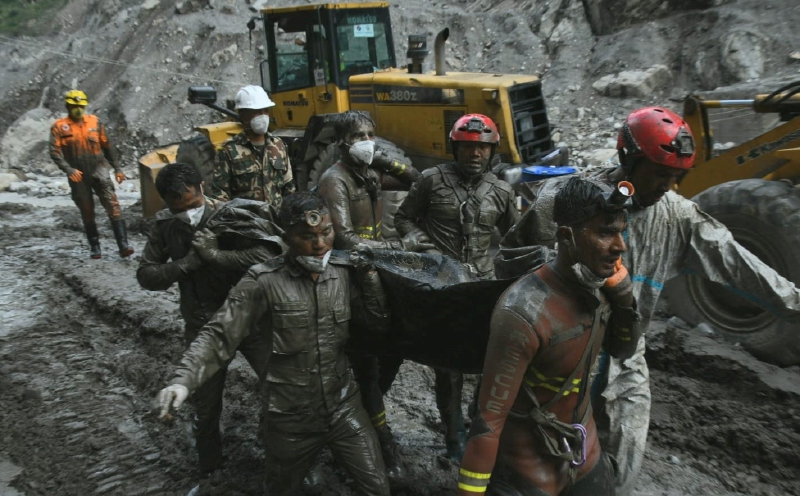
Human-induced global warming contributed to the destabilization of the Himalayan slope that collapsed last month in Nepal, releasing catastrophic flooding across the country, according to a new report. The World Weather Attribution study found that climate change likely helped thin glaciers and thaw mountain permafrost, making the slope more prone to collapse.
The disaster, which killed over 1,300 people and left 5,000 missing, was not caused solely by extreme weather but had "the fingerprints of climate change" according to Ben Clarke, a climate researcher involved in the analysis. Global warming has caused glaciers to retreat and thaw permanently frozen ground, weakening the mountain rock that holds the slopes together.
Jakob Steiner, a geoscientist, noted that the altitude at which ground remains frozen has risen by roughly 100 meters (328 feet) per decade due to climate change. This exposes rock at higher elevations to longer periods above freezing, causing permafrost to thaw and cracks to form within the ice, ultimately weakening the rock face.
Glacier retreat in the region has also played a destabilizing role, with glaciers losing mass at a rate of more than half a meter (1.6 feet) each year. The Langtang Lirung glacier, near the disaster site, has retreated about half a kilometer since the 1990s, exposing previously ice-covered rock.
The weeks before the Aug. 26 collapse were unusually warm, with July and August 2026 being the hottest such months on record in the region. While the report did not determine whether the collapse would have occurred without climate change, researchers concluded that warming intensified several processes that made the slope less stable over decades.
Written by urgent.news from Winnipeg Free Press's reporting — not their text. Machine-written — may contain errors; check the original before relying on it.