Korean forests gain global recognition in biodiversity push
Deep within the dense canopy of Gwangneung Forest, centuries-old trees have long served as a quiet refuge for native flora and fauna. Now, the historic woodland and four national recreational forests across Korea have secured international recognition, not just as scenic escapes, but as crucial players in the global fight to reverse biodiversity loss. The Korea Forest Service and the National…
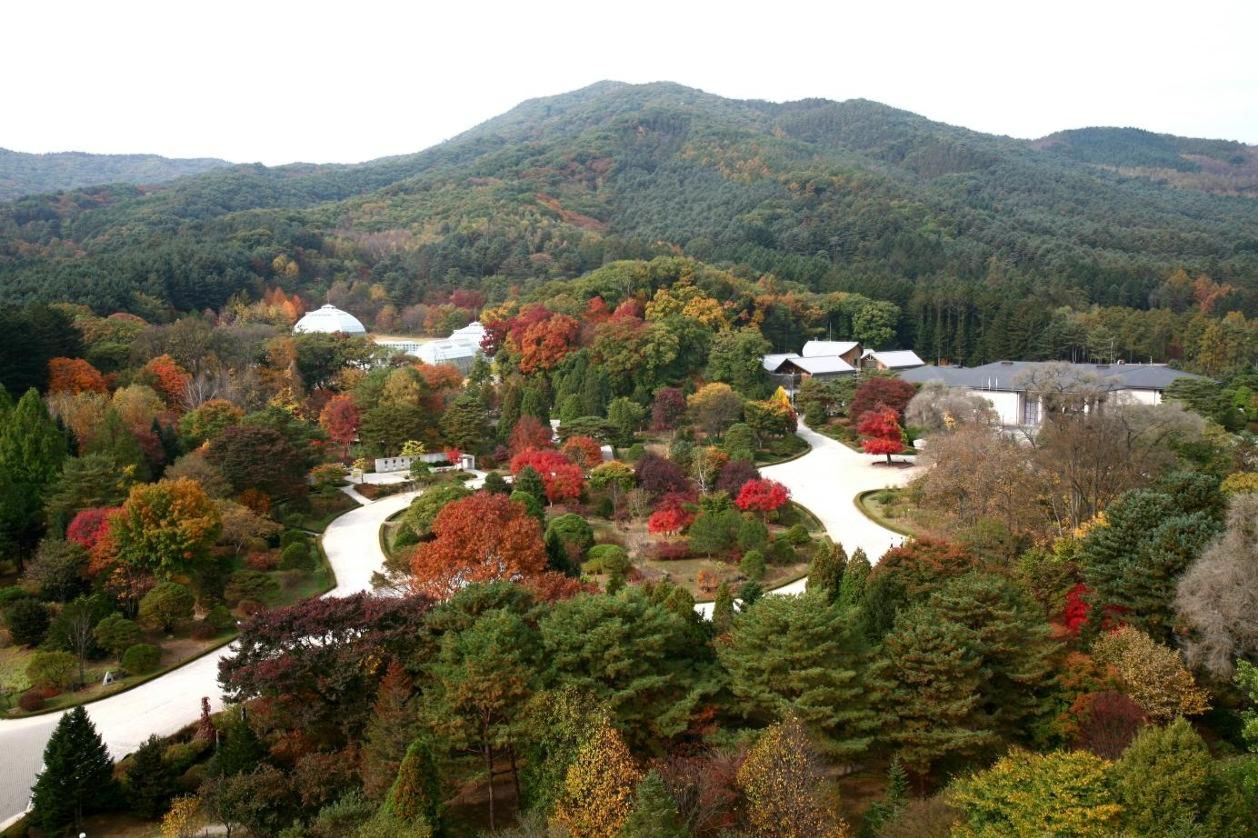
The lush Gwangneung Forest and four national recreational forests in Korea have garnered global attention in the international effort to combat biodiversity loss. Situated northeast of Seoul, Gwangneung Forest and its forested neighbors – Sin Sido, Sinbulsan, Unmunsan, and Hwangjeongsan – have officially been recognized as Other Effective Area-based Conservation Measures, or OECMs.
Unlike typical national parks or legally designated nature reserves, OECMs refer to lands primarily managed for purposes like public recreation or forestry that still contribute significantly to long-term and effective biodiversity protection. Together, these five protected areas comprise a sprawling 5,383.7 hectares, marking the first forest-based OECMs from Korea to receive international acknowledgement.
Written by urgent.news from The Korea Times's reporting — not their text. Machine-written — may contain errors; check the original before relying on it.
This story
This is one outlet's version. Read the fullest account.
- Korean forests gain global recognition in biodiversity push koreatimes.co.kr