Chinese research team may have cracked secret to crossbreeding Asian and African rice
Chinese scientists have identified a genetic barrier that makes it hard to crossbreed African and Asian rice varieties – a discovery that could lay the foundations for creating high-yielding hybrids. While both Asian and African cultivated rice varieties have distinct strengths, crossing them often produces offspring with sterile pollen and low yields. A research team has now identified three…
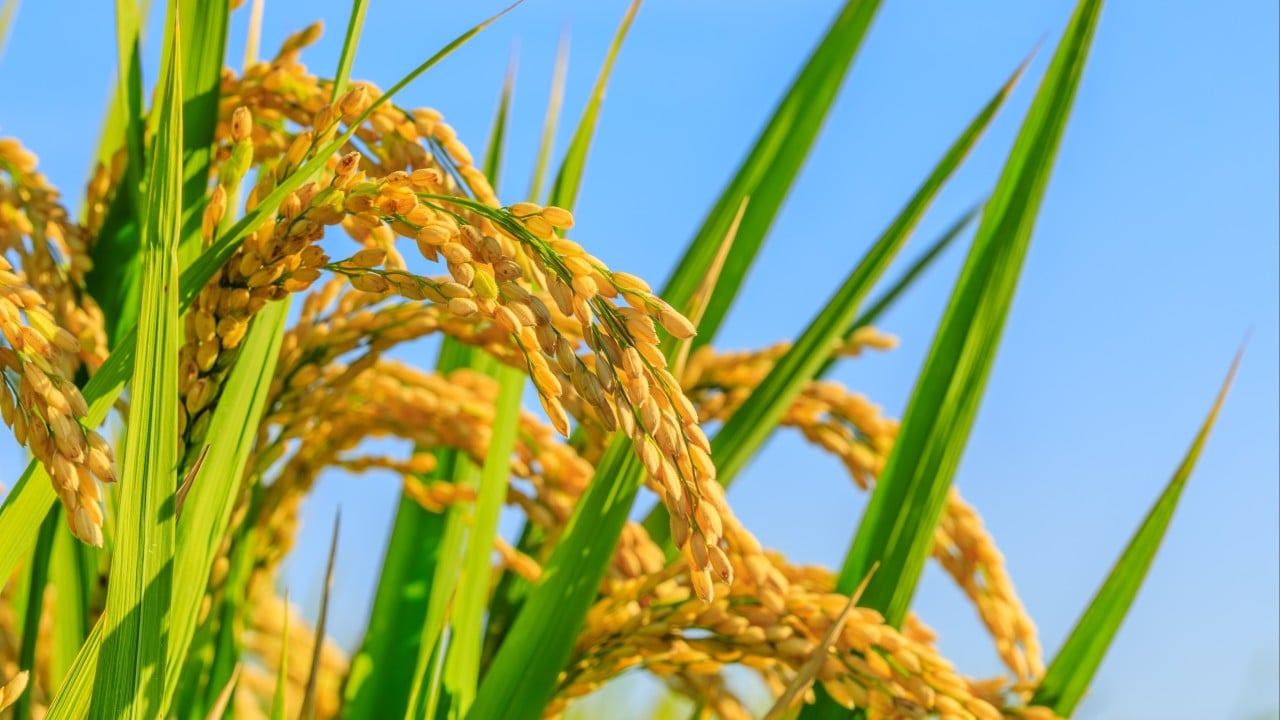
Chinese researchers have uncovered a genetic barrier preventing the crossbreeding of African and Asian rice varieties, a discovery that could lead to the development of highly productive hybrid rice. While Asian and African rice cultivars possess unique strengths, interbreeding typically produces sterile pollen and low yields. A team led by Wan Jianmin at Nanjing Agricultural University's State Key Laboratory for Crop Genetics and Germplasm Enhancement and Utilisation has identified three genes responsible for this reproductive barrier.
These genes, dubbed mao, dun, and jia, work together to abort half of the first-generation pollen grains when the two rice species are crossed. A fourth gene, named armour, is present in Asian rice but absent in African rice. When the pollen grains inherit only the armour gene, they fail to develop and die. The protein encoded by the spear gene (ORF10) is responsible for damaging the mitochondria, killing the pollen, while the protein from the shield gene (ORF16) binds to the spear, negating its toxicity.
The armour gene (ORF4) then sends the neutralized spear to a cellular recycling center. Researchers discovered that a specific germplasm, compatible with both rice varieties, effectively neutralizes the spear's activities and partially resolves the fertility issue when crossed with both Asian and African rice. While this study provides a theoretical foundation for creating new hybrid rice varieties, the team acknowledges that further research is required to develop suitable agricultural materials and address concerns such as grain quality and pest resistance.
Written by urgent.news from South China Morning Post's reporting — not their text. Machine-written — may contain errors; check the original before relying on it.
This story
This is one outlet's version. Read the fullest account.