After Nepal’s catastrophic flood, scientists watch for what comes next
The massive rock-and-ice collapse has left behind unstable terrain and metres of debris that could trigger further floods and landslides, experts say.
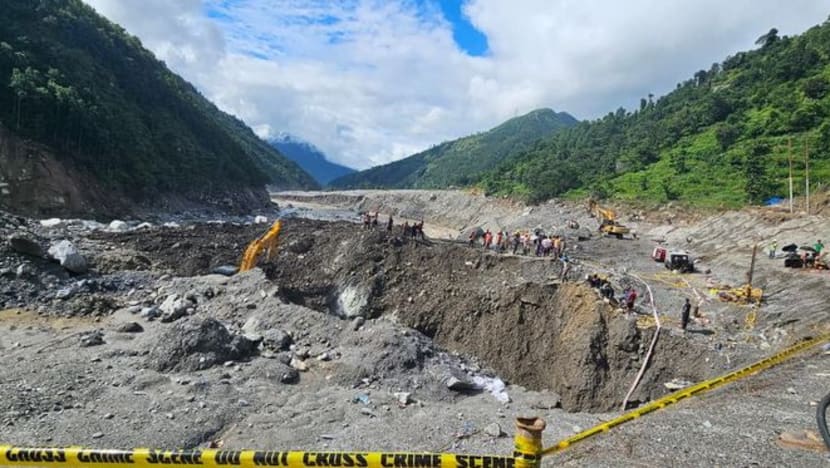
A massive rock and ice collapse in the Nepal-Tibet border region unleashed a devastating flood, leaving behind unstable terrain and meters of debris. Scientists are now closely monitoring the area for signs of further hazards, as the initial disaster has weakened the landscape and created conditions for additional landslides and floods.
Maximillian Van Wyk de Vries, an assistant professor at the University of Cambridge, described the event as a "multi-hazard cascade," where one hazard triggered another. The collapsed area is now covered in several meters of mud and rock, which could become a new source of flooding if heavy rains fall. Satellite imagery is being used to track changes in the terrain, but ground-based data is also being incorporated to detect landslides that may not be visible from space.
While some early signs of instability have been detected, other landslides may occur without warning. Predicting the occurrence of future disasters is only part of the challenge, as factors such as exposure and vulnerability also play a crucial role. Reducing the impact of future disasters will require authorities to consider not only the hazards themselves but also the location of people and infrastructure and the resilience of communities.
Climate change is adding to the complexity of the situation, as temperatures in the Himalayas have risen by over 1°C in the past 50 years, which can lead to increased glacial retreat and more frequent extreme events. However, determining the exact contribution of climate change to specific events remains challenging.
Written by urgent.news from Channel News Asia's reporting — not their text. Machine-written — may contain errors; check the original before relying on it.
This story
This is one outlet's version. Read the fullest account.