Discovering how butterflies choose their mate
Heliconius butterflies offer a window into the neural circuits and genes involved in mate color preference.
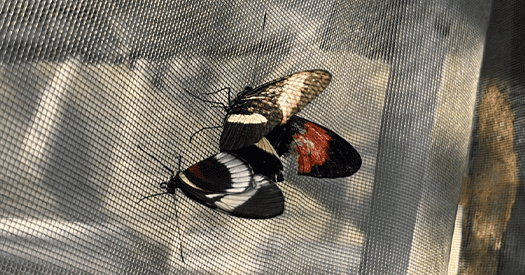
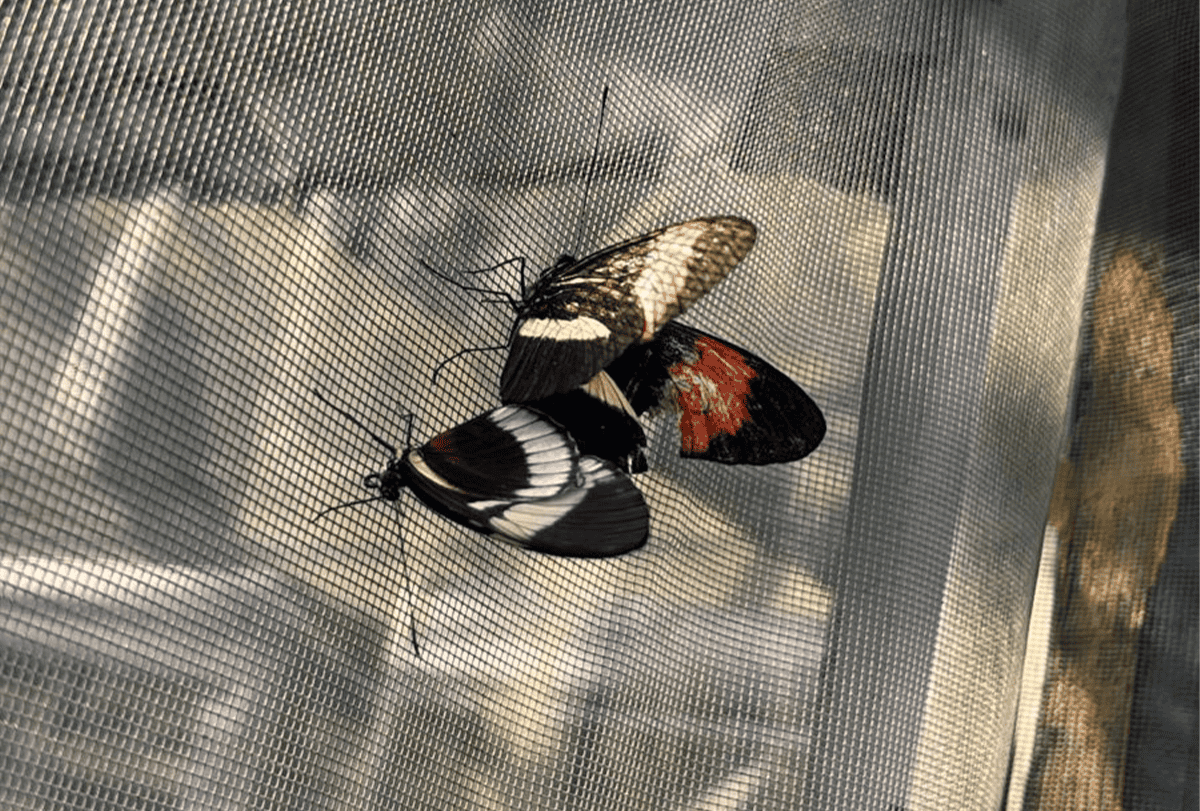
Scientists are studying the complex process by which Heliconius butterflies choose their mates, revealing insights into the neural circuits and genes involved. These butterflies are known to prefer mates that resemble themselves, regardless of whether they belong to the same species or closely related ones, each exhibiting distinct patterns, ecologies, and behaviors.
José Borrero, a graduate student at Ludwig Maximilian University in Munich, explains that the research aims to understand how behaviors are encoded in the brain and how this contributes to species diversification. Colombia, with its high density of Heliconius species on either side of the Andes Mountains, provides an ideal setting for this study.
A single genetic locus is responsible for about 30% of the difference in mate preference between two species, demonstrating a significant impact on behavior despite the complexity of mate choice. The genes responsible for mate preference are located near those controlling wing patterns, often traveling together and helping populations remain distinct even when interbreeding occurs.
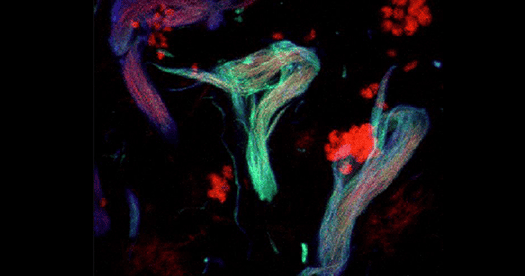
These genes can also cross species boundaries through hybridization, transferring behavioral preferences and color patterns across lineages. The researchers are now focusing on how these genetic differences manifest in the brain. Unlike other insects whose brains stop developing after emergence, Heliconius brains continue to grow after the butterflies hatch.
This ongoing development is evident in the optic lobes, which handle visual processing and keep expanding throughout the butterfly's life. Populations living in darker, more complex forest interiors exhibit larger optic lobes and better visual acuity, relying more on vision than smell when foraging. The study found that male butterflies only start searching for mates once their brains and visual abilities have matured.
Field research is conducted at a station near Bogotá, where butterflies are kept in large outdoor cages set near the cloud forest they inhabit. These cages are positioned to replicate the natural environment regarding light conditions, temperature, and vegetation. Testing butterflies under standard lab lighting, devoid of the ultraviolet wavelengths they perceive in nature, results in poor performance, emphasizing the importance of mimicking their natural environment for accurate behavioral studies.
Written by urgent.news from The Transmitter's reporting — not their text. Machine-written — may contain errors; check the original before relying on it.
This story
This is one outlet's version. Read the fullest account.
- Discovering how butterflies choose their mate thetransmitter.org