La biodiversidad de Latinoamérica impulsa avances en comportamiento social y cognición
Horneros, peces eléctricos, ranitas y otra fauna regional ayudan a los neurocientíficos a plantear nuevas preguntas de investigación en el campo.

Latin America boasts one of the planet's richest biological regions, a vast and varied mosaic of ecosystems. Scientists leverage this biodiversity to study the brain, using species found nowhere else, often working directly in the field rather than in a laboratory. While neuroethology isn't new to the region, it has grown in the past decade as independent researchers develop novel animal models.
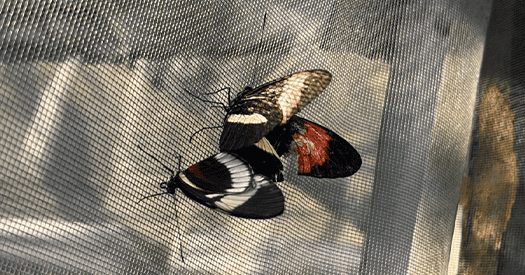
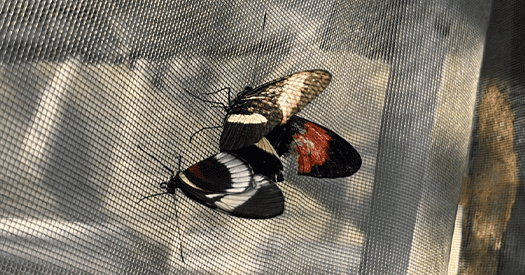
Rats, butterflies, and singing birds from Uruguay, Colombia, and Argentina are contributing to a deeper understanding of communication, mate selection, and social behavior in their natural habitats. Other studies have identified genes behind aggressive behavior in electric fish and explained the neural circuits that govern predation and escape in crabs.
"Latin America has a gigantic field experimental station that we might not be exploiting as much as we could," says Paula Pouso, an adjunct professor of histology and embryology at the University of the Republic in Montevideo. "Every time we go out into the field, we bring new questions because observing behavior, what happens, opens up many questions."
The region's abundance of species makes them accessible for study, often in abundance and at low cost, which is crucial in countries where research funding is scarce and unpredictable. Researchers from the Southern Cone, in particular, say that local ecology enables them to form a scientific community close to home.
Written by urgent.news from The Transmitter's reporting — not their text. Machine-written — may contain errors; check the original before relying on it.
This story
This is one outlet's version. Read the fullest account.