Discovering how butterflies choose their mate
Heliconius butterflies offer a window into the neural circuits and genes involved in mate color preference.
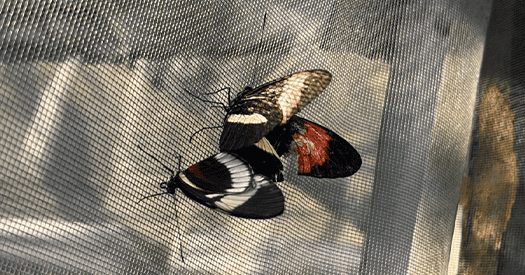
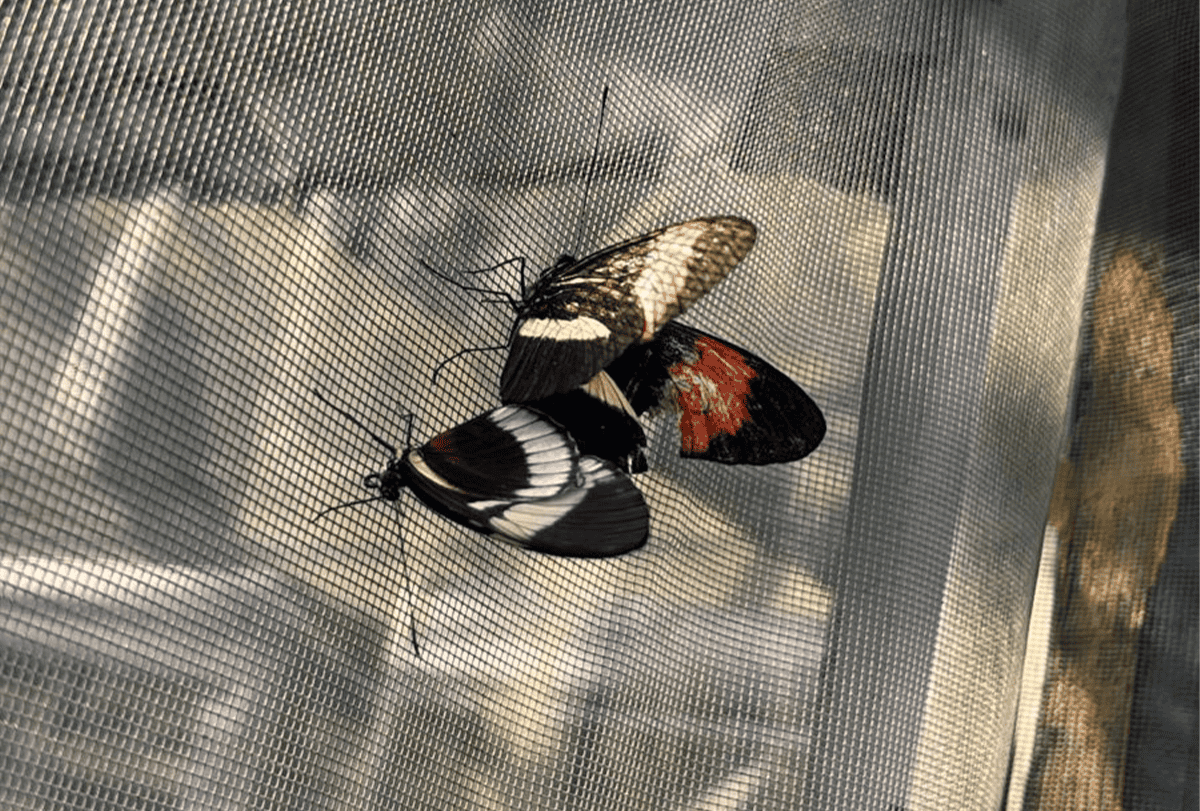
This article, part of a report on neuroscience in Latin America, delves into the neural circuits and genes that govern mate color preference in Heliconius butterflies. These butterflies exhibit a preference for mates that resemble themselves, even if they belong to closely related species, which have distinct patterns, ecologies, and behaviors.
José Borrero, a graduate student working under Richard Merrill at Ludwig Maximilian University in Munich, along with Carolina Pardo-Díaz and Camilo Salazar, are conducting research on these butterflies, focusing on how behaviors are encoded in the brain and how this contributes to species diversification.
Colombia, home to a high density of Heliconius species with distinct populations on either side of the Andes Mountains, serves as an ideal location for studying how differences in habitat influence the butterflies' brains, behavior, and genetics. A single genetic locus accounts for approximately 30 percent of the difference in mate preference between two species, a significant effect for such a complex behavior, according to Merrill, an evolutionary biology professor at the university.
These genes related to mate preference are physically close in the genome to those controlling wing patterns, often traveling together and helping maintain population distinctions even when populations interbreed. Hybridization can also lead these genes to cross species boundaries, carrying behavioral preferences and color patterns across lineages.
The lab aims to understand how these genetic differences translate into brain differences. Unlike at emergence, mature butterflies have brains that continue to develop, and they see significantly better than newly emerged butterflies. The optic lobes, responsible for processing visual information, continue to grow throughout the butterfly's life, as shown in a recent preprint.
Species that inhabit darker, more complex forest interiors exhibit larger optic lobes and better visual acuity, relying more on vision than smell during foraging. Importantly, males do not commence their search for mates until their brains and visual abilities have matured, as revealed by the study. Fieldwork for this research takes place at a research station near Bogotá, where butterflies are housed in large outdoor cages adjacent to the cloud forest where the species naturally thrive.
The cages are positioned close enough to ensure the animals experience the same light conditions, temperature, and vegetation as in their natural environment. This setup is crucial for the experiments: butterflies tested under artificial white lab light, devoid of the ultraviolet wavelengths they perceive in their environment, perform poorly.
Borrero emphasizes that to truly understand the butterflies' behavior, it is essential to conduct tests in their natural habitat.
Written by urgent.news from The Transmitter's reporting — not their text. Machine-written — may contain errors; check the original before relying on it.
Also reported by 1 other outlet
- Discovering how butterflies choose their mate thetransmitter.org