Allergies unseen: when everyday triggers become medical emergencies
‘Allergy’ is an umbrella term covering a range of immune-system responses. Symptoms can vary from mild skin rashes and itching to breathing difficulties and life-threatening anaphylactic shock. Better awareness and more research are the need of the hour, experts say
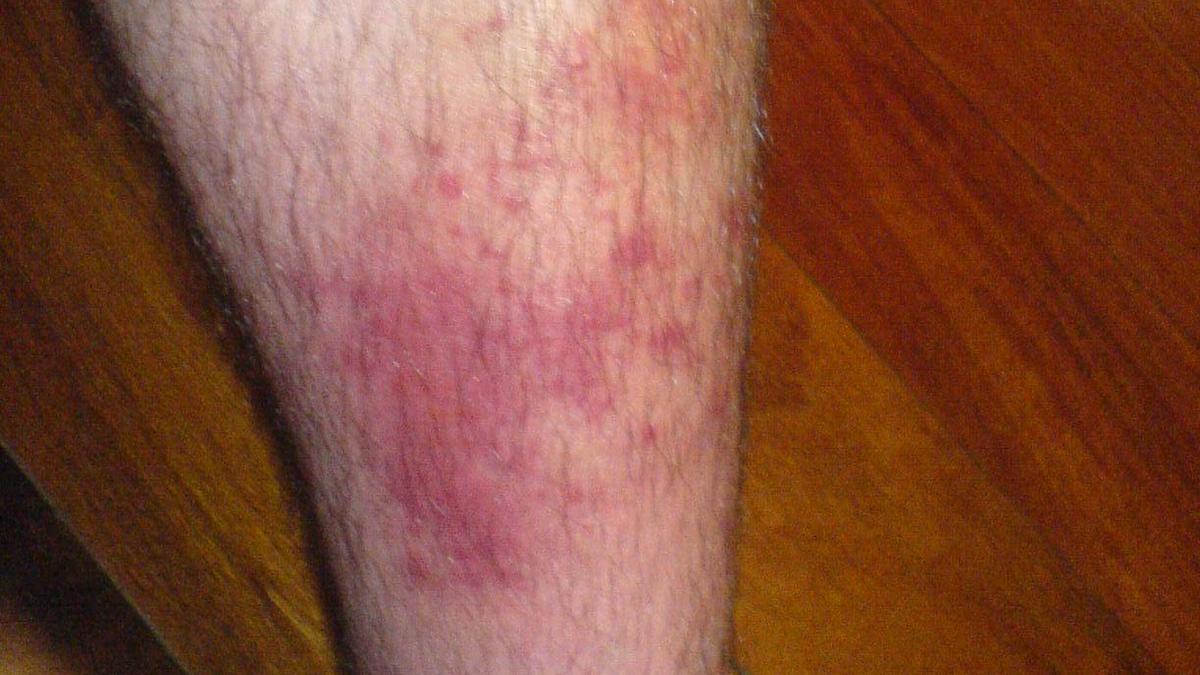
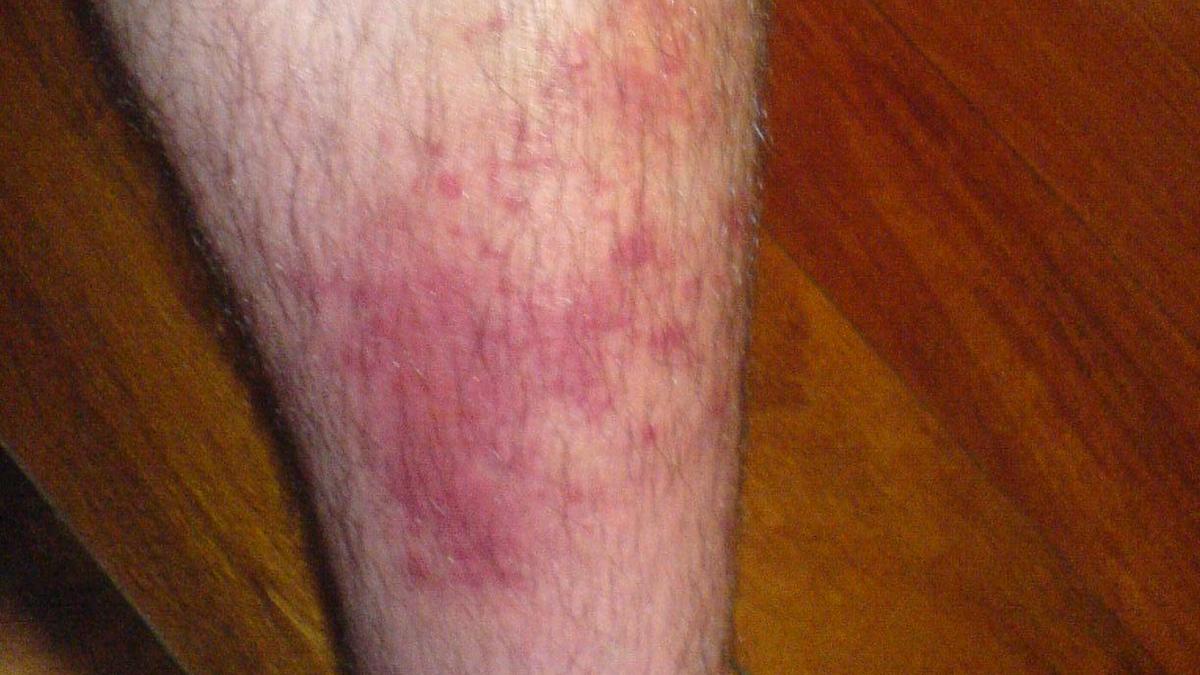
Allergies are a major concern for millions of Indians, affecting people in various ways beyond the typical seasonal irritations. For some, routine triggers like ant bites, medicines, dust, and pollen can lead to life-threatening emergencies. Three residents of Chennai experienced this unpredictability firsthand. R. Neelakandan underwent open-heart surgery in 2017 and developed persistent rashes after a prescribed medicine.
After two years of treatment, he underwent a change in medication and found relief, drastically reducing his treatment costs.
H. Deepalakshmi, a schoolteacher, was bitten by an ant and her blood pressure dropped, leading to her being rushed to the hospital. She now carries her doctor's prescription to prevent similar incidents. Rohini Karupiah, a college professor, has battled wheezing since childhood, a condition that runs in her family. Her bronchial allergy has required oxygen support at home, and specialists say these allergies are largely due to genetic factors.
Allergic disorders, which include a range of immune-system responses, can manifest as skin rashes, breathing difficulties, and even life-threatening anaphylactic shock. Allergies can affect any part of the body and are often mediated by Immunoglobulin E (IgE) antibodies. Treatment typically focuses on counteracting the effects of histamines, which cause swelling, warmth, and itching. Diagnosis often involves eosinophil counts, nasal smear and sputum eosinophil tests, ELISA tests, Phadiatop tests, and skin tests.
Experts note that while allergies are increasingly prevalent in India, the country still largely relies on treatment protocols originally developed for Western populations. A study in Chennai found that nearly one in six people in Tamil Nadu might suffer from allergic rhinitis. Factors such as increasing urbanization, environmental pollution, and changing lifestyles are contributing to the rise in allergic disorders.
Written by urgent.news from The Hindu Health's reporting — not their text. Machine-written — may contain errors; check the original before relying on it.
This story
This is one outlet's version. Read the fullest account.