All you need to know about: cellulitis
Cellulitis is a common skin infection caused mostly by streptococcus and staphylococcus bacteria. Anyone can contract cellulitis, but persons with skin wounds, or compromised immune systems, which allows the bacteria to enter easily, are at higher risk.
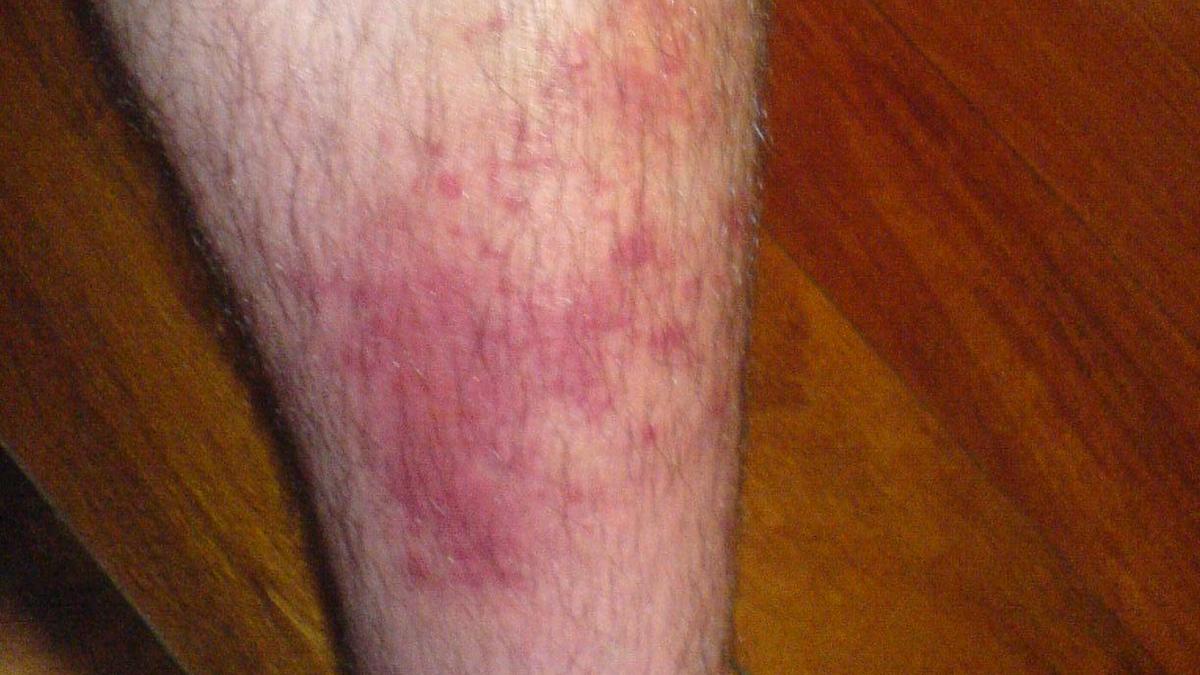
Cellulitis is a widespread bacterial skin infection that typically affects the legs, feet, and toes, but can also occur on the face, arms, hands, and fingers. It is caused by bacteria entering the body through broken skin or weakened immune systems, leading to subcutaneous tissue inflammation. If left untreated, cellulitis can spread to lymph nodes and bloodstream, potentially requiring hospitalization.
The infection is characterized by red, warm, swollen, and tender skin, along with fever, fatigue, chills, and skin blisters.
Streptococcus and staphylococcus bacteria are the primary culprits behind cellulitis, which can affect anyone, but those with skin wounds or compromised immune systems are at higher risk. Poor hygiene may also contribute to the infection's development. While cellulitis is not contagious, it can still spread if left untreated or becomes severe.
Treatment usually involves oral antibiotics, while severe cases may require hospitalization and intravenous antibiotics. Preventative measures include maintaining good skin hygiene, such as regular hand washing, cleaning and trimming nails, drying skin thoroughly, wearing clean clothes, and treating small wounds promptly. Observational studies have shown that cellulitis predominantly affects men in their working age, with 50% of cases resulting from trauma, diabetes, or smoking. Complications can include abscesses, necessitating surgical intervention for some patients.
According to a 2023 clinical study, swelling typically diminishes by half within ten days of antibiotic treatment, while the affected area shrinks to half its original size and inflammation subsides. However, some patients may experience lingering discomfort even after completing the antibiotic course. Home treatments like warm compresses, leg elevation, compression socks, and walking can alleviate symptoms.
Consulting a doctor for proper diagnosis and completing the prescribed treatment is crucial to prevent progression and complications.
Written by urgent.news from The Hindu Health's reporting — not their text. Machine-written — may contain errors; check the original before relying on it.
This story
This is one outlet's version. Read the fullest account.
- All you need to know about: cellulitis thehindu.com