Allergies unseen: when everyday triggers become medical emergencies
‘Allergy’ is an umbrella term covering a range of immune-system responses. Symptoms can vary from mild skin rashes and itching to breathing difficulties and life-threatening anaphylactic shock. Better awareness and more research are the need of the hour, experts say
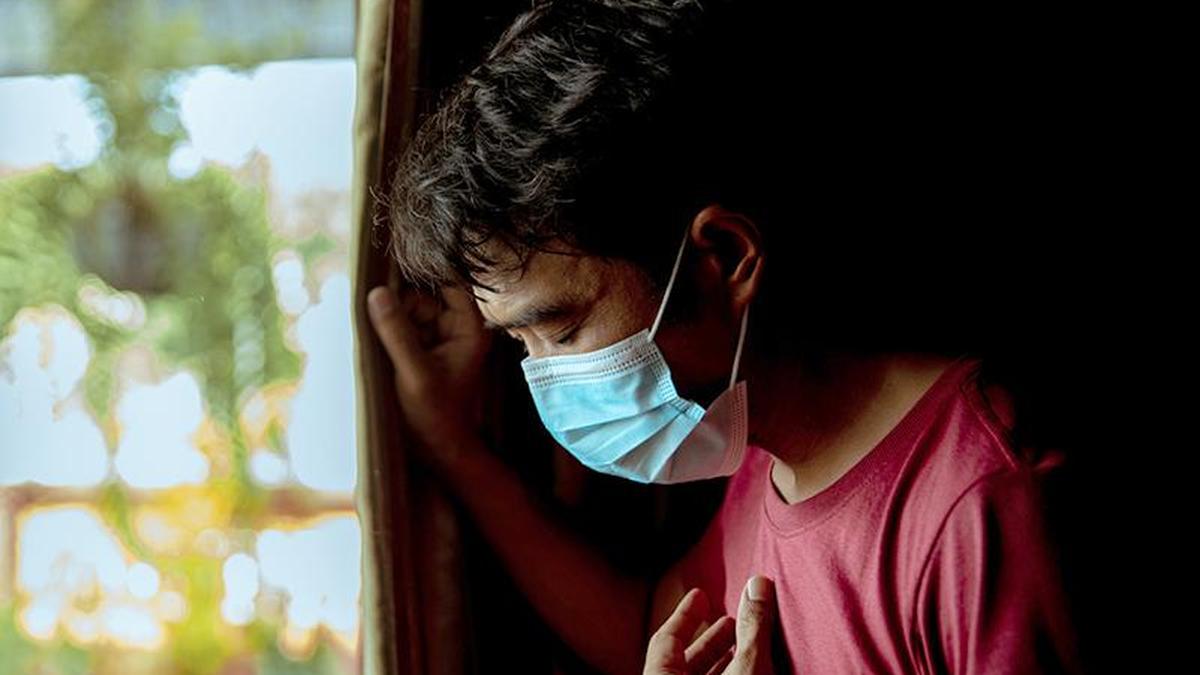
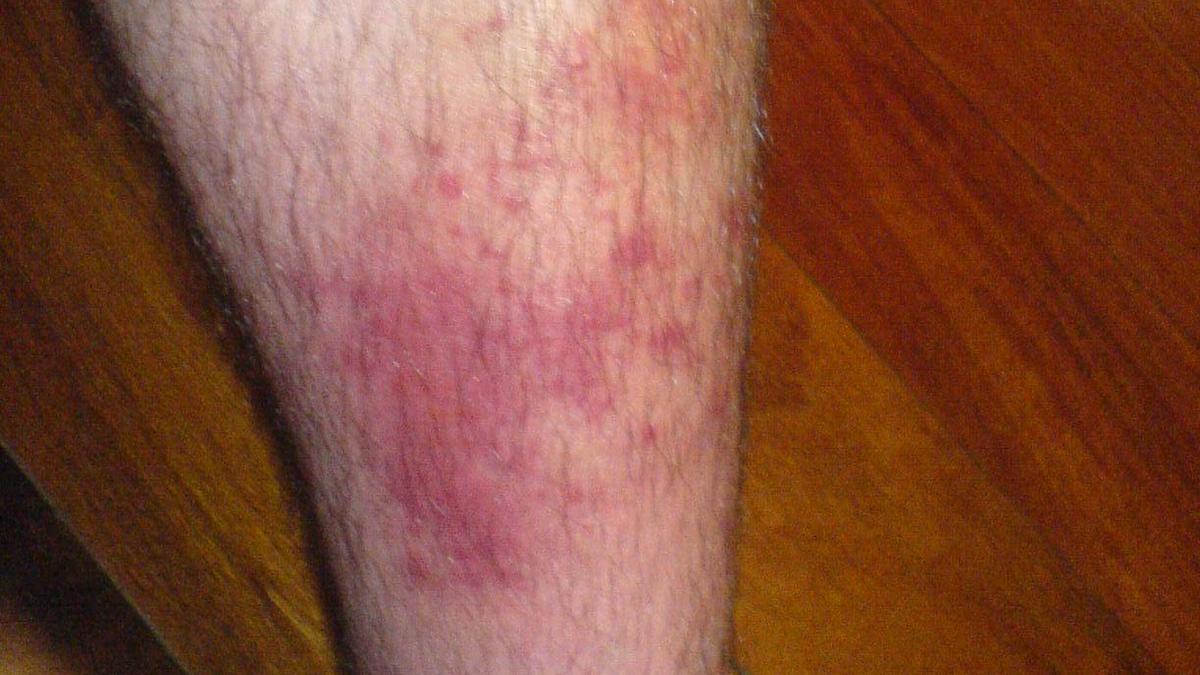
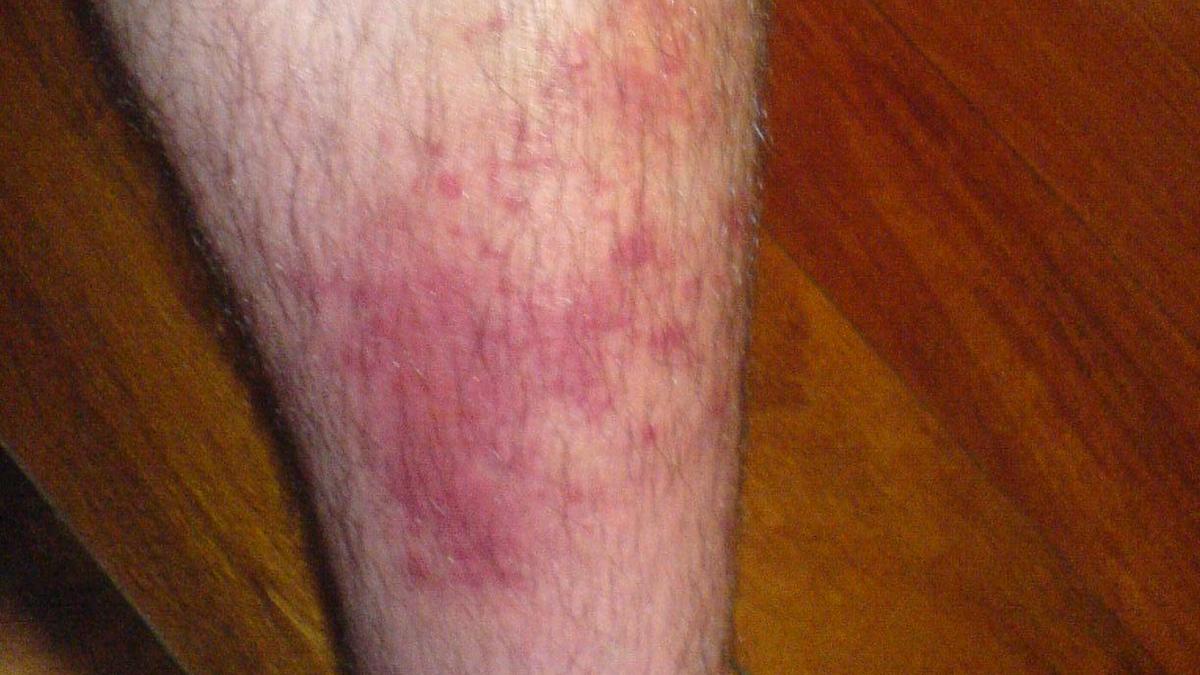
Allergies, often dismissed as minor inconveniences, can unexpectedly spiral into severe, life-threatening situations for millions of Indians. The story of three residents from Chennai serves as a stark reminder of this unpredictable nature. R. Neelakandan, suffering from persistent rashes after taking a prescribed medicine, underwent open-heart surgery in 2017.
Despite two years of treatment, his condition remained unchanged until a kind autorickshaw driver guided him to a doctor who identified his allergy to a drug, thus drastically reducing his monthly treatment costs.
H. Deepalakshmi, a schoolteacher, experienced a near-fatal episode when what began as a simple ant bite led to a dramatic drop in her blood pressure, dizzy spells, and semi-consciousness. Post this incident, she began carrying her doctor's prescription to avert future emergencies, only to encounter the same issue again nine years later. Her doctor explained that ant bites can induce severe allergic reactions in sensitive individuals.
Rohini Karupiah, a college professor with a family history of wheezing, has managed her bronchial allergy since childhood. Her attacks, requiring oxygen support at home, ran in the family. While her triggers varied, specialists noted that allergies can manifest in many forms, from skin rashes and itching to severe breathing difficulties and potentially life-threatening anaphylactic shock.
Allergy specialist R. Sridharan outlined the broad spectrum of allergic disorders, explaining that reactions can be triggered by an array of substances, including insect bites, medications, and environmental elements like pollen and mold. These reactions are often mediated by Immunoglobulin E (IgE) antibodies, leading to histamine release that causes dilation of blood vessels, increased tissue permeability, and symptoms ranging from swelling and warmth to shock.
Diagnostic tools include nasal smear and sputum eosinophil tests, ELISA tests for specific IgE antibodies, Phadiatop tests for inhalant allergies, and skin tests to identify specific triggers.
Despite the growing prevalence of allergic disorders in India, the country largely relies on treatment protocols adapted from Western populations, often lacking robust local studies. Experts argue for more research tailored to India's unique environmental and lifestyle factors, crucial for improving early diagnosis and management.
Written by urgent.news from The Hindu - Sci-Tech's reporting — not their text. Machine-written — may contain errors; check the original before relying on it.